
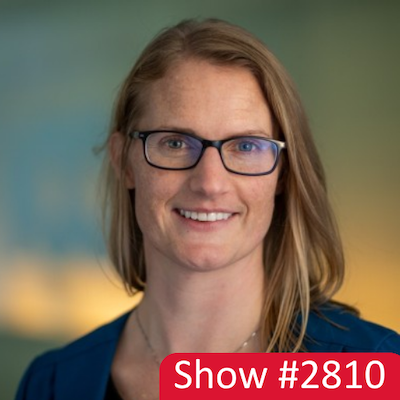
17 Jun June 18, 2026 – Protect Now Cyber Security Robert Siciliano, Extra Hands! VA Rachael Davila and Gun Awareness Dr. Cassandra Crifasi
Intro 1 0:04
Broadcasting from AM and FM stations around the country. Welcome to the Small Business Administration Award-winning School for Startups Radio, where we talk all things small business and entrepreneurship. Now here is your host, the guy that believes anyone can be a successful entrepreneur, because entrepreneurship is not about creativity, risk, or passion. Jim Beach.
Jim Beach 0:26
Welcome to School for Startups Radio. We have a big show, three fantastic guests today. First up, we’re going to introduce Robert Siciliano. I love speaking Italian, or trying to. He is a cyber crime expert. We’re going to talk about all sorts of different types of crimes, physical, fiscal, all of it. It’s fascinating, and Robert is amazing. Then Rachel Davila will be with us, talking about the importance of virtual assistance. I cannot stress how important it is that you get a VA to do your busy work for you. It’s made me five times more efficient. I love my virtual assistant, and if you don’t have one, you need to go get yourself one. And then Cassandra Crifasi will be with us, talking about Gun Safety Month. It is Gun Safety Month, and we don’t know what the rules are. I certainly don’t have any idea, and so Cassandra will help us understand what we should do to keep safe and to keep our kids safe. I think every kid in America found their daddy’s gun when they were eight or nine or 10. I know my brother found my dad’s, and that’s just not right. We need to think, take better care of that. So we will talk about that later. Anyway, big show. Let’s get started. Here we go. Yes, you know, every time I turn on my computer, I just cross my fingers and hope that the damn thing works, and that I’m not hacked or something. All of these threats really do play on us, and I think we need to develop strategies to get past that. I’m excited to welcome someone that can help us. Please welcome Robert Siciliano to the show. He is a cybersecurity expert, a private investigator, best-selling author, and co-founder of Protect Now, it is a security awareness and human risk management company. He has been quoted and featured on CNN, Fox, MSNBC, The Today Show, and hundreds of TV and radio programs. He is the founder and creator of the strategic human firewall. I can’t wait to learn about that, and has also published three or four books that I found on Amazon on the issue, also on how to stay safe, safe on the streets, and things like that. He is also a certified speaking professional and speaks all over the country on cyber issues. Robert, welcome to the show. How you doing today?
Robert Siciliano 2:43
I’m doing very good, and very happy to be here. Thank you so much for the opportunity. It is
Jim Beach 2:47
our pleasure. Are we getting any better in this space, or is it just getting worse and worse?
Robert Siciliano 2:54
It’s getting worse and worse, you know. I am an eternal optimist, so I know it can be better. The issue, of course, is that you know the current security awareness training that’s being provided to employees is like what we call phishing simulation training. It’s like they get a fish from their company, like they try to trick them, and they react and respond. Sometimes they get it right, sometimes they don’t. And then, if they don’t get it right, they kind of get yelled at. And then, when it’s all said and done, they don’t really learn anything. And the issue here is the fact that, you know, crime, organized crime, has taken advantage of cyber fraud, right? And as we speak, there’s like 300 billion with a B of our records out there in the dark web, and organized crime has access to all that information, and organized crime is spending, you know, all day, every day targeting you and I. Okay, and what that means is like the cyber fraud is already eclipsed the illicit drug trade? It’s making them more money than any other basically business that organized crime has ever been in, and there really is no end in sight, because consumers, you and I, we kind of like cross our fingers and hope and wish that bad things aren’t going to happen to us, and that’s just not enough in order to protect yourself,
Jim Beach 4:25
right. I love the idea of crossing your fingers and just hoping. I can’t believe that it’s bigger than drugs now, but you know, I’ll tell you this, Robert, I’ve started dating again after 20 or 30 years, and on the apps, and just meeting people online and stuff. I think three fourths of the people that I’ve met are scammers of some kind, and I’ve started to, you know, learn the scams that I play along to see until they ask me, “Hey, would you want to invest in my cyber thing? You know, and I have some that I haven’t figured out the scam yet, um. But even you know every part of life it seems like it’s been ruined by these damn scammers,
Robert Siciliano 5:05
yeah, you know, the romance scams are huge, like what they do is kind of amazing, actually, they tap into our, you know, biological need for belonging, you know, understand that human beings fundamentally are, you know, an interdependent species, and what interdependent means is we depend on each other for our survival. Man needs woman, woman needs man, truly for the species to survive to procreate. That’s how that works. And so, loneliness, right? 20-5% of all human beings wake up every day lonely. That’s just it’s always been like that. It will always be like that. And loneliness, they call it the pain and the ache of loneliness, is designed so that you and I will find somebody else to be with, so that we can procreate. That’s the whole point of it. They say that the pain in the ache of loneliness is no different than hunger pains, you know, like when you’re really, really hungry, you will do almost anything to find food and eat it. This is how that works. It motivates you to find food. It’s the same thing with thirst. Thirst is designed to make you want to drink fluids, right? Well, loneliness, same exact thing, so the species can survive, and criminals fully understand that need, that want, that drive, that motivation, and they take full advantage of it, and now they use artificial intelligence, deep fakes, voice cloning to target us biologically and emotionally and organized crime fully, fully understands this, and so every phone call, every text message, every email that we get from these scammers has been thought well thought out, been systematically put together, so that when we receive it, it targets our biology, our emotions, they know exactly what to say, how to say it to get us to engage, and we need to be very strategic and how we react and respond to phone calls and emails and text messages from this point going forward, or we’re going to end up being victimized.
Jim Beach 7:22
What about our physical security these days? I know that you work on that as well. What do we do when our office may have some sort of threat?
Robert Siciliano 7:32
You know, like I look at all security as being personal security, right? So, whether it’s protecting your own identity or protecting your actual, you know, home or the people in it, or protecting, you know, your workplace, and again, the people in it. It boils down to, like, effectively recognizing risk, knowing that, like, there is a percentage of the population out there that essentially they wake up every every day with ill intent. Okay, so I’ve come to the conclusion over doing what I do now for 30 plus years that 97% of all the people that you and I will ever meet are worthy of our trust, that they’re good, that they have good intentions, that they don’t mean to do any harm, 97% but about 3% of all of humanity, and some say, you know, 3% of women and up to 6% of men, the medical communities would call them sociopaths or psychopaths. Essentially, these are the hardcore narcissists that live amongst us, that truly have no shame. They don’t experience empathy, sympathy, guilt, remorse, and they look at you and I as their natural prey. So, whether it’s online or at work or at home, we need to be aware of that 3% and know what our options are, you know, know that, okay, if they do target us, whether it’s, you know, via the phone or in person, this is what I need to do, so when it comes to your identity, you do things like get a credit freeze, invest in identity theft protection. When it comes to your physical home, you install a home security system. You lock your doors, like these are basic things that we should be doing, but people go, “Oh, it’s not going to happen to me, I’m not going to bother with that stuff, I don’t want to be paranoid, they say, as if locking your doors is going to make you mentally ill, or like when it comes to workplace violence, you know, somebody coming in and being violent, you know, using a firearm and such, knowing what your options are, you know, having systems in place ahead of time to recognize employees that are at risk, doing things ahead of time to when it comes to engaging the public, somebody who has bad intentions, knowing what your proper response should be. So it’s engaging in basic security practices, so you understand and recognizing risk, because it’s not any different, really, than putting a seat belt on. You put a seat belt on, because it’s a smart thing to do. Clicking that seat belt gives you control over the vehicle, gives you control over the steering wheel, over the gas, over the brakes. Should something swerve in front of you, run out in front of you, and you’ve got to swerve your own car to get out of the way. Well, that seat belt keeps you tight in the driver’s seat, giving you control, that’s all security is. That all that’s what you know, a credit freeze is, or identity theft protection, or locking your doors, or home security system, or proper training for workplace violence. These are the smart practices that we should be engaging in that too many of us don’t.
Jim Beach 10:37
Yes, what do we do if there is a shooter around us.
Robert Siciliano 10:43
Well, you know, there’s.. there’s.. you do have options, certainly. You know, running really, as odd as that sounds, is always your best bet. And then anybody who’s ever been hunting, like hunting for game, deer, elk, moose, whatever, rabbit, for that matter, you know that the animal understands humans as being predators, and the moment that they contact us or come in contact with us, they run, because humans are in fact, by our nature, predatory. I mean, humans kill. It’s always been like that. It’ll always be like that. Not every human that comes out of their mama, you know, by default is predatory, but you know many of us are, and from there you know, recognizing that predators exist, and this is what we need to do. So, running is always the best thing. Animals know that getting as far as you can away from that bullet as possible is always the best thing. Studies show that, you know, when it comes to a human being on the other end of the, of the barrel of a gun that you essentially, you know, for every 12 feet that you run, separating yourself from the end of the barrel, so 1224, 36 you exponentially increase the chances of survival. So, running is always a really good thing. Barricading yourself in certain circumstances, like in schools and such has been proven to be effective in many circumstances. There are many technologies that are available. There are many trainings that are available that show how to shelter in place and how to, you know, lock down in to prevent further harm. So we always have options, whether it’s in schools or in the workplace. It’s understanding the motivation of the criminal and knowing what your effective reaction and response could and should be. Do
Jim Beach 12:29
you believe in police in the schools, at our office buildings, in the mall? Should we get wanded before we go into the mall?
Robert Siciliano 12:38
Can you repeat that again?
Jim Beach 12:39
What do you think about the actual physical police, are you know, having good guns in these situations. Do you like police at school and at the mall? Do you want me to get wanded before I go in the mall?
Robert Siciliano 12:52
So, good guys with guns, right? Yeah, there are many opinions on that. I, in the end, I believe that it’s necessary that we have effective law enforcement, effective trainings, whether it’s teachers or otherwise, people who have an understanding in recognition of risk that are properly trained to use firearms. Tactical training under duress has been proven over hundreds of years, literally to be effective in stopping a bad actor. I certainly, you know, want my local law enforcement to train effectively. I personally, as a dad, train effectively. I have a training coming up this weekend where I’ll spend six hours in tactical training using a firearm. Whether a teacher wants to engage in that type of training, that ultimately begins as a personal decision, and then if they choose that training, they can be very effective when they’re properly trained, it’s all about it’s not about the gun, it’s about the human and how they are properly trained. And once trained, it can be a very effective deterrent and stopping a threat.
Jim Beach 14:16
Let’s go back in time, Robert, and talk a little bit about entrepreneurship. How did you start this business? Get your first customer, all of those things. I know your background is just absolutely amazing. You’ve had positions that would warrant you in this space. Talk to you, though, about building this business.
Robert Siciliano 14:35
Interestingly, when I got off the platform, because what I do is I speak for a living, I get in front of a lot of audiences and orator, and I talk about all these things, and 100% of the time when I get off the stage, you know, I have a line full of people asking me questions, and one of them is always, you know, how did you get into this, what do you like, law enforcement, CIA, Secret Service, like, are you retired FBI, like, what’s your deal, man, and I tell them specifically, like, truly I am from the streets of. Boston, that’s where I’ve been born and bred, and over the years I’ve taken lots and lots of training, and I’ve had an understanding of the human condition, and I observe, and I take what I know, and I take what I understand, and my observations, and my methodologies, and I train others all around me, and I’ve been doing that ever since I was a teen, you know, for me it started off at the age of literally 12 years old, being mugged by five kids in downtown Boston. That opened me up to the idea of the fact that not everybody is as nice as Mommy and Daddy. And then by the age of 13, I met my first crush, and one day we’re sitting on her front stairs, and she says to me, I think you should know that my mother’s boyfriend assaulted me, and I didn’t know what she was talking about, I just knew it was bad. So I go home and I asked my dad, Okay, Dad, what is sex and what is rape? And I learned about the birds. Gosh, you double slammed
Jim Beach 15:58
your poor father on that one, Robert,
Robert Siciliano 16:00
right? And I learned about the birds and the bees and sexual assault in the exact same conversation. Mind you, I’m 58 years old, so this is like 45 years ago. We didn’t, kids didn’t know about sex, we didn’t know about sexual assault, we didn’t have the information that kids have today, and so that was a significant learning experience for me, and it had a profound effect in the way I view the world, from that point on, as a teenager, I started to take different martial arts and teach different martial arts. By my early 20s, I was teaching real estate agents personal protection, because real estate agents are in the US murdered occasionally because of the nature of their job, and so, from that point on, in my early 20s, that became a profession in which, you know, I was being paid as an expert to teach self-defense to professionals who go into the marketplace to sell houses, and that has evolved since the mid 90s to here we are, you know, 2026 I’ve been speaking to personal protection as it relates to violence and theft prevention ever since, and as you know, theft prevention back then was, you know, you being pickpocketed, you being mugged, your house being burglarized, and then in 1995 my small business, which operated with an IBM PS consultant, which is the make and model of a computer that had the Windows 3.0 operating system, we’re at 11 plus now, and it had 150 megabyte hard drive, that’s what I was using for my dial-up connection to AOL back in 95 and I was hacked, and that was my first interaction with organized crime online, criminal hackers, black hat hackers, credit card fraud. I lost 1000s of dollars as a result, and my focus evolved from the mid 90s, theft being more than just in the physical world, now it was, you know, in the virtual world back then, AOL, and here we are today. My focus, of course, has evolved with it, and I’ve been speaking to all things crime and fraud and hacking now for 30 ish years.
Jim Beach 18:18
Wow, very, very impressive. It’s been a hell of a journey. It’s been fun. Yes, yes. What are some of the things that we do to prevent cyber crime in our business
Robert Siciliano 18:30
right now? I would engage all of your employees in what we call security awareness training. There’s a couple of ways to go about that. One, of course, is what we call phishing simulation training, which I recommended earlier. It’s when employees are phished literally by their chief information security officer, using various tools to see who clicks the link, who provides the sensitive information, and so forth. Phishing simulation training is necessary, but it doesn’t fully do the job. Security when it’s training, where you bring in an actual expert to actually engage with your employees to talk about all of the risks that you and I have talked about so far today. What employees are worried about, what their concerns are, what their fears are, how to manage their own passwords, how to protect their own identities, how to secure and shore up their bank accounts and their devices, and when employees understand how to protect their own information, their own families, we call this the kitchen table effect. You take that exact same training home to your family, talking to them about all the stuff that you learned at work, solidifying the information going forward for life, and now they become more secure employees at work. Basic things like password management, never using the same passcode twice, using a password manager, setting up two factor authentication for all your critical accounts, so that when the bad guys do in fact get access. Some of your passwords in the dark web, if you have two-factor authentication enabled, well, you make the password useless to the thief. Setting up a credit freeze, so that your social security number, even though it’s on the dark web, because it is, becomes useless to the thief, because your credit’s frozen and they can’t open up new lines of credit under your name. These are all basic things that many of us aren’t doing, because you know we don’t want to think security bad things can happen to us, so in the end we kind of function in a little bit of denial, we do nothing, and we make it really easy for the bad actors, and the bad actors know that most of us, and when I say most of us, I mean, 90% of all American consumers are basically doing little to nothing when it comes to basic stuff, like I said, locking your doors, having a home security system, setting up a password manager, never using the same passcode twice, using two factor authentication. When I say basic, like those are the basic things, and when an employee is not doing that, what makes you, as a company executive, think that your employee is going to be equipped to protect your network? Like, and they’re just not, you know, because consumers are anti-security, you know. We talked earlier about how
Jim Beach 21:15
two-factor authentication –
Robert Siciliano 21:17
most of us do, but it’s one of those things that it’s a slight inconvenience up front, but once you do it and you develop that habit, you become a tougher target. I tell everybody in my audience,
Jim Beach 21:32
Robert, because I only have $2,000 in my checking account, I only keep $2,000 there, so I’m not a target, I’m not rich enough to be a target.
Robert Siciliano 21:39
It’s not about being rich. It’s the fact that you have good credit. It’s the fact that you have been a responsible citizen all of your life, and you pay your taxes. That’s what they’re after. They’re after people who are responsible. You don’t necessarily have to have a ton of money, but what you have is good credit. What you have is a tax return. What you have is investments, you know, and all that stuff is the target, every bit of it. So, right now, there’s about $124 trillion 120 $4 trillion in wealth that you and I and our parents have accumulated over the course of a lifetime of working, and all of that wealth is the target of organized crime, 120 4 trillion dollar transfer of wealth that is taking place over the next 10 to 20 years between people our age and our parents, baby boomers, down to our kids, Gen X, Gen Y, Gen Z, millennials, that transfer of wealth as we grow older, as we pay off our mortgages, as we perish. That money’s going to go to our kids, and that money is the target. And you don’t have to have more than $2,000 in your checking account. You just need to have a social security number. Frankly, you just need to have a pulse, and if you have a pulse, they’re coming after you.
Jim Beach 23:02
I think we need to leave it right there, Robert. We’re out of time, and that’s a great line. I love it. We will tweet that one out. How do we find out more? Get in touch with you to take some of the classes, get some of your books, all that, please.
Robert Siciliano 23:14
Well, certainly, you know, if you search for Robert Siciliano on the Google, you can easily find me. Otherwise, my website is Protect Now llc.com Again, Protect Now llc.com
Jim Beach 23:29
Fantastic, Robert. Great stuff. Thank you so much for being with us. And we’d love to have you back. That was great. Thanks a lot.
Robert Siciliano 23:35
Thank you.
Jim Beach 23:36
And we will be right back. Bye.
The Real Environmentalists AD 23:45
Introducing the real environmentalists, the bold new book by Jim Beach. It’s not about activists, politicians, or professors. It’s about the entrepreneurs, real risk takers, building cleaner, smarter solutions, not for applause, but for profit. The entrepreneurs in the book aren’t giving speeches, they’re in labs, factories, and offices, cleaning the past and building clean products for the future. The real environmentalists is available now, because the people saving the planet aren’t the ones you think. Go to Amazon and search for real environmentalists. Thank you.
Jim Beach 24:20
You know, I believe very strongly in getting help for your business. You cannot grow your business by yourself. You need partners, and I’m just obsessed with that. I have doubled my productivity since I hired a full-time rate, full-time Rachel, a full-time virtual assistant. Please welcome to the show, Rachel Davila. She is going to help us understand how to get your first virtual assistant. She is the founder of a company that does this full time and has a podcast and a book all about it. Her method is called the Extra Hands Method, and it helps overwhelmed business owners. Get some help. The book is called Hey. Do you need a VA? And, of course, you do. Rachel, welcome to the show. How you do it?
Rachael Davila 25:09
Thanks for having me, Jim. It’s good to be here. Thanks so much.
Jim Beach 25:12
Well, it is a great idea. Tell me, how you got in VAs, and how you got started with this.
Rachael Davila 25:19
I got in on accident. Let me tell you a story. I was getting let go from my corporate job, and I was looking for something that I could do from home, because I had young kids, and I thought I was going to be a professional organizer, and came across a website of a virtual assistant, and everything in my body said yes. What is this magic? I need to learn about it. And the woman whose site I found ended up being local to me in San Diego, California, and she talked to me for an hour about it, and it was amazing, and I signed up for the virtual training program at Assist U, and started my own business in June of 2005 and I’ve never looked back.
Jim Beach 26:13
All right, so about a year ago, how has it gone in that year? You have 20 successes, 21
Rachael Davila 26:20
years. Yeah, it’s been 21 years, Jim. 2005 Oh my gosh, okay. 1005 a couple decades, but yeah, you know, back then nobody knew what a VA was. If I said I was a VA, they thought I worked for the Veterans Administration, and over the years I worked with some amazing clients and built a pretty thriving business. About eight years into it, though, the industry that I niched into promotional products, traveling sales reps kind of imploded, and I had to pivot pretty severely into coaching the coaching realm, but now I’m finding that there are a lot of people leaving jobs and starting their own small businesses, and everyone needs some extra hands.
Jim Beach 27:26
Yes, we do. Yes, we do. So, where are you getting your virtual assistants, and what kind of jobs are they doing for people?
Rachael Davila 27:36
So, about four years ago, I hired my own virtual assistant to help me with my social media, and I realized why clients who had come to me in trepidation were so afraid, because even though people know the term virtual assistants now, it’s changed so much from when I started 20 years ago, and a lot of what people associate with virtual assistants is cheap labor overseas, just outsource it, and the VA that I work with and attract are more of the collaborative executive level admin support instead of like entry level doer support, and I find them through networking, and I’ve built a really wonderful referral directory, so that when clients come to me, because now I’ve kind of pivoted away from being a VA who solely does VA work to educating, coaching, and helping business owners figure out what they actually need in a virtual assistant and what to look for and how to find it, and then if I’m the right fit, then we work together, but if I’m not, then I introduce them to VAs in my referral directory.
Jim Beach 29:10
Okay, I love that. That’s very generous of you. Where are your VAs coming from? What part of the world?
Rachael Davila 29:17
Most of mine are US-based. I have a team in the Philippines and a team in Canada, and they do all types of tasks, from general administrative support, like calendar errors and inboxes to social media strategy and implementation.
Jim Beach 29:40
Okay, aren’t US-based a whole lot more expensive?
Rachael Davila 29:46
It’s yes, the cost of living is more expensive here in the US, but you can find overseas VAs for probably three seven. Be five an hour to 12 to $15 an hour US based vas you can find some in the $20 realm all the way up to $100 an hour but what I tell clients all the time is what are you looking for as your partner, if you are just needing someone to do the task, and you have really clear processes and procedures for your business, and what good looks like for your task, then a doer, you know, the lower cost MBAs will do that well because they’re a tell me what to do and I’ll do it type of support, but if you’re a visionary and you are starting a business or you’ve been in for a couple of years and you’re not really sure what your processes and procedures are, or you’re not really sure what your, if you can’t clearly communicate what you’re looking for, then I recommend going with a more collaborative VA, someone who can take your vision and break it down into the tasks to then hand off, or to take on, depending on the business owners’ leadership and managing style can really make or break how the relationship works, and I found that many business owners tend to go for the cheap route, but they don’t have all those things in place, and so it ends up costing them more in time and money, and things getting done wrong, because they’re not able to clearly articulate what they’re looking for, and the VAs that they hire, they don’t, they don’t push for the clarification, they don’t ask the questions, they don’t, they just kind of follow the direction of the business owner, and that’s not always what the business owner needs,
Jim Beach 32:12
right. Well, yeah, you have to be able to tell people what you want, and that’s just the basic. Can’t do that. How can people help you? That,
Rachael Davila 32:21
yeah,
Jim Beach 32:21
makes a lot of sense. Okay, what about the education levels, or is that relevant to these types of jobs?
Rachael Davila 32:34
That’s a really good question, Jim. No one’s put it that way before. I have found that p people come into the VA industry from all different avenues, they they’ve worked as administrative support in corporations and businesses. I know a lot of stay-at-home moms who homeschooled their kids, and now their kids are grown up, and they’re re-entering the workforce, and I would argue that a stay-at-home mom can wrangle more kittens and squirrels than someone who went to work for 30 years, because toddlers, I think, are more demanding than most CEOs in industries, I’ve found I have one VA in my directory who did 30 years in the publishing world and now offers those unique skills into her VA practice, so I think there’s no real industry standard in terms of you can go to college and get a degree in virtual assistants, but I think VAs in general love to learn. They are consistently picking up new skills and new interests as technology changes. They’re they’re looking at it. What is it? How can I apply it for my clients? How can I use it? I’ll tell you a story. Back in the late, probably 2007 2008 Constant Contact became the first user-friendly email marketing platform, and until that point, you had to know how to code HTML in order to do email marketing, and my guys had never considered email marketing for their business. They went into people’s offices, they handed out catalogs and flyers, and I said to them, ‘Hey, there’s this new technology I’m interested in learning it. Can I apply it to your business if I learn it? They loved it, and I was able to start email newsletters for their clients and. Was amazing, because I heard about it. It was fascinating to me, and it was a new skill that I could provide to all of my clients. And now everyone uses email marketing.
Jim Beach 35:16
How do I know if I need a VA or not?
Rachael Davila 35:19
That’s a good question. I have a quiz on my website, and I would say, if you’re already thinking, “Hey, do I need a VA? then you’re already on the journey, and it’s taking a look at your leadership style, your managing style, your business fees can help with all kinds of things, but it also is, where’s your pain point? What are you getting stuck on? What are you wishing you could hand off? And I would say there’s virtual assistants aren’t necessarily the right fit for every business owner. Some people like to have in-person support, or they might need a specialist, somebody to be their bookkeeper, or just do video editing, or podcast editing, or things like that. I, with my quiz, you can answer seven questions, and it will tell you if you’re ready, almost ready, not ready. And then I give tips and tools of how to level up, so that you can take where you’re at in your business and definitely do the pre work. That’s what my podcast is about. My book is about is educating business owners about working with support, and it’s not just virtual support, because I think delegation is the same across the board, but for small business owners who have been solo for a long time, if you’re finding you’re spending more time on your admin admin tasks versus the money making things, then it might be time to at least explore the options.
Jim Beach 37:15
Yes, for the non-Americans that you hire, is language an issue or time zones
Rachael Davila 37:25
there can be, and that is something that I, I encourage clients to consider. What are the qualities in the person that they need beyond who can do the task list, if if they’re really clear and they can communicate it, then they can kind of work around language barriers and cultural differences. My team, for example, he speaks very good English, and we communicate pretty well back and forth through WhatsApp and project management tools like Clickup, but if, if you’re not super clear, they may not get all the nuance when you talk about things. I had a client who asked her VA, who was doing graphics for her. She wanted edgy pictures, and in her mind, edgy was motorcycles and emo and edgy, and the VA gave her sides of cliffs and edges of tables, they’re, they’re, you know, they’re their edgy slang was different than our edgy slang, and
Jim Beach 38:52
that’s one of the funniest stories I’ve ever heard. Rachel,
Rachael Davila 38:55
so you know, if you can, if you can look at it with a sense of humor, and you can, you know, step back and really think things through, then it does work out, but the time differences can be challenging. I’m on the Pacific time time zone, and my VA is in the Manila time zone, and we overlap, I think, one hour. It’s 7am in the morning for him, and it’s 4pm in the afternoon for me, and that’s when we have our, our calls. It did not work so well for him when I tried to refer him to someone in Georgia, because the three hour difference made a big difference in terms of when they could meet, so if you’re comfortable with just communicating by email and stuff like that, then time zones may not be a problem, but if you. Want to have conversations, you want to build relationships. Then it can be a little bit challenging, and that’s also something to consider when you’re looking for support. Do they need to be in your time zone or have work hours that overlap with yours? Because that could say yes or no for for a team. Now I will say I’ve met, I’ve met virtual assistants in all over the world, Venezuela, India, Nigeria, Canada, you know, Canada, you, the United Kingdom, all over the world, so you can find VA anywhere, and because they’re virtual, they can work with clients who are anywhere.
Jim Beach 40:52
Right? I have a VA in the Philippines, and I am in Georgia, as you just said, and we don’t overlap at all, but I make him, or you know, once every week, every two weeks, you know, stay up a little extra, and we’ll talk at my 10am his 10pm and that’s fine with him, he’s 27 you know, he doesn’t, you know, he can stay up until 10 o’clock at night and have a work conversation, so there’s no problem there, and the money that I pay him, eight $900 a month for full time, I have doubled my productivity since I hired him, and so I, you know, I can’t imagine living without him now. So, yeah, it is the core, and I’ve tried to help his family, and you know we have a real relationship now. I consider him a true friend, even though we’ve never met. So,
Rachael Davila 41:47
yes, yes, I’ve been with mine for like three years, and, and he, he is just as cheer, cheerleading as I am with my clients. He did the cover for my book, he gets very excited about anything new that I want, and they, a virtual assistant, any kind of support, anywhere you find one, they can really become a partner for your business and become just as excited for your growth and an expansion as you get to be
Jim Beach 42:22
very true, Rachel. Congratulations on all of the success in the last two years. I mean, 20 years, that’s an amazing story. How do we find out more? Hire you, get in touch, get a copy of the book, listen to the podcast, all that, please.
Rachael Davila 42:35
Wonderful question. Thank you. You can find me on my website at www dot extra hands va.com extra spelled out vas with an s.com and the podcast is, hey, do I need a va, and the book is the same name, and the podcast is on all the major platforms, the book is on the print book is on all the major retailers, and the ebook is on Amazon.
Jim Beach 43:10
Fantastic, Rachel. Thank you so much for being with us. Congratulations, and we’d love to have you back.
Rachael Davila 43:14
Thank you so much, Jim. I appreciate you taking the time to talk with me.
Jim Beach 43:18
Likewise, and we will be right back.
Intro 2 43:35
Well, that’s a, that’s a wonderful question. Actually, oh my gosh, I love the opportunity to do this. Thank you, Jim. Wow, that’s that’s all. That’s a great one. You know, that is a phenomenal question. That’s a great question, and, and I don’t have a great answer. That’s a great question. Oh, that is such a loaded question, and that’s actually a really good question. School for startups radio,
Jim Beach 44:00
yes. I don’t know if you knew this or not, but June is Gun Violence Awareness Month, and I’m excited to have a guest who’s going to help us understand what we need to do for our safety and the safety of our family. Please welcome Dr. Cassandra to the show. She is the co-director of the Johns Hopkins Center for Gun Violence Solutions, and an associate professor of health policy and management at the Johns Hopkins Bloomberg School of Public Health. She is a leading researcher on gun violence prevention and focuses on firearm policies, including safe storage practices. Dr. Krifasi, welcome to the show. How are you doing?
Cassandra Crifasi 44:43
I’m good, thank you for having me.
Jim Beach 44:45
When we talk about gun violence, what is the number one concern? Is it just the awareness of guns? Is it the safety? Is it storage? Is it we have too many guns? What’s the heart of the problem? I.
Cassandra Crifasi 45:00
One of the most important things when it comes to gun violence prevention is safe storage, and that means storing guns unloaded and locked up. As a longtime gun owner, I take pride in storing all of my guns safely to make sure people who shouldn’t have them can’t get them, but as a researcher, I also know the importance of storing guns safely to help protect the lives of kids and teens and the broader community.
Jim Beach 45:27
All right, if I were a gun owner, why? It seems like the number one thing I would want is my gun to be loaded, so I could quickly use it in the middle of the night to defend myself.
Cassandra Crifasi 45:38
So, there is a common misperception that if you own a gun for home defense, which is the primary reason why people in the US report owning guns, there’s a misperception that you can’t store your gun safely and have it ready to go if you need it in a moment of crisis, and the fact is there are biometric states that can be accessible in a matter of seconds, whether it’s a key code or a fingerprint, and so there are strategies where you can make sure people can’t gain access to your guns while also being able to defend yourself. I have one myself personally, it’s bolted to my bed frame, so if I should ever need it, it’s readily available, but nobody else can gain access to it,
Jim Beach 46:20
but then you have to pause and load the gun, correct.
Cassandra Crifasi 46:25
So, we always recommend that guns are stored unloaded and locked up when not in use. But if you own a gun for home defense, it’s better to have a loaded gun stored in a safe than not stored safely at all. So, while we would recommend not having the ammunition with the firearm if you own it for home defense, and you have a biometric or lock box safe. Then often people will opt into keeping the ammunition ready to go.
Jim Beach 46:53
Where is the best place in the house to have a safe like this? I’ve seen these advertised, they look great, they have all kinds now, even like shelves that look like a shelf, and you can put pictures on it, but it’s actually a safe. Some amazing technology in this space. Where do I put
Cassandra Crifasi 47:11
it? The best place to store a gun safe is the place where you’re going to use it, wherever that might be in your home. The important thing is that you use it with every gun, every time, and that the gun goes into the safe, and no one else can gain access to it, whether it’s on a shelf or a bookshelf or bolted to a drawer or a closet. Again, the most important place, and the most effective place to put a safe, is the place where you’re going to use it every time.
Jim Beach 47:38
We assume that that’s the bedroom,
Cassandra Crifasi 47:41
again, that depends. So, for some people, when they’re asleep, they may want a safe in their bedroom, ready to go. For others, it may be in a different part of the house. Really, again, the most important thing is putting a safe where you’re going to use it, every gun, every time.
Jim Beach 48:00
And do you have any preference for the thumb print or the code? Do you have any preference on how the safe is opened? I
Cassandra Crifasi 48:12
think when it comes to the type of face, again, it comes back to what kind of safe is a gun owner most likely to use. There are lock boxes with keys, there are safes with codes or fingerprints. Often these have backups. So, sitting right next to me right now, I have a safe that has both a key code and a fingerprint, along with an emergency key backup. So, whatever is most consistent and consistent and comfortable for that gun owner is going to be the thing that is is best to use and cost can be an important factor, so thinking about what you can afford to use and will use consistently is going to be really important.
Jim Beach 48:54
What does the public think about this? What are the public or the data on public awareness, public interest in this topic is there support for the safes and law requiring it. What’s the public saying about all this?
Cassandra Crifasi 49:10
Safe storage laws are extremely popular at a time in this country where it feels like we can’t get anybody to agree on anything. We see a lot of support for these policies. 74% of Americans, including more than 60% of gun owners and Republicans, support laws that require gun owners to lock their guns up when not in use. So, not only are these laws effective at making sure guns don’t fall into the wrong hands, they’re also really popular.
Jim Beach 49:38
What about children? How do we handle that? I think almost every kid my generation remembers finding mom or dad’s gun at some point. I remember my brother found my dad’s gun. What do we think about children? Should children know about the safe? Should they, should we hide it from them and not let them know about it at all? How do we protect. Our children,
Cassandra Crifasi 50:02
the choice to talk about guns in the home with kids is really up to each parent and the gun owner in the home, but I will say we think kids often don’t know where guns are stored, but they usually do. Kids are super curious. It’s one of the best things about them, they know where the cookies are hidden, or where to find the Christmas presents, and chances are they know where your gun is stored as well. In fact, in some cases, 75% of kids know where the guns are stored when their parents think they don’t. So, simply educating kids often is not enough. We need to make sure that guns are stored locked up, preferably unloaded, so that even if they find where they are, they can’t gain access to them because they’re in a safe.
Jim Beach 50:50
At what time or what age do you think we should start firearm education for children?
Cassandra Crifasi 50:57
I think that’s a decision for families to consider, but I know I personally took hunter safety courses when I was a young girl, and I went shooting with my dad. He was a, he’s a military veteran, and we, I grew up with guns in the home, and I’m a longtime gun owner now. When my kids became teenagers, we took them out to learn safety, that was the choice that was right for us. The choice that was right for us also involved storing all of our guns unloaded and locked up every gun every time, because as educated as our kids were, we also know that they are curious or may succumb to peer pressure and want to show guns to their friends. We also know that when kids use guns in suicide attempts, those most frequently come from the home. So, making sure guns are preferably unloaded, but always locked up, can make sure that kids can’t access them and use themselves to harm themselves or others.
Jim Beach 51:56
What are people who don’t have a fire alarm? What can they do to help?
Cassandra Crifasi 52:04
Everyone can play a role in gun safety. You could advocate for safe storage laws if you don’t have one in your state. You could advocate for funding gun safe distribution, but more importantly, having these conversations, asking about guns in the home, asking about how they’re stored, is important
Jim Beach 52:31
way to remember it is, gun violence going up or down in the United States right now?
Cassandra Crifasi 52:38
Thankfully, overall gun violence is going down, but we have seen gun suicide reach all-time highs in recent years, and that’s alarming. We’ve made a lot of investments nationally to address gun homicide, and it’s time that we pay the same attention to gun suicide, so that we can ensure we are addressing the most common form of gun death.
Jim Beach 53:00
How do we stop that? How do we stop the suicides?
Speaker 3 53:04
Safe storage is an important strategy, making sure that guns are stored unloaded and locked up, so that someone in crisis isn’t able to access them. But if someone in your home is at risk of harming themselves, you may even want to temporarily take guns out of the home and just making sure that we are having conversations about safe storage and getting folks the help they need, whether that’s calling 988 or other mental health service lines as well.
Jim Beach 53:32
That’s a good 1988, for mental support. Doctor, great information. Thank you so much for being with us to share this again. How do we find out more information and all of that? Please,
Cassandra Crifasi 53:44
every gun, every time.org Thanks so much for having me.
Jim Beach 53:52
But be safe, take care, and go make a million dollars by now,
Robert Siciliano – Co-Founder of Protect Now
You just need to have a pulse, and if you have a pulse,
they’re coming after you.

Robert Siciliano
Robert Siciliano is a cybersecurity expert, private investigator, entrepreneur, bestselling author, and co-founder of Protect Now, a security awareness and human risk management company focused on helping organizations defend against cybercrime, fraud, and social engineering attacks. For more than 30 years, Robert has worked at the intersection of physical security, personal safety, identity protection, and cybersecurity, helping individuals and businesses understand and respond to evolving threats. Widely recognized as one of the nation’s leading security experts, Robert has become a trusted media resource on cybersecurity, identity theft, scams, privacy, and fraud prevention. His expertise has been featured on CNN, Fox News, MSNBC, NBC’s Today Show, and hundreds of other television and radio programs. Over the course of his career, he has appeared on more than 500 television broadcasts, contributed to more than 1,000 radio programs, and been quoted in thousands of news and media articles. Robert is the creator of the Strategic Human Firewall™, a practical approach to security awareness that focuses on the human side of cybersecurity. His work helps organizations understand that technology alone cannot stop modern threats and that effective protection requires people who can recognize manipulation, deception, and increasingly sophisticated AI-driven scams. Through training, consulting, and certification programs, he helps businesses transform employees from potential vulnerabilities into active participants in organizational security. A Certified Speaking Professional and author of multiple books on identity theft, privacy, and personal security, Robert is known for translating complex security topics into straightforward, actionable advice. Drawing on decades of experience as a private investigator and security professional, he teaches audiences how to protect their data, finances, reputation, and organizations in an increasingly connected world. His philosophy is simple: all security is personal, and the habits that protect individuals at home are often the same habits that protect businesses at work.
Rachael Davila – Founder of Extra Hands! Virtual Assistance and Author of Hey! Do I Need a VA?
If you’re finding you’re spending more time on your admin tasks versus
the money making things, then it might be time to at least explore the options.

Rachael Davila
Rachael Davila is a virtual assistant implementation strategist, entrepreneur, author, and founder of Extra Hands! Virtual Assistance. For more than two decades, she has helped business owners reclaim their time, increase productivity, and build the support systems needed to grow successful businesses. Drawing on her unique experience as both a long-time virtual assistant and a business owner who has hired and managed support staff herself, Rachael understands the challenges entrepreneurs face when transitioning from solopreneur to supported leader. As the creator of the Extra Hands Method, Rachael guides overwhelmed business owners through the process of identifying what tasks should come off their plate, defining the right support role, hiring effectively, and building productive working relationships with virtual assistants. Her practical approach combines leadership development, mindset shifts, delegation strategies, and operational systems that help entrepreneurs focus on the highest-value activities in their businesses. Rachael is the author of Hey! Do I Need a VA? and host of the podcast of the same name, where she shares insights on delegation, leadership, hiring, productivity, and business growth. Since launching her business in 2005, she has worked with entrepreneurs across a variety of industries, helping them overcome the common bottlenecks that prevent growth and create unnecessary stress. Passionate about helping business owners stop trying to do everything themselves, Rachael believes that the right support structure can transform both a business and the life of its owner. Through her coaching, consulting, writing, and speaking, she helps entrepreneurs build teams, create capacity, and confidently step into the role of leader.
Cassandra Crifasi – Co-director of the Johns Hopkins Center for Gun Violence Solutions
One of the most important things when it comes to
gun violence prevention is safe storage
Cassandra Crifasi
Cassandra Crifasi, PhD, MPH, is Co-Director of the Johns Hopkins Center for Gun Violence Solutions and an Associate Professor in the Department of Health Policy and Management at the Johns Hopkins Bloomberg School of Public Health. A nationally recognized public health researcher, her work focuses on the intersection of public health and public safety, with particular emphasis on injury prevention, firearm violence, public policy, and evidence-based strategies to reduce injury and death. At Johns Hopkins, Dr. Crifasi leads research examining the effectiveness of firearm policies and prevention initiatives, including safe firearm storage practices, community violence prevention strategies, and public attitudes toward solutions designed to improve safety. Her work combines rigorous scientific research with practical policy analysis to better understand how communities can reduce preventable injuries while promoting public well-being. In addition to her leadership role at the Center for Gun Violence Solutions, Dr. Crifasi serves as core faculty with the Johns Hopkins Center for Injury Research and Policy and the Center for Health Disparities Solutions. Her research has earned numerous academic honors and awards, including recognition from the American Journal of Public Health and several prestigious fellowships focused on injury epidemiology, violence prevention, and health disparities. Dr. Crifasi earned her PhD from the Johns Hopkins Bloomberg School of Public Health, her Master of Public Health degree from Drexel University, and her bachelor’s degree from Central Washington University. Through her research, teaching, and public engagement, she works to advance data-driven approaches that help policymakers, healthcare professionals, and communities better understand and address preventable injuries and violence.