07 Jun June 8, 2026 – Legacy On The Line Andrea Baumann Lustig and Hunter Kurt Belding
Intro 1 0:04
Broadcasting from AM and FM stations around the country. Welcome to the Small Business Administration Award-winning School for Startups Radio, where we talk all things small business and entrepreneurship. Now here is your host, the guy that believes anyone can be a successful entrepreneur, because entrepreneurship is not about creativity, risk, or passion. Jim Beach.
Jim Beach 0:26
Hello, everyone. Welcome to another exciting edition of School for Startups Radio. I hope you’re having a great week out there, riding the roller coaster life of being an entrepreneur and having all of that fun and the gut-wrenching experiments experience of not having that check come in when you need it, and having to go to bed not knowing whether you’re going to be able to make payroll, and all of the things that us entrepreneurs experience. We are the backbone of society and the economy. So, at least we have that. Got a great show for you today. First up, we have Andrea Bauman Lustig, she is a family generational wealth expert. We’re going to talk about how to build a family office situation, how to position yourself to get ready for that kind of success, because you’re going to have that. Plus, she has all sorts of gems on how to run your business better now. How to plan better now. It is some great information. I’m excited for you to meet Andrea. After that, we are going to speak with Kurt Belding. He is right out of one of these Montana shows, what are they called? Yellowstone, of course, he is mr. Western, and as a matter of fact, he has a Western Obsessions TV hunting type show, survivalist type show, and it has become an amazing business for him, taking others out to experience and guiding others through the great West, and so I’m excited to meet him. That was one of the great things that my father and I used to do every year. In first week of February, we would go to West Yellowstone and rent snowmobiles and go snowmobiling out of the Three Bear Lodge, which I have looked up and is still there and still operating, and still has snowmobiling trips, and it’s just an amazing experience, and one of the highlights of my life. So, anyway, I’m excited to meet Kurt and talk to him about all of those Western great experiences, and learn about his business too. Boy, did I kick a hornet’s nest when I, in the last week or so, have been talking about population going down. You know, it’s one of those things that are so beat into us that we just hate it. It’s a huge challenge when we hear that my truth, my belief, this thing that I believe 100% is wrong, right. So I’ve often long time claimed it will never run out of oil, and my main back by main evidence to back that up is that we never have, we know we’re not getting less and less. If you look it up, we have more and more oil in supply around the world than we did last year, and it keeps going up every year. Every year, we discover more oil than we use, and I, I know that people hate that stat, because it’s just so against everything that they have been taught and been beaten into them by the media, but it’s true. And then, now we have another one of these statistics. All this was wrong. We are not going to overwhelm the planet with population. As a matter of fact, we have the other problem. We are going to have too few people. We’re going to have countries that go from 80 million to 8 million in the next 70 years, and if that kind of thing happens, what happens to every part of your economy? Every sector gets challenged. Real estate, you have extra houses instead of needing to build a million houses a year, like we do in the United States. All of it is very, very scary to think about, and I just.. I can’t tell you the emails that I’ve been getting, maybe I should read some of them to you. I don’t have them prepared right now, but they’re just downright out nasty, and I never gotten a response like this. But it is true, you can look it up. It’s true for every country in the world. A lot of people have said, but what about Africa?
Jim Beach 4:35
No, even in Africa the birth rates are dropping very, very, very fast, and we’re getting down to some of them being is under one, which is not only well below replacement, but it is scary that the demographic experts get scared when it goes that low, because it means you will literally fall off a cliff in terms of your population. In the next 20 years, you’ll start to see it anyway. Keep writing your mean emails. I will enjoy them. We got a great show for you today. Thanks for being able with us. We’ll get started in just a second, you
The Real Environmentalists AD 5:30
Tired of talk and no action on climate change. Introducing The Real Environmentalists, the bold new book by Jim Beach. It’s not about activists, politicians, or professors, it’s about the entrepreneurs, real risk takers building cleaner, smarter solutions, not for applause, but for profit. The entrepreneurs in the book aren’t giving speeches, they’re in labs, factories, and offices, cleaning the past and building clean products for the future. The real environmentalists is available now, because the people saving the planet aren’t the ones you think. Go to Amazon and search for real environmentalists. Thank you. We
Jim Beach 6:02
are back, and again, thank you so very much for being with us. Very excited to introduce another great guest, talking about a problem that I wish all of us had, that multi-generational wealth. How do we handle it? Please welcome Andrea Bauman Lustig to the show. She is an expert on exactly that, and is the managing partner of Fisher Strehlam Advisors, where she helps advisors and multi-generational families build and protect and transfer their wealth with a long-term strategy. She’s been doing it for more than 30 years, and listen to this. This is amazing. She is sixth generation in this business, her goes back all the way to 1810 in France, I think. She has been on the Forbes list of top women wealth advisors and is author of a new book called Legacy on the Line: Overcome Blind Spots to Grow and Transfer Your Wealth. Andrea, welcome to the show. How you doing?
Andrea Baumann Lustig 7:03
I’m great, thanks, Jim. Thanks so much for having me.
Jim Beach 7:06
And your bio goes on and on. You went to some place called Yale. I have not heard of that. Yale, is that a good school? Or
Andrea Baumann Lustig 7:15
it’s a pretty good school. It might not be quite as good as Prinkatoniensis, which, where I also went.
Jim Beach 7:22
Okay. Well, congratulation. Yeah, Prince Tony, what that is either. Oh
Andrea Baumann Lustig 7:32
yeah, I’m sure I understand that it’s a burden I carry.
Jim Beach 7:36
So, sixth generation, were you allowed to even half consider doing something else, like what if you wanted to be a doctor.
Andrea Baumann Lustig 7:44
Oh, I was absolutely encouraged not to go into the family business. In fact, you know, you would have thought that in this world I would have grown up with wealth management discussed around the table, and in fact, when I was growing up, it was completely forbidden to talk about business at the dinner table, it was considered impolite, and my mother was very concerned that my father might pressure me to go into the business. So I didn’t grow up fluent in the language at all. It was something I came to after a career in first I wanted to be an international diplomat, and then I went into investment banking and management consulting for 11 years, and only after specializing in financial services did I start to make my way into wealth management.
Jim Beach 8:37
And what about your children? Are you going to force them into it the way your dad did, subtly with that tricky no talk.
Andrea Baumann Lustig 8:44
Well, Jim, you know I’m, I’m really not very controlling or dogmatic, they would say, and I want every flower to bloom where it grows, but it does turn out that two of the three are in financially oriented jobs, you know. Ask me, how that happened. I have no idea.
Jim Beach 9:05
All right. Why does this matter? Why? I mean, they’re rich anyway. Shouldn’t they pay their taxes and move on to the next generation?
Andrea Baumann Lustig 9:17
Yeah. And actually, I was going to stop you right at the beginning when you said a problem I wish we all had. Well, guess what. This is the problem of transferring wealth is not just for rich people, and if you own a business, it is almost surely a problem, which I would rephrase as an opportunity for you. Nearly 60% of small business owners have no transition plan for their business, and yet the sale of that business is going to be the biggest financial event in their lifetimes, and so no matter how. Big or how small it is, it’s a critically important matter to consider, to consider.
Jim Beach 10:07
I think that number is higher than 60% to be honest.
Andrea Baumann Lustig 10:11
Well, that’s the latest stat I have. I’m sure you’re right. I will tell you the higher number, which I find even more compelling, is that of those who have sold their business the overwhelming majority, 81% regretted not planning earlier, and this is, see,
Jim Beach 10:31
if I could guess the what the 81% was.
Andrea Baumann Lustig 10:34
Well, would you have been right? Would you have been right? Say,
Jim Beach 10:37
regret it. I didn’t say regret planning sooner. I, my, they just regretted it, you know.
Andrea Baumann Lustig 10:43
Well, I don’t know the answer to that, but I do know that I’m, they’re sorry that they, unfortunately, that they didn’t plan earlier, and that is a blind spot, one of the blind spots that I talk about, and it, it’s one of the reasons I wrote the book, because when I find that people run, have these blind spots, which are deeply held convictions that are almost, that are so challenging for a financial advisor to unseat, and yet this deeply held conviction can really stand in the way of making the most of what you have, and so here in the small business world, most business owners are just too busy running the business, and we all of us financial advisors understand that, and what we’re saying is we can help take that some of that burden off your shoulders and still help you do much better than saying let me focus on growing the business, and I’m sure that if I grow it more, that’ll offset what I miss by not doing all this planning. I think that’s a very common mindset, which I really want to try to unseat.
Jim Beach 11:51
Yeah, the growth solves every problem.
Andrea Baumann Lustig 11:55
Well, growth is better than no growth,
Jim Beach 11:58
that is very true. I’d rather be growing. I’d rather be growing. Here’s an interesting story. I just popped in my little head. I used to be judge for the Atlanta Business Person of the Year, and it was like the same 10 of us were judges for about seven or eight years, and so there was some continuity to it. There was this one guy who kept coming in, running an amazing business, doing $6 million a year, and he came back the next year. He didn’t win, so he’s back the next year. He’s doing 6 million a year, he didn’t win. He came back the next year, he’s doing 6 million a year, and we’re like, don’t you ever want to grow this business? He’s like, no, I’m doing 6 million a year, I’m taking home a million dollars. Why grow it, which is an awesome answer, but he’s still never one business person of the year,
Andrea Baumann Lustig 12:39
right? Because growth is beneficial, not just for you, but your employees, your family, your future generations, your legacy.
Jim Beach 12:48
Yes, yes. All right. Does the legacy harm most people? And let me tell you, my little story here. Yes, that popped into my little head, I went to the 25th birthday party of a person, and you can think of his family business. They have a town named after them, a city named after them in Ohio. You might figure it out that way. $75 million for his 25th birthday cash, and since then he’s been a Pilates instructor, a fireman, a ski lift operator, a ski lift instructor, commercial real estate agent, residential real estate agent, and run a bookstore.
Andrea Baumann Lustig 13:40
Yes,
Jim Beach 13:41
just lost. He’s, you know, completely done nothing in his life, given every advantage, $75 million head start.
Andrea Baumann Lustig 13:49
Yep, the best he can do is
Jim Beach 13:50
Pilates instructor. Well, you know, they’re a lot of Pilates instructor. I have a daughter who does that, but she didn’t get a $75 million head start,
Andrea Baumann Lustig 14:00
right? So, you know, without realizing it, you just landed on another one of the blind spots that I’ve encountered in my career, which is I don’t have to share anything with my kids, they’ll read about it in my will, and this silence over wealth transfer has created, I believe, a situation part and parcel of the cause of an expression I’m sure you’ve heard, shirt sleeves to shirt sleeves in three generations, and that expression actually exists in every culture, you know, in Holland it’s clogs to clogs in three generations, and in China it’s rice paddy to rice paddy in three generations, and what that means is by by the second generation 70% of the wealth is dissipated, by the third generation 90% of the wealth is dissipated, and a large reason for that is because. The people who are going to be donating that wealth are reluctant to engage in conversations about wealth transfer with future generations, and like every blind spot, the deeply held conviction is completely logical and completely understandable. I, I’m afraid if I tell my kid they’re going to get $75 million that I’m going to knock their ambition out, which seems to be what happened with this child, but what happens is, by not having the structured conversation that goes on year after year and evolves, you are not able to impart your values to subsequent generations, and there are very sophisticated holistic wealth advisors who are very used to constructing family mission statements, first between and among spouses or partners, if you have a partner, and then helping them figure out how to convey that to subsequent generations. In some cases, kids are too young to talk about dollar amounts or structures or anything. It’s a question of teaching them values around delayed gratification. As kids get older, you may bring them on to a foundation board or some other financial opportunity where you can begin to build their literacy, but it’s precisely the people who don’t talk about wealth who end up having situations like the one you discussed.
Jim Beach 16:36
Okay, what should that talk look like? For you know, I know that he’s one of the families that had a family meeting every year, you know, they’re wealthy enough to have that kind of thing, where they get together with advisors and bring in speakers just to talk to the family. I remember hearing stories like that.
Andrea Baumann Lustig 16:55
Right, right, those family meetings. Well, the family meetings can be incredibly powerful, or they can be a whole bunch of nothing, if they’re, if people are, if the participants’ eyes are glazing over, and they don’t understand what is being presented to them, or, far more importantly, why they should care. Then the, you can have all the meetings you want, it’s never going to amount to anything, and that’s why I say, you know, starting this process, even with younger children, is incredibly important. It’s all about transmitting your values of how did you build this business, and how are how are you going to encourage your kids to pursue their passion, because it’s all about passion in the end, and if you can’t, if you haven’t ignited the passion, although, as you see, as you pointed out, all the money in the world is not going to help the child find their passion.
Jim Beach 17:52
Yes. All right. Tell us about the book. What are some of the things that you address there? We’ve covered on a couple of them, I think. What do you want the book to say?
Andrea Baumann Lustig 18:02
Well, these are 10 blind spots, deeply held convictions that I found I could not take on with clients head on, even though I believe that they stand in the way of clients’ best interest, and so I wanted to write the book so people would have a chance to read it in the privacy of their homes and reconsider their deeply held conviction, you know, like with a conversation about religion or politics, you can’t argue about it head on, you don’t make much progress, but maybe since each and every one of these blind spots is logical and reasonable to believe, and I assert that at the start, this will give you an opening to reconsider it, so the first set are about how to work with advisor. People think I’m working with the right advisor, don’t tell me I’m not. You’re right, you may be, but unless you know how they’re compensated, what standards they’re held to, whether they really have to put their interests ahead of your own, you’re not. You can’t be sure you’re working with the right advisor. Another one is, I have all the advisors I need. Maybe you do. You have a tax accountant, you have an estate planning attorney, you have an insurance agent. But when was the last time you sat around the same table with all of those people and looked at how your wealth is going to evolve over time, and turned and chased your legacy and said, am I really now focused on how my legacy is going to unfold, and how I want it to unfold. We’re all focused on accumulation of assets and retirement spending, but when you start and turn and face the future and face your legacy, it requires different skills. The first two, you know, you could say if I have good enough returns, good documents, and good intentions, that should be good enough, but that doesn’t work for legacy planning. And then you have very analytical, another, another blind spot is you have very analytical, financially savvy people who say, oh, I don’t need you. A holistic advisor, I can implement the plan on my own, and another blind spot is it’s very smart to have multiple advisors. I want to hear different people’s opinions about different topics, and you sacrifice a tremendous amount of value by not having a coordinated strategy. So, those, those four are all about working with an advisor. Then there are three about developing a wealth plan. You know, I, you know, all this planning is great, but success really boils down to getting the best returns, right? Why should I focus on wealth planning? I’m not going to tell my advisor everything I own, because I want to keep some things to the side or huge
Jim Beach 20:42
about that. They loved that. I thought they were so damn sneaky.
Andrea Baumann Lustig 20:47
Yeah, it’s understandable, because you say, “Let me see what the advisor can do with what I give them, and they don’t need the whole picture. Well, if they’re really going to serve you, they do need the whole picture, and if you’re reluctant to give them whole picture, that probably says something more about the level of trust you have in them,
Jim Beach 21:05
or how you are.
Andrea Baumann Lustig 21:06
That’s always true, Jim. We do meet a lot of cuckoo people, but you know that’s part of the fun of the business, is that you’re constantly working with different families on different problems, or different entrepreneurs on different kinds of businesses, and you’re trying to help them not miss out on opportunities for small business owners, you know. If they, if they, if they don’t think about wealth planning before they start thinking about selling the business, some of the window for their most powerful wealth building moves closes before the sale even begins, so you know it’s really important to have trust in and find an advisor you have trust in and consult with them, because there are really significant moves you can make when you own a business that you are no longer available once you start the process of selling that business.
Jim Beach 21:59
Let’s talk about that. What do I need to do to get the business ready? So I think I want to retire in five years. I don’t know, really know what I want to do with it. I don’t really care. None of my kids want it. We make the best widgets in Wichita and now the entire world, and everyone loves our widgets, but the kids don’t want it. 50 employees. What do I do? What are my best options?
Andrea Baumann Lustig 22:28
Well, the first thing is to work with somebody that has done this before and can help you coordinate across five areas, and this may seem like an added burden, burden to you, but a good advisor will take these five areas and run the plays for you, so that they just pull you in when you, your input is necessary. So, the first thing you want to do is, you want to model your wealth and your future. How much do you actually need from the sale to hit all of your retirement goals, and your dreams, and your aspirations, and what types of accounts might that come in. Then you want to look at the business and think about how to get the business structured for tax efficient transfer. There are valuation discounts and structures that you can put in place that will minimize what you owe in terms of tax, and then you need estate planning. Who you’re going to decide who’s going to get what, when, and how, and there are trusts that you can use to reduce your estate tax, and you can transfer much more value at before the business is sold, then you can after the business is sold, hopefully at a multiple, multiple, then they
Jim Beach 23:46
reinforce that point. Please.
Andrea Baumann Lustig 23:48
Okay, so when you, you have an opportunity to transfer the interest in a business at a much lower valuation before you sell it, because presumably when you sell it you’re going to get a premium over your price and when you are selling it as a private entity you can transfer you can get what’s called a valuation discount because the business is not broadly marketable and therefore, and because you retain control, because of that, the business in its current form is not going to be worth as much as when it transitions into its new form sold to somebody else, broadly marketable, maybe public, maybe shares available broadens control. There are tactics available to you when the business is not for sale that are that disappear once you begin to talk to potential purchasers, or you hire an investment bank. To market the business to others, so that’s that is tax efficiency. Those valuation discounts enable you to save not just estate taxes in your generation, but future generations of estate taxes, and it’s one of the most powerful techniques available to you, that is probably the single most important thing for you to focus on while you’re looking at your wealth planning. So that was number, the first was wealth modeling, the second was this tax efficiency estate, which is intertwined with the estate planning. Then, of course you have to deal with all the lawyers and you know turn your strategy into the documents that you need and then finally you really want to discuss the sale of this business with your family not even if as you just posited in your example they are not going to inherit the business, they’re going to be changed by the receipt of wealth, and the earlier you start the conversation, going back to what you brought up initially about the $75 million birthday gift, the earlier you start the conversation and align family members’ understanding, the better the outcome is going to be. Trusts aren’t going to be perceived as constraints or straight jackets that you’ll have a chance to explain to the family why they’re there and how they preserve wealth for everybody. The advisors aren’t going to be strangers to your family, they’re going to be people that they’ve met and gotten to know along the way and know who to go to for what, so having those mission meetings and value transfer meetings, and it’s critically important, and they can be fun and engaging and interesting if done right.
Jim Beach 26:58
I just thought of another family that I went to school with, when the guy my age, the one I went to school with, I think he was 50 at the time, and his three siblings, who were in the late 40s, sued Mom and Dad for all of the money, their inheritance, saying we want our billions now. We’re not willing to wait until you die. We want them now. That was
Andrea Baumann Lustig 27:29
cool. Yeah, I mean that’s kind of interesting as to how they think they can win that, because it’s not their money.
Jim Beach 27:38
Well, you know, they’ve been told for 50 years they’re going to be billionaires one day. Well, why? When, damn it,
Andrea Baumann Lustig 27:47
right? Well, that, that seems to me also, you know, the result of probably terrible communication along those 50 years, because you know one of the, one of the issues that advisors help entrepreneurs struggle with is, do I want to see my kids enjoy the benefit while I’m still alive, and so there are ways of doing that, that still, and they still enable the donors, the donating generation to hang on to everything that they need to make sure that their lifestyle is covered, and yet still have the immense pleasure of helping their kids buy their first home or send their grandkids to college, or things like that. So, to me, when you get to the situation you described, that’s the outcome of a bad process along the way.
Andrea Baumann Lustig 28:41
Interesting, I word, Andrea.
Andrea Baumann Lustig 28:45
This job is a lot of psychotherapy, as well as wealth planning, but you know, I guess what I would say for entrepreneurs is the same hustle that built your business can actually work against you when it comes time to sell it. Just the most powerful tools for protecting your wealth expire when you begin the sale process. So don’t ignore that. Find an advisor who’s going to help you, who’s going to take the burden off of your shoulders and help you achieve everything you can.
Jim Beach 29:19
Excellent advice. How do we get in touch? Follow you online, get a copy of the book.
Andrea Baumann Lustig 29:23
Well, there’s the book website is Legacy on the Line book.com The book is available on Amazon. There’s the Fisher strehlum.com website as well, and I’m on LinkedIn and happy to talk to anybody.
Jim Beach 29:39
Fantastic. Thank you so very much. We’d love to be back. And thank you so much for being with us. And I hope the book sells well for you.
Andrea Baumann Lustig 29:46
Thank you so much, Jim.
Jim Beach 29:48
And we will be right back. Bye.
Intro 2 30:01
Well, that’s a, that’s a, that’s a wonderful question. Actually, oh my gosh, I love the opportunity to do this. Thank you, Jim. Wow, that’s, that’s, that’s a great one. You know, that is a phenomenal question. That’s a great question, and, and I don’t have a great answer. That’s a great question. Oh, that is such a loaded question, and that’s actually a really good question. School for Startups Radio.
Jim Beach 30:24
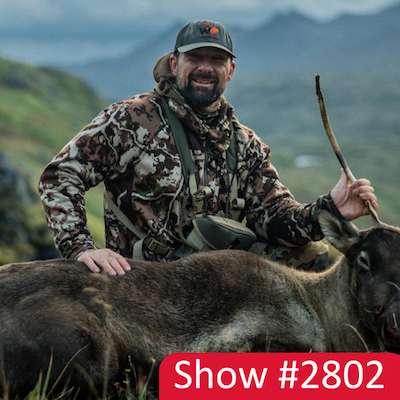
We are back, and again, thank you so very much for being with us. I’m very excited to welcome the Western Obsession to the show. Please welcome Kurt Belding. He is the founder and main force behind Western Obsessions TV, it is an outdoor media empire. Before this, he had a chain of retail shops and did some franchising as well. And since then, he has grown into his obsession. He has this TV show, Western Obsessions. I’ve watched some of the episodes, it is absolutely fascinating, and shows him going after some big, big hunts and games. He also runs a business called Hunt Adventures, where they help people go and have some of their wildest dreams in the outdoors. Burt, welcome to the show. How you doing?
Kurt Belding 31:17
Hey, I’m doing great, thanks for having me on. I really appreciate it.
Jim Beach 31:20
How long have you been hunting? How long has it been your number one passion?
Kurt Belding 31:25
Oh, you know, I grew up hunting as a kid. You know, my probably earliest memory would be probably around two, three years old, going with my father. He ran a trap line, so I was out in the woods, kind of. I’ve been doing it since I could walk, so as far as it being my obsession, it’s always kind of been there as an obsession of mine, just throughout my life, but just, you know, after I turned 40, I really started turning my direction 100% into the outdoor industry.
Jim Beach 31:58
All right, I went to college with a obsessed hunter, you know, counted the days down until the season, and all that, and he also did bow season, and you know, any season that he could find, and he quit showering during the season for all of the rest of us to enjoy, because he didn’t want the chemicals to, you know, get animals and make him be so well known from his scent. Do you take it that far? Do you quit showering for months at end?
Kurt Belding 32:27
You know, not for months at end, but I do quit showering, not because of poise. A lot of times the hunt that I’m on is pretty remote. I’m off on a mountain somewhere for a week to two weeks at a time, so there can be two weeks without a shower, but I don’t do it. Yeah, yeah, and I don’t do it, so the animals don’t smell me. Animals will always.. it’s just about making sure you’re in the right position, so the wind’s not blowing right. That’s kind of the strategy. So you know, I like to shower, I get home and try to clean my mouth.
Jim Beach 33:02
His name was Teddy, and we called him Tiny because he was six foot six. So, oh my goodness, and then he would clean the whatever he found in the hall bathroom, which was always a joy, so no. what’s your favorite thing to hunt for? What’s the best hunt?
Kurt Belding 33:27
My favorite thing would be an archery pennant. I really enjoy that. It brings in a lot of elements that I find valuable life. Love being immersed into nature, you know super remote country? I love the harder physicality of it. It’s a very physical, very tough hunt, and the challenge of it is probably one of the hardest hunts I’ve been on to date,
Jim Beach 33:55
because the elk are so fast. Are they just good at avoiding?
Kurt Belding 34:00
Well, any animal you hunt doesn’t want to die, right? So they’re going to be pretty
Kurt Belding 34:04
avoiding, but it’s, it’s more of the terrain that they live in. So el typically live up very high in the mountainous region, or away from any kind of human activity. So in order for you to get to where they’re living, you’re climbing mountains and enduring elements, and the way that I like to do it is called a backpacking elk hunt, where I pretty much cared for everything I needed in my backpack, all my food, any kind of gear, obviously my bow is in hand, and I just kind of live off the land for, you know, five to 10 days at a time out on a mountain somewhere, sleeping on the ground, and it’s a tough one because of that physical capabilities, but also, yeah, an elk is an amazing animal, you know, they can climb a mountain within minutes, that would take me half a day to get up, you know, so they’re gonna make. Animals,
Jim Beach 35:01
and I’m on your website, and I see a picture with one that you have taken down. The thing looks like it weighs 1000 pounds, 800 pounds.
Kurt Belding 35:12
Yeah, I mean, probably close to a big mature bull elk can get up to probably 800 maybe push 1000 pounds on the hoof.
Jim Beach 35:21
How do you deal with it? Then you know, how do you wheel barrow it out?
Speaker 2 35:27
No, you cannot. And you, it’s not like you’re driving a truck to throw it in the back of the truck or have a tractor up there on the mountain. So, so what you do is you debone the animal, you take all the meat off the bone, and you put them in these game bags, you know, they’re breathable game bags to kind of protect the meat, because the meat’s very valuable, like, you know, it’s a very valuable meat, elk meat’s very valuable to an elk hunter, we want to make sure we take every ounce of meat off the mountain, but how you do that, you literally put it in your back on your pack and you carry it off the mountain, and you know, obviously a big bull help like that’s going to take probably four trips to get him off the mountain, and sometimes you could be, you know, five miles from your truck, so it’s not like you’re walking five miles with, you know, 100 120 pound pack on your back on flat land, you’re traversing mountainous areas. It’s a very challenging hunting experience.
Jim Beach 36:21
I can’t imagine four trips just to get the meat off, but I have had elk meat and venison, and quite a few of the others, and damn, it’s good. It is. I particularly like the venison,
Kurt Belding 36:38
for sure. Yeah, it’s a very clean meat, you know, there’s no, or you know, hormones being pumped through it. There’s low fat, you know, very lean. And what’s really nice about it is like when you kill an animal and you take it off a mountain or off wherever you shot it from, you’re you’re in that process of eating that meat from every step, from taking it off a mountain, hiking it out, taking it home, preparing the meat, cooking it for your family, and serving it. You know, you’re involved in every step of that process. You’re not just going to a grocery store, buying a steak, not knowing where it came from, and cooking it up. You know,
Jim Beach 37:18
you’re one of the very, very lucky people, Kirk, that was able to take their passion and turn it into a business. I hope you realize how fortunate you are. Tell us about the business part of this now. When did you first start making money? And then tell us about the entire empire. Now,
Kurt Belding 37:34
yeah, I’ve been doing this for almost five years, as far as going on cool hunting adventures, filming them, trying to entertain other people, and I’ve just started making money on it in the last year. And how I’ve kind of figured out how to do that is I get to go on these very cool adventures, and then obviously my audience gets to see the cool adventure I go on. I now can connect my audience. Anybody that is a hunter wants to go on one of these adventures. I can connect them with vetted outfitters that either I’ve hunted with or my colleagues have, and I get them connected. They have great experience, and then that outfitter will give us some sort of a referral fee for helping him book his hunt. So that is how we’re making money now as a business, and it’s doing very well.
Jim Beach 38:21
Okay, I love it. And tell me about the show.
Kurt Belding 38:25
Yeah, the show, that’s really a passion of mine. I’ve, I really enjoy movies. I call movies be like that’s my drug. A movie, when you sit down and watch a movie, you get, you escape your reality, and you get put into a different reality, and you get to feel all these emotions, whether it be fear, happy, sad. So, it’s really my escape. So, I really enjoy to sit down and watch a movie. So, when I’m out filming a show or a hunt, I’m really trying to put together a movie for a viewer and really entertain the viewer. So, I really enjoy that quite a bit. It is a passion of mine. It’s super difficult. It’s not a movie set that we’re filming on, you know. We’re out in the wild and the animal has not read the script right, so who knows what’s going to happen.
Jim Beach 39:12
Giving the animals the script sooner than they can be prepared.
Kurt Belding 39:17
I wish it happened that way.
Jim Beach 39:19
Stand here and be shot in the hank or the flank
Kurt Belding 39:24
for sure, yeah. So things go sideways pretty easy when you’re out in the wild, but I really enjoy it, and I, and it seems that a lot of my audience enjoys it also.
Jim Beach 39:34
And who is the audience? Is it designed to be educational, motivational, instructional, just show how cool you are. What’s the what do you want the viewers to take away?
Kurt Belding 39:45
Well, a little bit of both. I hope that I kind of hit on all aspects of it. Like number one, just to be entertained, you know, not everyone can go on an archery L cut, you know, some people might not be able physically able to do it, some people may not be able to afford it, they may not live in the. Area, but they could watch my show, and I really try to immerse the person into that show, so that they feel like they’re there with me, and so they can kind of experience what that’s like by watching it. And then during the show, I try to give pointers and tips and give some education there, so they can learn a little bit more about it, and it should be inspirational too. If I can do it, anybody can do it, right? So,
Jim Beach 40:22
no, that’s not true, Kurt. I’m sorry.
Kurt Belding 40:25
Well, some of these hunts, maybe not an archery elk hunt, but you know, you can go on a white tail hunt and sit on a blind. Pretty much anybody can do that.
Jim Beach 40:34
Yes, my father and I used to go snowmobiling every year over in West Yellowstone, and then go into Yellowstone Park, and also go into some of the national park there, that’s not Yellowstone. They had, I don’t know what that distinction is, but they had some of that there as well. You could basically just go anywhere, and that was a lot of fun on the snowmobiles. Just had a great time doing it, but we woke up one morning, Kurt on the, I guess, out of habit, my dad put the Today Show on, which is what my mother watched, and Willard Scott said, “And welcome to all of our friends in West Yellowstone, the coldest place in the country, where it’s negative 12 degrees this morning, and then we went snow-beetling, oh I thought about doing one of the survival shows, or anything.
Kurt Belding 41:27
Ah, you know, I’ve had a lot of some of my friends say that I should try to do one, but the reality of it is, I don’t like to be hungry, so I don’t think I would do very well on it.
Jim Beach 41:40
I guess, yeah, I don’t like that either. So, yeah, it’s TV shows like Yellowstone and things like that helped your business. Do you think
Kurt Belding 41:51
you know? I maybe not yet, because that’s more about like ranching and living a lifestyle like that, rather than hunting, but podcasts like Joe Rogan, you know, meat eater, that helped my business quite a bit, because Joe Rogan is a big advocate on thinking, and he’s a big archery hunter, so enormous following, and so when people are listening to Joe Rogan, they kind of like symbolize that of, oh man, as they make this house so cool, I want to do it, so they find guys like me, because they don’t really know where to start, so they’ll find guys like me or like mine, and ask for advice, and how to get started, and how to do it, so that type of stuff does help my business quite a bit.
Jim Beach 42:32
Is there an animal, or is there a series that you know I was blown away with my daughters taking gymnastics, and they have a system and a program for everything, and you know that this move should come before this move. Is there a certain hunt that should become before another hunt? Is there something you should do first? Go after a groundhog before you go after a boar? Does it matter?
Kurt Belding 42:58
That’s a really good point. I think it really comes down to who the hunter is, but on in general, what I see a lot now is a, I call it adult onset hunters, where adults are getting into and curious about hunting, and then they listen to a show like Joe Rogan, who does archery elk hunting, and that’s what I want to do, I want to go archery elk thing, which is the hardest hunt you can do on the planet, pretty much right, so they probably shouldn’t be jumping into that, because literally disappointed, like only maybe five to 10% of people that actually normally hunt kill an elk, pretty disappointed, so you know a person like that probably should start with like a turkey hop, a deer hunt, something a little bit easier than math, some higher success that you can excited for them to get into hunting more. They’re going to be pretty discouraged, you know, on a mountain, getting beat up, not seeing any elk, right. And then you get the youth, you know, a lot of youth are, you know, we want youth getting to hunting. That is the future of hunting and hunters and conservation. You’re probably going to put a youth on the mountain, you know, eight old boy or girl on the mountain, and have them hide all over, all over the place, right? You want to start with something. I love the turkey hunt to start with, because it’s a very exciting hunt. You can hear them, it’s a high success rate hunt, it’s a good lot to get them started in hunting, that’s probably where I was.
Jim Beach 44:24
And what about these trips to Africa? And every once in a while, you hear about someone killing a particular elephant or lion or something that was famous. And just recently, I saw maybe it was a dentist who got killed on a hunt in Africa. What are your thoughts on those, and in particular the environmental questions about hunting something that’s actually scarce, as opposed to something that you know or heard that needs to be called a little bit.
Kurt Belding 44:55
There’s a lot of myth interpretation out there. In model, so I’ll just kind of start with you, post a lot of different questions there. I’m gonna start with that Africa part, where you know, I think to the general public, they see or hear hunters going, perception is these are just killing everything in sight and burning everything, that’s the misperception, and that’s that couldn’t be furthest from the truth, you know. Obviously, there’s always bad apples in our barrel, right? But the general population of hunters, especially the ones that were to Africa, there’s actually a really big benefit to the community Africa when they go over there. So most countries in Africa, the country itself actually owns the animal, and they’re managed very strictly, you can’t just go over and just shoot as much stuff and just kill a whole bunch of things. Each species throughout the world is really well with population control. If you need a license, you need a tag, you need an allocation to be able to go over some of those animals, but for America in general, typically because the building owns those animals, there’s a lot of money that’s paid. It’s expensive, right? To go to Africa and kill an animal, most of that money that a hunter is paying is going into the communities, going into road systems, it’s going into the school systems. It’s one of the largest ways that African countries get revenue is actually through hunting, and in Africa, you don’t bring the meat back to the United States. That meat is donated to the local tribes. A lot of times, the local tribes can’t hunt, they can’t go off, because the animals own the government. Pretty big laws against that, so when a person goes over there and hunts in Africa, most of that money is going for infrastructure, me isn’t going for food to help out the local tribes and community, so there’s a huge benefit to hunters going over in Africa, and you know, we can go over to other topics like hunting in the United States, and how that money is actually going to conservation, and to conserve those species, whether it be deer, elk, you know, mountain lion, whatever it is, a lot of that money is going into helping that animal and that herd and that species, so you know, if you want to come to the specific topic, let’s go into it, and I’ll definitely try to clear up those news perceptions.
Jim Beach 47:28
Well, I think you did a very good job over it already, Kurt. I didn’t know about the benefits to the local community, and so I learned a lot there, and I’m not against hunting in the first place, you know. I, my mother grew up on a farm where they killed their food, you know. And one of our favorite family stories is, Mom had a pet cow, and she came home from school one day and asked what was for dinner, and they had slaughtered her cow that morning, and so she spent the next month eating her pet, and so you know, I’m not sure, I, you know, I’m kind of, I’m a very bad Christian, and I do think that Christianity says we’re supposed to eat the animals of the earth, that they’re here for
Kurt Belding 48:21
us, so all right. I
Jim Beach 48:23
have no moral objections.
Kurt Belding 48:26
Yeah, unless there’s someone, if someone is a meat eater, if they’re not a vegetarian, if you’re a vegetarian, all the power to, you know, I love meat, and if that’s what you want to do, fantastic. And I have no emotions either way, but if you do eat meat, you have to understand that you do contribute to the killing of animals, you’re just maybe not pulling the trigger yourself, you’re not killing someone else, someone’s got to raise that animal, someone’s got to kill the animal for you to eat meat, no matter what meat that is. Typically, you know, hunters go to the grocery store too, and buy meat, so they’re a part of that. A lot of times, a majority of their meat comes from themselves killing the animal rather than having someone you know.
Jim Beach 49:05
Yes, very true. I think a lot of you know it’d be easy to shoot, that would be harder to clean. I think that’s the hardest part, that
Kurt Belding 49:14
for sure
Jim Beach 49:15
daylights out of me. So,
Kurt Belding 49:18
sure, yeah, my wife, she likes the game meat I bring home, but she says I don’t want to see the processing side, because if I see the animal get skinned into bone, I won’t eat it.
Jim Beach 49:31
Yes. Do you collect the.. I don’t know what they’re called, the horns, the head, what is that called? When you put it up on the wall,
Kurt Belding 49:42
it’s a mount. See, yeah. And I do. I do. Yeah, an
Kurt Belding 49:56
analyst lived a good life, has been able to. Bread and seed produce other animals to kill young animals, they don’t have a chance to live, and don’t have a chance to spread seed. So, usually it’s a, you try to kill a mature male animal of whatever species that you’re hunting, and off of hunters we glorify a mature animal. Some people call it trophy hunting, and I guess the trophy can look very differently in other people’s eyes. For me, it’s the experience of the adventure that’s the trophy for me. So I’m able to harness a mature animal. Sometimes I will get a taxidermy, and I will put it in my office, or, you know, down. My wife allows it down the basement. We don’t, she doesn’t like it going throughout the house, but that way I can take, you know, look at it sometimes and remember that adventure and that experience that I, you know, so that’s a pretty common thing for interest.
Jim Beach 50:49
Yep. So, how are you going to grow the business? What’s your plan to double in the next five years, and things like that,
Kurt Belding 50:56
you know? So, I’ve got a consultant team, which is basically a sales team, so just like any business, you need to increase inventory, increase sales, increase marketing, right? So I increase inventory, it means I let them crowdfunders and bring more onto the portfolio and increase my marketing, and what’s, you know, put more money into what’s working, and then I increase my sales staff. So I’m doing all that right now. I’m working pretty hard on increasing the outfitters that are bringing on the portfolio. I’m increasing my sales training sales guys every day, and then I’ll increase the ad spend, and you know it’s doubled last year, and we’re on pace to double this year, so that’s growing pretty fast.
Jim Beach 51:42
That is fantastic. And how did the videos help? Do you find that when you release a new video, you get 10 calls that week?
Kurt Belding 51:51
No, not necessarily. It doesn’t directly correlate to a lead, but what it does do is it builds trust in our community, so you know if I’m saying, “Hey, you know, check out this outfitter that I went on here. You can actually watch what that hunt was all about. We have a video on that. We filmed it. They can go watch it, and they can see exactly what that hunt is all about, and they can see the terrain and the physical capabilities, what you’re sleeping in, and you know all that stuff, and then they start to trust you after a while, too, because they’ve seen me in miniatures, and then social media, and some of these videos I’m watching, there’s a sense of trust that’s being built when they’re ready, yeah, I want to do this adventure, they already kind of trust the brand, and then they talk to me, or they talk to one of my consultants and just get the details, and there’s even more trust built there. So, I think the biggest thing videos do is pop and exposure, exposing more people to what we do, and then also starts to build trust within the brand.
Jim Beach 52:57
Kurt, you’ve done it very, very well, and congratulations. How do we find out more? Book, you find the show, book a hunt, all that stuff. Please.
Kurt Belding 53:06
Sure. Absolutely. You know, our website, Western Obsessions tv.com will have pretty much everything that you need to know. You can watch some of our episodes, you can see some of our adventures that we have there. If you kind of want to see what I do day to day, I would be our Instagram or Facebook, which is just Western Obsession, and that would be the first place to start.
Jim Beach 53:26
Fantastic, Kurt. Thank you so much for being with us. Great story. We’d love to have you back in the year to get an update on the growth. And congratulations, well done.
Kurt Belding 53:35
Great, thank you. I appreciate it, and I enjoy talking to
Jim Beach 53:38
you. Thank you much. And we are out of time, but back to our Be Safe, take care, and go make a million dollars by now. Bye
Andrea Baumann Lustig – Manager Partner at Fischer Stralem Advisors and Author of Legacy on the Line: Overcome Blind Spots to Grow and Transfer Your Wealth
The same hustle that built your business can actually
work against you when it comes time to sell it.