
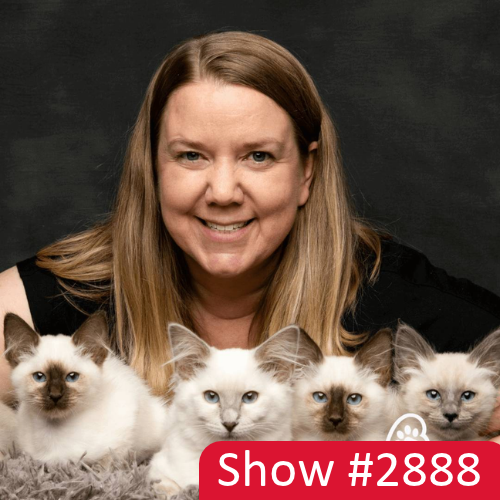
16 Nov November 16, 2026 – Energy Entrepreneur Robert Mason, Backpocket CPA Ryan Page and Mini Goldens Heather Gibson
01:42 Jim Beach: I was never a dog person. I had a bad thing. And now I’m loving them more and more and more. And these are some of the cutest dogs we’ve ever seen. Anyway, big show. Going to go and get started right now. Here we go. Very excited to introduce another great entrepreneur. Please welcome Robert Mason to the show. People call him Bobby. He is the CEO of SPOC Energy. S-P-O-C Energy.
02:11 Jim Beach: They make a part for energy systems and the stuff that I don’t understand, oil and gas marine data centers. They make power things for there and it’s been sold in over 40 countries. It has been on the Inc. 5000 list several times, including this year, and Bobby has a new book out about it called Tuesday in Trussville. How one small town’s lift up culture is shaping the future of business.
02:38 Jim Beach: Robert, welcome to the show. How you doing?
02:41 Robert L. “Bobby” Mason: Jim, I’m doing fantastic and thank you for allowing me the privilege to be here today.
02:47 Jim Beach: Oh, we just want to learn from you. What does SPOC do? So explained this in a way that us non-engineers can understand.
02:57 Robert L. “Bobby” Mason: There you go. It is actually, if you think about everybody’s familiar with a Prius. And it’s a that’s an electric and a gasoline vehicle.
03:06 Jim Beach: Yep.
03:07 Robert L. “Bobby” Mason: Well, one of the products, one of the many products, we’re in the power conversion business. So we use inverters, just like you get in your electric car or in your Prius to control motors to also distribute power. And as the uh, as one of our, one of our many products. We actually turned diesel generators into a Prius. We turn them into hybrids.
03:32 Robert L. “Bobby” Mason: And then we do power for data centers and AI loads and just all kinds of cool, high-tech redneck things in the power conversion business.
03:41 Jim Beach: All right, how many different products do you have?
03:44 Robert L. “Bobby” Mason: I’m sorry?
03:45 Jim Beach: I mean, what products do you have?
03:48 Robert L. “Bobby” Mason: Well, actually, the products are not huge in depth of SKUs per se, but they are very unique in anywhere from small loads to megawatts of power. So they range, and in general, we have about 180,000 potential SKUs that we could build, but in truth, that’s really just several hundred.
04:08 Jim Beach: Okay. How big is the average thing that comes out of the factory? Is it handheld or truck driven?
04:15 Robert L. “Bobby” Mason: Nothing is handheld. Everything is, I’ll say, the smallest products we make fit on a pallet and the largest things fill up trucks. So, uh, they they range, but they’re all, they’re all very uh, very beefy in size and scale.
04:31 Jim Beach: Okay, what’s the average ticket on one of them?
04:34 Robert L. “Bobby” Mason: Oh, low end is probably, well, you said average.
04:38 Jim Beach: What’s your average end?
04:40 Robert L. “Bobby” Mason: Well, let’s just say there’s a range. They range from multimillion dollar solutions to probably the lowest end product that we make is somewhere in the 5 grand range.
04:51 Jim Beach: Okay. And did you start this business or take it over?
04:55 Robert L. “Bobby” Mason: Actually, I started this business.
04:57 Jim Beach: I know all this stuff. You went to Jacksonville, right? Jacksonville State?
05:01 Robert L. “Bobby” Mason: I did.
05:02 Jim Beach: Was your degree in engineering or something?
05:05 Robert L. “Bobby” Mason: Actually, my degree was not in engineering. My degree was in marketing and management, and my, my family has been in this business since way before my, my day, as far as uh, in the electrical space, and my dad was uh, a great influence on me and a teacher and also electrical engineer, and sent me to more school after my formal training.
05:30 Robert L. “Bobby” Mason: Um, And I’ve been in trade schools and tech schools and product schools my entire life. I’m a learner, so I have more application knowledge that I can sit here and say a degreed knowledge, but I have a plethora of engineers on staff that can back up most of my promises.
05:50 Jim Beach: Oh, I’m so sorry. We always have a word of the day. And it used to be plethora. Not anymore, but I love the word plethora. So we’re going to give you a call us just for that one word. I love it.
06:06 Jim Beach: On your website, you know, the machines, these things look like the things I’ve seen by the side of the road, maybe, or these huge, like, industrial looking stacks, and here’s some of them on ships and stuff like that. So how big is your factory? How many employees are in just the factory?
06:27 Robert L. “Bobby” Mason: We have just right now we’re currently just under 300 employees. We work out of multiple locations, different buildings here. Uh, we’ve got 8 different, um, facilities here in Trussville, which is a suburb of Birmingham, and we are uh, we’re manufacturing different products in different, in different buildings.
06:46 Jim Beach: Okay. That makes sense.
06:48 Robert L. “Bobby” Mason: Yeah, there’s, there’s somewhat specialized, some are tailored towards oil and gas, some towards marines, some towards power solutions, and hybrids, uh, for the, the generator space and and, and the AI data center stuff also.
07:01 Jim Beach: How many? Oh, engineers do you have now?
07:04 Robert L. “Bobby” Mason: Uh, right now, our engineering staff between mechanical, electrical and software is is north of 20.
07:11 Jim Beach: Okay. This will be a good place to get a job.
07:14 Robert L. “Bobby” Mason: It is a great place to get a job. We’ve actually, so far this year to date, and we’re sitting in mid-October. I think we’ve hired a 100 people and I know for a fact we’ve got another 35 or 40 We’re going to try to fill the bill on before the year’s up. However, we’re, we’re, uh, we’re very blessed and very selective because the place was actually founded on culture.
07:43 Robert L. “Bobby” Mason: And, uh, We’re, we’re, we really believe that hiring, firing based on culture. I can teach you the products, I teach you how to manufacture it. I can teach you a lot of things, but I can’t, I can’t uh, teach character and and culture, and those are the things as we scale are vitally important to us.
08:05 Jim Beach: All right, so let’s lead into the book. That’s a good transition into it. Tuesday in Trussville, how one small town’s lift up culture, right there it is, is shaping the future of business. So how do you establish your culture early on? How have you built it?
08:24 Robert L. “Bobby” Mason: Actually, the, the, the company was basically burst out of it, if you, if I will, my, uh, a little quick story, my, my father had a business in the electrical wholesale and systems integration space, and we had a job that we did years ago now, 29. Um, that didn’t get properly bonded by one of our employees.
08:46 Robert L. “Bobby” Mason: And as such, uh, It ended up, the company went bankrupt, and our employee who had not done his job correctly cost us 1000000s of dollars, and my dad ended up losing the company, losing all of his assets.
09:01 Jim Beach: Oh God.
09:02 Robert L. “Bobby” Mason: And a judge put a padlock on the side out in California. It was a green initiative back in those days, which was kind of infancy stages of such. And long story short. He lost it all in the company that took it over. Um, It was one of our vendors at the time and they just had a toxic, toxic culture. And he told me, you know, give it a fair square shot.
09:31 Robert L. “Bobby” Mason: You’ve got a lot of experience. You know this business inside and out. You been in it your whole life. They’re a big company. They’re a multinational, multi-billion dollar corporation. You can write yourself a pretty good ticket. And I did.
09:46 Robert L. “Bobby” Mason: I gave it a fair shot for about 2 years, but then I had to fire a bunch of people, and it was all the automation folks, and they wanted to change the business model, and they, the way they went about it was unethical and moral, and actually quite poor business instead of staying in an automation space with really good margins.
10:11 Robert L. “Bobby” Mason: They wanted to drop into a commodity MRO type business that was really, really low margin. So not only was it immoral and unethical the way they were handling things and a toxic culture. Even a guy from Alabama can do math, if you want to cut my margins by 30 and 40% and sell low margin single digit stuff, That’s not very bright.
10:35 Robert L. “Bobby” Mason: And, uh, so I went down and told him, you know what? I love you, but I have no ownership. I don’t like the way this is going. I’m going to take what I’m already doing in the coalbed methane fields. And and the solutions we came up for oil and gas.
10:56 Robert L. “Bobby” Mason: And I’m going to take these, some of these guys that I’m having to fire, and uh, we’re going to start a company, and Lord’s blessed us ever since. And so really this place. Literally was birthed out of a culture dysfunction that I could not tolerate.
11:14 Jim Beach: Interesting. That is. And so now, how do you pass on the culture? How is it going to be taught to those 100 people that you’re bringing on right now? What are they going to be told it is? Is it written down?
11:31 Robert L. “Bobby” Mason: It is written down. And that’s actually part of the magic. And we were… We refer to that culture. It’s actually something that we branded long, long ago, and it’s called lift up. And it is a culture where we are human centric, where people matter, where we lift up the individual and give them a place to work, a place where they can thrive and provide for their family.
11:58 Robert L. “Bobby” Mason: We lift up each other because everyone here is necessary. If they weren’t, they wouldn’t be here. So the man and woman on your left and right matter. We lift up each other.
12:10 Robert L. “Bobby” Mason: We lift up this company, and we use our talents and gifts to serve others, and then we lift up our customers, to our God-given talents, abilities, and our expertise, and our willingness to be good stewards of everything that we’ve been given.
12:27 Robert L. “Bobby” Mason: And then we used to stop and when we were just oil and gas centric, and we thought we would lift up this country because we could help us be energy independent in the oil and gas space, but as we’ve diversified, we’ve actually diversified the culture to expand to, we really believe we should try to lift up the world, because a lot of our solutions are going to be the power solutions that will power the future.
12:57 Robert L. “Bobby” Mason: So AI, if we can come up with ways to power AI that is a good steward of power. Is a good steward of resources and makes it allows it to be a tool to be used by everyone, then we can literally lift up the world because we’re going to be powering the innovation that is going to have the next medical breakthrough, is going to come up with the next you name in, fill in the blank.
13:28 Robert L. “Bobby” Mason: So we’re we’re actually, we, we, we preach it. We teach it. We live it and we reward on it. We actually have programs and we we do it as part of the onboarding so that they understand. And part of this book journey is actually just that.
13:47 Robert L. “Bobby” Mason: One of our aspirational goals, 2 of our 4 BHAGs actually involve, involve culture and one is to be known internationally for our liftup culture and it’s going to help, uh, I won’t say accomplish that goal completely, but it’s certainly going to be a strong, a strong, uh, advocate to get us known beyond the borders of just our normal sphere of influence.
14:11 Jim Beach: You made it all the way to Georgia now.
14:15 Robert L. “Bobby” Mason: Well, you know, honestly, I’ve, I, I had a company out of Europe, a major electrical manufacturer invite me in recently to speak to their board of directors. Uh, it’s a multi-billion dollar or actually Europe, multi-billion euro company, uh, spoke to their founders, the owners, the executive board and the board of directors on this very topic.
14:37 Robert L. “Bobby” Mason: So we actually are influencing industry and we just want to take it to the next level and help a lot of other people. Think about why they want to be in leadership and how to build positive cultures, because it’s my belief that as AI continues to mainstream in the workforce and in the world. That, It’s going to level the playing field between a mom and a pop company and a multinational.
15:06 Robert L. “Bobby” Mason: So what’s the difference? It’s people. And if we can Have the best create better people, we will create better organizations. And that’s whether that’s a dotcom or dotorg, it doesn’t matter. And yet, As AI drives efficiency, people become less important in certain corporations, which is going to cause them to lose talent and the companies that focus on a culture that’s human centric.
15:31 Robert L. “Bobby” Mason: They will not only retain, but they will gain the talent that is available through this giant shift, this disruption in how the world does business with the advent of this technology. And I think it actually positions us to grab that talent. And then those incredible human beings will be the ones that will use this technology. Not only for good, but also for the good of this company and what we do.
16:00 Jim Beach: Very well said. Very well said. How do I get a copy? Follow you online, learn more about SPOC. Maybe apply for one of those openings. Get a copy of the book.
16:12 Robert L. “Bobby” Mason: Absolutely. If you go to Robert L. Mason.com, Robert L. Mason.com. That’s my personal website and that will drive you to SPOC Energy. That’ll also drive you to my YouTube channel, where podcast and all that is, and it also drives you to where the book is, which Amazon is carrying the book along with all the major bookstore outlets. It’s available for, uh, The official launch is the 27th of October.
16:40 Robert L. “Bobby” Mason: It will be shipping, but pre-sales are…
16:42 Jim Beach: That was days ago. Robert, we’re way past that. So Amazon has it available. Great. Thank you so much for being on this show and I look forward to hearing from you again. We love to have you back. It’s an amazing story for what you’ve done for Alabama and Birmingham. I mean, it’s a huge industrial big part of the state and other than the rockets, you’re the most important thing in the state.
17:11 Robert L. “Bobby” Mason: Well, thank you, and it was my pleasure, and if you’re ever open the area, please come by and see us. Would love to.
17:21 Jim Beach: And we will be right back.
17:23 Advertisement narrator: Tired of talk and no action on climate change? Introducing the real environmentalists, the bold new book by Jim Beach. It’s not about activists, politicians, or professors. It’s about the entrepreneurs, real risk takers, building cleaner, smarter solutions, not for applause, but for profit. The entrepreneurs in the book aren’t giving speeches. They’re in labs, factories and offices, cleaning the past, and building clean products for the future.
17:43 Advertisement narrator: The real environmentalists is available now, because the people saving the planet aren’t the ones you think. Go to Amazon and search for real environmentalist. Thank you.
17:52 Jim Beach: We are back and again, thank you so very much for being with us. You’re excited to introduce another great entrepreneur and someone who you could potentially hire. Please welcome Ryan Page to the show. He is the founder of Back Pocket CPA. They do both CPA and fractional CFO type work at Back Pocket. They are really trying to help businesses grow by understanding the story behind their numbers by using plain English.
18:19 Jim Beach: Ryan did time with the big 4 accounting firms and Fortune 500 companies, got a masters, and then started his own practice here at some time, and they are out of Nashville, Tennessee, which is just an incredibly up and coming city here in the south, not nearly as nice as Atlanta. But anyway, Ryan, welcome to the show. How you doing?
18:43 Ryan Page: Doing great. How you doing?
18:45 Jim Beach: Good. Where did the name come from? I like it. Back pocket.
18:49 Ryan Page: Uh, you know, I’m going to steal something from you. I’m just really creative, uh, and passionate about what I do, and no, I’m just, uh, I, uh, those aren’t my words.
19:00 Jim Beach: Yeah, the opposite of your words.
19:03 Ryan Page: No, I, I, honestly, I don’t know where it came from. I started working with people. My V one of this was balanced millennial financial, and obviously a mouthful, like what does that even mean? And then as I started doing it more, it kind of morphed into like, Just a, a, a name that I thought would be memorable.
19:26 Jim Beach: It works. It implies utility because it’s right there in your back pocket, but it also implies something that you value and cherish because you’re taking it with you. You know, you’re carrying it around you at all times. Certainly something well trusted that you’re willing to sit on.
19:44 Ryan Page: Yes.
19:45 Jim Beach: Like a cat. Anyway, it works. You know what else? I don’t think I’ll forget it. I don’t think I’ll forget it. I might forget your name, but I won’t forget Back Pocket CPA.
19:56 Ryan Page: Well, I love it then. That’s a that’s a solid brand. I hope that’s true.
20:03 Jim Beach: Yes, yeah. So tell us about the practice, how big you are, what kind of specialties you like, industries that you like, et cetera.
20:12 Ryan Page: Yeah, so I started it about 5 years ago in 2021 when we moved here to Tennessee. Um, it was, I did it full-time for about 6 months and then, um, took a day job 6 months thereafter, I wanted a, to buy a house, so I needed a little bit more W 2 income than I was getting. And, uh, honestly, I felt like I, I was 28.
20:38 Ryan Page: I felt like I just wanted to be around more finance leaders and get better at forecasting and guiding a business. Um, so I I took a job for those 2 reasons and kind of did this on the side for a handful of years. Um, and then about a year ago, I quit my job and have been doing it full time since.
21:02 Ryan Page: So it’s me and I have 4 other people on my delivery team. Um, and we’re serving about 15 clients right now. We like working with marketing agencies, specifically female led creative marketing agencies. Um, and that’s sort of just an evolution of of the business.
21:19 Jim Beach: Excellent, excellent. And congratulations on that growth. I love several things that you did. I love that you got a day job, you know, to pay the bills while you grew this on the side. That’s, you know, it sounded like you were, have listened to something that I’ve said, and I certainly hate risk, and you reduced your risk by as much as possible by doing that. And so it’s just an awesome model.
21:47 Jim Beach: And now having four, you know, in 2 more years, you’ll have 14 and then 3 more years, you’ll have 40. And I love the fact that you proved that you can move to a new city, start a service business, and in 5 years support yourself. In a brand new city and stuff. So that’s really encouraging. So I love it. Then I love the way you did it. You did it great.
22:14 Jim Beach: Yeah, A plus.
22:16 Ryan Page: I, uh, I wish I could strategically say it was kind of a risk reduction thing, but honestly, it was, it was, uh, having kids that like really kind of put it into gear for me of like, all right, I’m doing this because, I mean, before Back Pocket CPA. Like I said, I had balanced millennial financial. It was like uh, just helping everyone do everything, taxes, random bookkeeping, financial coaching.
22:43 Ryan Page: Um, again, always on the side, but yeah, having kids was sort of the catalyst of needing something different.
22:50 Jim Beach: How many do you have? Ages?
22:51 Ryan Page: I have 2 and a 2.5 kids. My son’s three, my daughter’s one, and we’re having a baby here next year.
22:55 Jim Beach: Congratulations.
23:00 Ryan Page: Thank you.
23:01 Jim Beach: Are they good sleepers? Is your family traditionally good sleepers?
23:05 Ryan Page: Um, they’re pretty good now. The 2 of them are, but it’s been an evolution for sure.
23:11 Jim Beach: My wife hates when I talk about this. That’s why I enjoy it so much. Have you heard a book called Babywise?
23:19 Ryan Page: No.
23:20 Jim Beach: Gary Ezzo, E-Z-Z-O, Babywise. It teaches you how to have a baby that sleeps through the night by 6 weeks, and they mean seven, 8 hours by that. All of mine, I have 4 were earlier. They did it at like 4 weeks sleeping totally through the night. And Ryan, that’s where it includes the baby sign language too.
23:42 Jim Beach: I don’t know if you’ve ever heard of that, but the baby’s a new sign language, and this book does that in the appendix. It’s the coolest thing ever. And it makes the nicest kids ever because they never go through the, uh, uh, stage.
23:59 Ryan Page: Yeah. Sign language, I think, is like a key code with them because they’re, like you said, they can tell you what they want and you’re not just like guessing everything quite as much. Long before they can talk, they can express different desires and they can, you know, we always start with bore, all done, please, thank you. And so, you know, that’s…
24:23 Jim Beach: Surprising how much.
24:24 Ryan Page: Yeah, surprising how much they can say with just those few words.
24:29 Jim Beach: Yes. And one of my friends got up to like 40 different signs. You know, that kid was doing milk versus juice and, you know, macaroni versus cereal and stuff like that, you know, that’s a wonder kid there. Anyway, back to you. So what are the services that you’re doing now? Straight up CPA and CFO.
24:50 Ryan Page: No, so I always say I’m retired from doing taxes. But the truth of that is I just don’t enjoy filing tax returns. Um, so we, we stay with really just bookkeeping and making, uh, it’s like the name says making, uh, being in the back pocket and making the books and the finances more operational so that we can help drive, you know, what is it that we’re actually doing?
25:16 Jim Beach: You’re really going to go that small, a niche. I, you’re gonna have to throw in taxes and stuff. Aren’t they gonna, your customers are gonna demand it?
25:27 Ryan Page: They haven’t yet.
25:28 Jim Beach: Really? Okay. Well, that’s what I mean, if you can build a whole niche on just bookkeeping. Uh, you know, there’s riches in the niches, and I’ve never found a niche that I found was too small, I was just kind of quizzing you to see what your thoughts are, and you got 15 clients. So are these mostly, Why are they female marketing agencies? I’ve had a lot of those on the show.
25:56 Jim Beach: You should go through our blog and index and check out. I’ve had a lot of those. But my female marketing agency.
26:04 Ryan Page: The truth is, well, 2 things. One, my wife is a creative entrepreneur, and um, I get a lot of satisfaction, just like, being able to take the finances off her plate and knowing her knowing that things are going well. Um, and I, I like being able to show up for, for that type of, um, owner.
26:25 Ryan Page: And then, I mean, too, worked with a handful of various business owners, and I just find the common theme across, uh, a lot of men is just grumpy old egotistical men. It’s just not as fun for me.
26:41 Jim Beach: What about the grumpy old egotistical men like me?
26:43 Ryan Page: Yeah, I wasn’t saying you. You’re not.
26:46 Jim Beach: What did you say about the grumpy men though? I missed that.
26:51 Ryan Page: Uh, there’s just a lot of owners like that and it’s just not enjoyable for me to, uh, to work with that type of person.
27:00 Jim Beach: Well, you know, the… Boxing and the uh, pesticide businesses and the construction businesses in Nashville are going to be run by 60 to 70 year old men who are desperate to retire. They can’t find anywhere to sell their business. So you might want to do that kind of thing as well, helping those guys get rid of those businesses because they don’t have a clue how to do it.
27:26 Ryan Page: Yeah. I mean, I definitely, I, I, some, like some of my clients are that type of person, but I just always notice the, um, it’s just not as enjoyable work for me, like my, my wife has also called out whenever I’m on the phone with my ideal client. Like, I’m just so much more, um, happy and bubbly and like, I love just being able to, like, call it the financial intimidation gap.
27:54 Ryan Page: Like, I’m basically just the helping them translate what’s going on financially. They have no clue and they’re just appreciative of it, whereas the, the old, older gentlemen are not appreciative. They’re demanding and, uh, yeah, it’s just a different ball game. Obviously, I’m making very big stereotypes here, but it’s just, yeah, kind of what I’m what I’ve seen typically.
28:17 Jim Beach: You know why? We are also skeptical of all of you, accountants, because the 2 columns do not add up to equal. The assets and liability don’t equal. But you go, oh, yeah, they do, right? Don’t the counts equal? You’re going to say, yeah, they do, Jim. No, they don’t. And then you just put an imaginary number in there to make them equal and you call that a science or a math?
28:44 Jim Beach: No, you’re just going into… I just imaginarily have that. Let’s just put it, what name are we going to put on it? Ooh, let’s put a fancy name on it. That sounds good. What about goodwill? Yeah, let’s just call it goodwill. All of the customers that I didn’t give the finger? I mean, I just don’t believe it. After you say that, Ryan, and that’s in like class 2 of accounting, right?
29:12 Jim Beach: Or maybe even the 1st class. I still after like 8 times of taking accounting. I had to take it twice to get out of college. Wait, and that I had 2 accounting classes and I had to take both of them twice to get out college. And then I got my MBA like you did. And, uh, I think I took it 3 times before I could get an acceptable grade.
29:39 Jim Beach: And that’s because I got the easy teacher on rotation finally.
29:43 Ryan Page: Yeah. Well, that’s why I like to say we are more operational and we don’t do any of that fancy.
29:51 Jim Beach: I sound like your perfect client. Don’t we?
29:54 Ryan Page: Yeah.
29:55 Jim Beach: My heart rate’s getting a little elevated. Go up or don’t equal shit in it I mean, everything I said is true, right? For the non-believers out there who think I was just making that up, everything I said was true, correct?
30:10 Ryan Page: Yeah, there’s there’s a lot of, there’s a lot of concepts that are like, what are you, what are you even talking about? And, um, yeah, that’s, uh, that’s a fun part of accounting and we’ll just leave it there. That’s for other people to to do.
30:27 Jim Beach: Right. Don’t most accountants wish that they we would go to a straight tax or something like that so that they don’t have to do taxes and then do real business work and real consulting and really helping businesses.
30:42 Ryan Page: I don’t know that I could say that, uh, that’s a consensus among the, the industry, like, I think in theory, but it’s, I think it’s kind of honestly market driven a bit too, like, If you think of, um, a marketing agency, like it’s easy for them to go and, uh, sell work because they’re bringing in new projects.
31:04 Ryan Page: So if it’s just if I can make you 15 grand, you can pay me five. It’s way easier to wrap your head around, but accounting, like a lot of people don’t attach value to it, it’s just an expense that’s sitting there and if it’s growing, then they’re, they feel like they’re doing something wrong and it’s something they try to minimize.
31:28 Ryan Page: So a lot of businesses try to minimize it, and then that means that accounting, like accountants are just stretched thin. So most of them have to take on 100s of people. And then when you’re taking on 100s of people, obviously you can’t service all of them well. So I think it’s just all kind of like a market driven kind of broken model that needs a little bit of repair.
31:55 Jim Beach: Right. Well. I remember back to the 1st time I hired a CFO for my company. We were about, I want to say 1,600,000 or somewhere around in there and he walked in, her blew us, the poor guy, and I had a box, a 2 by 2 foot box of, you know, unopened bills and stuff. Here’s a box, 2 by two, you know? Good luck.
32:20 Jim Beach: He came back to me 3 or 4 days later and just was like, he wanted to quit and he was throwing bad words at me and stuff and, you know? But he stayed, he was there until the business sold. So anyway. Fun times.
32:37 Jim Beach: You know, I’m also, I think, a very typical entrepreneur who doesn’t deal with it and, you know, puts it in a box until it becomes a big problem and then hire someone to deal with it. And then it becomes a system, right?
32:53 Ryan Page: Yeah.
32:54 Jim Beach: Exactly. Ryan, very interesting, and congratulations on a great business. I love to see the niche and I can’t wait to see how you’re going to grow in the next two, 3 years. How do we find out more, get in touch with you, and hire you?
33:10 Ryan Page: Thanks, uh, best place right now is uh, through LinkedIn. It’s Ryan Page, and you’ll find all of our content on there, pretty active, and yeah, definitely reach out and say hi.
33:23 Jim Beach: Fantastic. Ryan, thank you so much for being with us and we’d love to have you back.
33:30 Ryan Page: Thanks a lot.
33:31 Jim Beach: Thanks.
33:32 Ryan Page: Thank you.
33:33 Jim Beach: And we will be right back.
33:34 Station bumper voice 1: Well, that’s a that’s a wonderful question, actually.
33:37 Station bumper voice 2: Oh my gosh, I love the opportunity to do this.
33:40 Station bumper voice 3: Thank you, Jim.
33:42 Station bumper voice 4: Wow, that’s a great one.
33:44 Station bumper voice 5: You know, that is a phenomenal question.
33:47 Station bumper voice 6: That’s a great question, and I don’t have a great answer.
33:52 Station bumper voice 7: That’s a great question.
33:54 Station bumper voice 8: Oh, that is such a loaded question.
33:56 Station bumper voice 9: And that’s actually a really good question.
33:59 Station bumper announcer: School for startups radio.
34:02 Jim Beach: We are back again. Thank you so very much for being with us. You know, all of us love our pets. It is one of the best industries in the world for entrepreneurs because I would do almost anything for my pets. Probably before I would do some things for my kids, I would do for my pets. And I’m excited to welcome someone who shares that same attitude. Please welcome Heather Gibson.
34:29 Jim Beach: She is the founder of big hearted breeders out of Salt Lake City. She is very into ethical breeding and proper dog placement systems. She helps support families, therapists, and veterans through trained companion dogs. Heather, welcome. How you doing?
34:44 Heather Gibson: Great. Thanks so much for having me on.
34:48 Jim Beach: It is exciting to talk about dogs. You are our pets. You’re totally dogs, right? Do you just hate cats? Are you put up with them? Where do you stand on cats, Heather?
35:00 Heather Gibson: I love cats actually. And I actually started out breeding cats. I just closed my cat breeding program last year, but that’s actually what got me started in the business. So I am a huge dog and cat fan.
35:14 Jim Beach: But why did you stop doing cats?
35:16 Heather Gibson: Yeah, why did I stop doing cats? It was kind of a business decision, honestly. When you get into business and you’re doing all the SEO and all the work to promote what you’re doing, it’s kind of like doing it twice to do both. And so I had to pick one or the other, I felt like I did.
35:40 Heather Gibson: And so I ended up going with mini golden retrievers, which is where my passion really lies right now.
35:47 Jim Beach: Well, we always say there’s riches in the niches, and that you should do a niche, and the better niche you can get, the better off you’ll do because you’ll be able to defend that niche better than anyone else. So, I think that’s a smart business decision. You only do Golden’s now. Is that what you said?
36:09 Heather Gibson: Yeah, miniature golden retrievers, so they’re a mixed breed.
36:12 Jim Beach: Does that mean you just don’t feed them?
36:15 Heather Gibson: No, we mix them with spaniels and poodles and we bring down their size. I find that a lot of families these days just have less room or don’t want to carry as heavy as a dog. And so we mix them with other breeds to keep that golden retriever look and personality, but bring down their size to about 30, 25 to £35 is our average size as an adult.
36:42 Jim Beach: You were able to do that all within the last 10 years or something? Doesn’t creating a new breed take 100s or years or something, I thought?
36:52 Heather Gibson: It definitely takes a really long time to establish a consistent breed look. And so we are doing a lot of 1st time breedings where we’re breeding the parent breeds for the 1st time. But I’m not the only one doing this, and I came back in a little late, meaning that there were other breeders already working on this breed. And so I’ve been doing it for about 6 years now.
37:20 Heather Gibson: And so we’ve come a long way, but we’re still working on it.
37:25 Jim Beach: So on your LinkedIn page, you have 4 beautiful dogs there. Are they adults or Puppies still?
37:31 Heather Gibson: That’s a good question. Let me look. I’m not even sure what’s on my LinkedIn page while we’re chatting here. I’ll pull that up Okay. But we do have, they do end up looking, a lot of people feel like they look like puppies. As adults.
37:49 Heather Gibson: So it’s kind of one of the fun things about them, but also by mixing, the biggest thing why I went to a mixed breed was to increase genetic diversity. So I was a purebred breeder. I was a show breeder for years and I ran into some health issues and in order to fix them.
38:10 Heather Gibson: Um, I decided to go the route of doing a mixed breed and doing a really good job at it. So when I say really good job, what does that mean? We go to specialists to x-ray their hips and their elbows.
38:26 Heather Gibson: We go to a specialist to look at their patellas, their hearts and their eyes, and we run a very comprehensive genetic panel to make sure that when we’re breeding, we’re breeding very healthy dogs and then really watching what outcomes we have. So that we can produce. My goal is to produce the healthiest, uh, most helpful pets in bringing hope and healing into homes.
38:51 Jim Beach: All right. The picture is also on your website. It’s the picture of 4 puppies or dogs and you’re kind of over them huddling them all together wearing a purple or reddish type t-shirt looking thing.
39:04 Heather Gibson: Yeah, those are puppies. That one, I know, for sure, is puppies, yeah.
39:10 Jim Beach: And what about the other pictures on the website, bigheartedbreeders.com? Bighearted breeders.com. Are those puppies or adults? You have one with a red bow on.
39:19 Heather Gibson: Yeah, most of them are probably puppy pictures, to be honest. Let me tell you where maybe you could look for some adult pictures. Um, we end up. There’s a video there where we have a golden retriever and a mini on the website. If you go down a little bit. There’s a red dog and right underneath it, it says reserve your puppy today. And there’s a little teeny cream puppy.
39:46 Heather Gibson: There’s a red dog, and then a cream puppy, and the red dog is a dog. She’s an adult.
39:53 Jim Beach: Okay.
39:54 Heather Gibson: Um, So there’s several different adults on the page just kind of at different places.
39:59 Jim Beach: And how are they about shedding?
40:02 Heather Gibson: So it depends on the parents. There are 2 genes that they’ve identified for shedding now. And so it really depends on the genetic makeup of the parents, but complete transparency. They all shed. Some of them just shed less. Any dog that doesn’t have the longer hair that has to be regularly cut is going to shed.
40:24 Jim Beach: Okay. I’ve traditionally had Dobermans in the house and they don’t shed or not, we don’t have to do anything about it. I’ve never noticed it, Adam for years. Um, so what are the best breeds for families and babies and stuff? How is this golden breed with children?
40:42 Heather Gibson: God, they do really well with children. So, of course, with any puppy, no matter the breed, you have to work on socialization early on. But as long as they’re well socialized and they’re exposed to things in the right ways, um, these dogs make amazing 1st time dogs for families that haven’t had dogs before and do really well with kids.
41:06 Heather Gibson: So I get videos of kids that are, you know, probably a little too rough with the puppy or the dog, you know, they like to lay on them. Kids aren’t always great. And obviously we have to work on training them to be more gentle with with dogs, but they they put up with a lot and they’re very resilient and um, a lot of them enjoy that kind of interaction.
41:33 Jim Beach: Right. My 1st female Doberman would stand next to our baby and let herself be used as a balance beam so that the person, the little baby human could learn to walk. And she knew exactly what she was doing. It was just amazing. We loved her so much. So I have to tell you this, Heather, I have sort of a big disclosure here.
41:57 Jim Beach: It’s not big disclosure for my audience, but for you it is. My pets have been certified by PETA as the best named pets in America.
42:07 Heather Gibson: Wow. That’s incredible. You got to tell me their names then.
42:11 Jim Beach: Well, I will. The good thing is the last name, this is what makes it so easy. My last name is Beach, right? That’s our real last name. And so anything that goes with beach, you know, sunny, wavy, sandy, pebbly, rocky, wavy, um, clothing, optional, and that becomes Cleo or CO or black sand becomes BS Beach, you know, there’s just an endless uh, names that you can do for our family dog.
42:39 Jim Beach: So I won that from PETA.
42:41 Heather Gibson: Oh that’s awesome. Yeah, Dobermans are great. They are a great breed. They have that really, really short coat that’s so fine. That’s probably why you don’t notice the shedding. That’s awesome.
42:54 Jim Beach: I’ve never, like, you know, I do, the swifter have never seen like a big collection of black hair, like I would for other dogs and stuff. How is this as a business? Is this a great side business for you or are you doing this full time? Talk to us as an entrepreneur?
43:14 Heather Gibson: Yeah, and so I include it with some other things. I quit my full-time job and have 4 full-time staff members helping me. So it is definitely a business. I think any breeder that tells you otherwise, doesn’t understand that if you’re working with clients and you’re taking money. It’s a business. Uh, but it’s, it’s one of my biggest passions.
43:37 Heather Gibson: So yes, I do make money from it, but I just love watching the hope and healing that comes into homes. In addition with being a business, it is a passion project.
43:49 Jim Beach: Right. Well, then you’re just double lucky. You know, if you as an entrepreneur, do your passion as well. I consider that double lucky. You know, here we teach, don’t bother about the passion. You know, you’re gonna make more money if you don’t do your passion. My passion is furniture. I’m just not good at it, Heather. And so I can’t make a living doing that.
44:15 Jim Beach: And so I have to do other stuff, you know? But you’re just double lucky that you get to be an entrepreneur, not have to report to the man and make money at your love. So that’s impressive that you have 4 people working with you. How many dogs a year? Do you produce?
44:36 Heather Gibson: Yeah, so we have about 2 litters a month is about our average. So that’s, um, 24 litters a year.
44:43 Jim Beach: Yeah. Okay, and a litter could be as much as 6 or 7 or something.
44:48 Heather Gibson: Yeah. Yeah, we have everything from one or 2 all the way up to 9 isn’t, you know, is kind of usually our top end about 9 puppies. So it’s a lot of work. We do a lot of socialization with all of our puppies starting at day 3, we start doing the different socialization that has their research back to help the puppies be better for lifetime companions.
45:15 Heather Gibson: So, uh, between the walking and and the work, you know, with the adult dogs and then all the work with the puppies. It is definitely a full-time thing.
45:25 Jim Beach: Would you say that the dogs that are trained the most strict or the happiest?
45:31 Heather Gibson: I think a dog with boundaries is the happiest. Um, I know there’s a lot of nuances between what means the most strict and stuff. I will say that dogs can really never be truly happy without a home that has good boundaries. So I feel like boundaries has to come 1st in the relationship with a dog and then love second.
45:55 Jim Beach: Right. And how do we teach the dog that the cats are allowed in bed and the dogs are not?
46:02 Heather Gibson: Well, that’s That’s a tricky one, right? At our house, honestly, they both get reign of the couch and the bed. So we don’t really work on that as much here, but you definitely can. It’s just about the right training, a lot of positive reinforcement, but I believe in both +and correction when needed. And so you just have to kind of work with your dog.
46:28 Heather Gibson: Each of them have slightly different personalities, especially depending on breed. And some of them need a little bit of a firmer hand, and some of them do well with a gentle touch.
46:40 Jim Beach: Do or is anyone making many Dobermans?
46:43 Heather Gibson: Don’t know. They may be. Uh, that’s one of the things that’s tricky is being a mixed breeder. We get a lot of pushback from the purebred world. And someone that came from the purebred world and I was in the show and the breeding world as a purebred breeder longer than I’ve been a mixed breeder. I understand the conflict and the desire to preserve breeds and I honor that.
47:10 Heather Gibson: I just decided to go a different way.
47:13 Jim Beach: Well, you know, the, they’re, They exist to make humans happy. Is that fair?
47:19 Heather Gibson: Yeah, a lot of them had working tasks in the past, but I think in today’s society, most dogs are meant to be companion animals for us. And so, We should have as many options as possible. If I want to live in an apartment but still want a golden, I mean, this is an incredible option.
47:40 Heather Gibson: That makes perfect sense to me, and that’s really why I got into it, and I feel that’s where it’s important to make sure that the dog still has a need, meaning that families want what we’re what we’re producing, what we’re breeding. But I don’t think it should be limited to the breeds that we’ve had in the past.
48:02 Jim Beach: Well, those are, you know, you’re not proposing getting rid of those, you know, this is just an addition too. So how can someone get upset about the addition too? Their breed, was it originally an addition too also, wasn’t it?
48:18 Heather Gibson: Correct.
48:19 Jim Beach: Ah, Heather, you win all the arguments.
48:21 Heather Gibson: It’s always confuse me a little bit, but there’s so much pushback about it because you look at the golden retriever itself. And it was a mix of a breed that’s no longer in existence, um, let’s see, bloodhounds, Tweed Water Spaniels, that’s the breed that’s no longer in existence. And then, um, Irish Setters were the other breed that they used quite heavily in creating golden retrievers.
48:46 Heather Gibson: So when I get pushback, I think we have more genetic testing, more science, more support for us creating a breed than we’ve ever had. And so I, I don’t understand why there is so much pushback.
49:00 Jim Beach: Well, you’re taking away from their space. You know, you’re threatening them as purists and such. So, um, You know, it’s just like when the new geologist or archaeologist comes up with a new theory and all of the old archaeologists make fun of him and tell him that he’s an idiot, you know? It’s defending the turf, right? Don’t you think? Same thing. There’s a dog when he’s on the, what’s the thing called?
49:29 Jim Beach: The fire hydrant? There it is. Fire hydrant. Isn’t it the exact same thing? Barking the space?
49:35 Heather Gibson: Yeah, it definitely, if there’s a mentality of lack. There’s not enough to go around or, you know, that there were crushing what they’re doing, then I can see there’s resistance for any human that doesn’t want change.
49:50 Jim Beach: Right. I just think there should be as many options because I want one of yours, not one of the big ones. You know, I would never get a golden because they were just too big, though I have Doberman’s. That a stupid argument. Um, I would consider one of these. So these are just so cute.
50:12 Heather Gibson: Oh thank you. We sure love them. We’ve had a lot better health since I switched to mixed breed. I know that’s anecdotal evidence. There’s some scientific evidence, you know, that shows about the bigger, the coefficient of, you know, the smaller, the coefficient of inbreeding or the bigger genetic diversity, the healthier they are. But again, it’s it’s definitely up for interpretation by some people.
50:36 Jim Beach: Yeah, but you’re producing 100, 150 dogs a year. You know what you’re, I just, anecdotal means nothing. You are your own science. So, I consider you the scientific source.
50:48 Heather Gibson: Well, thanks, Cadia.
50:49 Jim Beach: Wikipedia or Reddit right?
50:50 Heather Gibson: Yeah.
50:51 Jim Beach: Heather, how do we come get a dog? Oh, that’s a problem. How do I get a dog home from St. Louis? Salt Lake City?
51:00 Heather Gibson: Lake, yeah. So we actually have puppy nannies that deliver all over the place. We had a dog that went to Switzerland last month. We had a dog that went to New York last 2 days ago. So, uh, we have puppy nannies that fly with them in cabin to make sure that they’re with someone the whole flight. And, uh, we just meet at your major airport.
51:26 Jim Beach: We can just go get them, though, and, right? And fly home with a bus.
51:32 Heather Gibson: Absolutely. Yep, you can do that as well.
51:33 Jim Beach: With that first person, really importantly.
51:37 Heather Gibson: I wouldn’t say that that’s something that I’ve seen. I think the bonding happens over time. Honestly in my book, it’s whoever feeds them.
51:46 Jim Beach: Well, that’s true too. Is very true. My family has always fought about who gets the dog 1st as you leave the breeder and that that person always, it’s their dog or cat or whatever. We’ve always argued about it. Like who gets to who has to drive and who gets to sit with the puppy in the lap? Because we think they know. We think they bond.
52:12 Jim Beach: And, uh, you’re going to argue with food. I’m always the one who feeds them, so I am very popular, I must say.
52:20 Heather Gibson: Yeah, the weight of their heart is often through their stomach because I feel like they have that consistent nurturing is really powerful. So.
52:29 Jim Beach: Heather, how do we find out more? Follow it online, bighearted, ED breeders.com. How else do you want us to follow you?
52:38 Heather Gibson: Yep, so bighearted breeders is my handle on almost every platform. So you can definitely check those out. I am a certified pet nutrition coach. I’m a certified animal aroma therapy specialist.
52:50 Heather Gibson: So even if you already have a puppy or a cat and you aren’t looking to get a new one, I’m here to help, um, with giving you advice on how to treat your pet that you have now, the best that it can be. I also train other breeders so that handle is BHB community, BHB community, and happy to help we do virtual summits that are free once a quarter.
53:17 Heather Gibson: We bring in vets and experts to help up-level what everyone’s doing in the pet space so that we’re producing more happy, healthy pets, and that it ends up being a better environment for everybody. Love it.
53:32 Jim Beach: Heather, great, great, cool business. There are riches in the niches, and I love what you’re doing. You win our awards.
53:39 Heather Gibson: Well, thank you, and I’m ready to play your game if you want to do it.
53:45 Jim Beach: Oh, yeah, mentioned the game. Let’s do that separately, okay?
53:49 Heather Gibson: Okay.
53:50 Jim Beach: Heather, thank you so much for being with us, and we will be back tomorrow. Be safe, everyone. Take care and go make a $1,000,000 by now.
Robert Mason – CEO of SPOC Energy and Author of Tuesday in Trussville: How One Small Town’s Lift Up Culture Is Shaping the Future of Business
We lift up each other because everyone here is necessary. If they weren’t, they wouldn’t be here. So the man and woman on your left and right matter.
Robert Mason
Robert L. “Bobby” Mason is the Founder and CEO of SPOC Energy, a Trussville, Alabama based company that designs and manufactures power conversion, motor control, and automation technologies for demanding energy and industrial applications. Over more than 25 years building and leading SPOC, Bobby has helped grow the company from a regional operation into a global provider whose systems are now operating across more than 40 countries. SPOC serves industries including oil and gas, marine, data centers, mobile and industrial power, utilities, and microgrids. The company has earned five appearances on the Inc. 5000 list of America’s fastest growing private companies, most recently in 2026. While technology has driven much of SPOC’s growth, Bobby has increasingly focused on the role culture plays in sustaining a company as it scales. He developed what SPOC calls its Lift Up culture, built around the idea that employees should lift up themselves, their team, the company, customers, and the wider community. Under his leadership, SPOC has also received workplace recognition, including honors from Inc., Business Alabama, and the Birmingham Business Journal. Bobby argues that culture is not something separate from performance. It directly influences trust, accountability, innovation, customer service, retention, and a company’s ability to navigate pressure. His leadership philosophy has been shaped by the difficult personnel and operational decisions that come with running a growing manufacturing company. Bobby emphasizes what he calls “felt consequence,” the idea that leaders should understand and personally carry the human weight of the decisions they make rather than hiding behind policy or procedure. His approach combines accountability with judgment, recognizing that treating people fairly does not always mean treating every situation identically. He challenges leaders to understand the circumstances behind problems, maintain clear standards, and make difficult decisions without losing sight of the people affected by them. Bobby is the author of the forthcoming Tuesday in Trussville: How One Small Town’s Lift Up Culture Is Shaping the Future of Business. Part business memoir and part leadership guide, the book uses stories from SPOC’s manufacturing floor and executive offices to examine how leaders build trust, maintain accountability, make difficult decisions, and preserve culture during periods of growth. Bobby makes the case that companies do not have to choose between strong performance and treating people well. Instead, he argues that the strongest organizations build systems where both can reinforce each other.
Ryan Page – Founder of Backpocket CPA
I think it’s just all kind of like a market driven kind of broken model
that needs a little bit of repair.

Ryan Page
Ryan Page, CPA, is the Founder and CEO of Backpocket CPA, where he helps six and seven figure agencies and digital entrepreneurs build financial systems that bring clarity to cash flow, profitability, hiring, and growth. As a CPA and fractional CFO, Ryan works with founders who understand the basics of their financial reports but still struggle to know what the numbers are telling them or what they should do next. His team provides bookkeeping, cash flow forecasting, KPI development, and strategic financial guidance designed to help business owners replace gut instinct with informed, financially disciplined decisions. Before founding Backpocket CPA, Ryan built his expertise through experience with Big Four accounting and Fortune 500 companies. He earned a Master’s in Accounting from Arizona State University and now applies that background to helping growing businesses understand the story behind their numbers in plain English. His approach focuses not simply on increasing revenue, but on building profitable, sustainable companies where founders know when they can safely hire, invest, expand, or conserve cash. Based in Nashville, Tennessee, Ryan is also a husband and father who enjoys jiu jitsu, walking his dog, playing the saxophone, and occasionally questioning his decision to choose the cold plunge instead of the sauna.
I just love watching the hope and healing that comes into homes.

Heather Gibson
Heather Gibson is the founder of Big Hearted Breeders, an organization and educational community focused on ethical dog breeding, animal wellness, and raising healthy, well-adjusted dogs for families and supportive roles. With more than a decade of experience in breeding and training, Heather approaches the industry with a focus on health, temperament, intentional development, and the long-term relationship between dogs and the people they serve. Her work includes raising and placing dogs with families, therapists, and individuals navigating emotional, physical, and developmental challenges, with the belief that the right dog, raised with care and purpose, can have a meaningful impact on a person’s life. Heather’s path into this work was shaped in part by her experience as a mother and foster parent. After spending more than a decade fostering children and seeing firsthand the comfort and connection animals could provide, she developed a deeper interest in intentional breeding and the potential for thoughtfully raised dogs to support families. She is also a Certified Pet Nutrition Coach and Certified Animal Aromatherapy Specialist, bringing an emphasis on nutrition and overall wellness to her approach. Through Big Hearted Breeders, Heather promotes practices including appropriate health testing, early socialization, temperament development, and responsible placement. In addition to operating her own breeding program, Heather has expanded her expertise into education, coaching, and community building for other breeders. She has developed multiple complementary areas of work around breeding, pet nutrition, training, and breeder education, demonstrating how specialized knowledge can grow into a broader entrepreneurial ecosystem. Through educational programs, resources, collaborations, and industry conversations, Heather encourages breeders to combine strong business practices with high standards of animal care. Her work challenges the idea that ethical breeding and profitability must be in conflict, instead advocating for businesses built around responsibility, transparency, education, and positive outcomes for both animals and their families.