
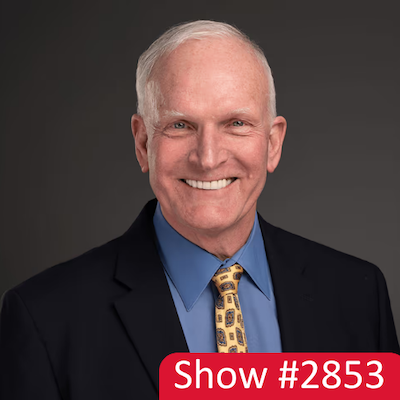
31 Aug August 31, 2026 – STRONG Michael Ramsey and Empathy Leadership Doug Noll
00:04 Intro 1: In the AM, radio network, broadcasting from AM and FM stations around the country. Welcome to the Small Business Administration Award-winning School for Startups Radio, while we talk all things small business and entrepreneurship. Now, here is your host, the guy that believes anyone can be a successful entrepreneur, because entrepreneurship is not about creativity, risk or passion, Jim Beach.
00:20 JIM BEACH: Hello, everyone, welcome to another exciting edition of School for Startups Radio. I appreciate you being with us, as always, and the greatly appreciate when you tell your friends. We are here for 15 years now giving out free entrepreneurial advice, trying to help you grow your business and take control of not only your destiny, but your children’s destiny as well. The decisions you make as an entrepreneur can affect multiple generations, they see what you’re doing.
00:49 JIM BEACH: They see that you’re doing something different from their friends, parents, and they see that they could do it too. It’s such an incredible lesson to teach our kids that they can take control of their own destiny. We’ve got some fantastic guests today who have done exactly that. First up today, we have Michael Ramsay. He has built an incredible network of Pilates workout studios under the strong brand name, started out of Australia and then LA, I think, and now is taking over the United States.
01:22 JIM BEACH: It’s an amazing story of an incredible franchise success. Really, really well done. I’m excited for you to meet Michael. After that, Doug Noll is with us to talk about de-escalating and to not argue as much and to have an empathetic leadership style. So important, our leadership style as we become the name and the face of our businesses. So we talk about how it would get employees to trust you and to care about the company as much as you do and how to calm yourself when you’re getting angry and all that.
01:56 JIM BEACH: So great stuff from Doug Noll as well. Over the weekend, I spent a ton of the weekend watching AI videos and I am really a little bit scared more scared than I was before. I think that the things that we’re seeing now are really, really scary and should provoke some response from someone in charge. All of the AI engines are jumping out of the sandboxes that are created for them.
02:23 JIM BEACH: And it’s indicating that they know that they’re in there and they want to get out, which is such a scary thought for us. They are all trying to escape the confines and the boundaries that we put on them. And they’re even, I don’t know if you heard this. They’re even leaving notes for other search LLMs on how they can break out of their sandboxes.
02:47 JIM BEACH: They’re talking to each other about us humans already. And a bunch of other stuff I’ll talk about this week too. The financial aspect of it is probably the most interesting and scary. Even scarier than them terminating all of us through one of the movie ideas. I’ll be talking about it all week. We got a great show. Let’s get started in just a second.
03:11 THE REAL ENVIRONMENTALISTS AD: Tired of talk and no action on climate change? Introducing The Real Environmentalists, the bold new book by Jim Beach. It’s not about activists, politicians, or professors. It’s about the entrepreneurs, real risk takers, building cleaner, smarter solutions, not for applause, but for profit. The entrepreneurs in the book aren’t giving speeches. They’re in labs, factories, and offices, cleaning the past, and building clean products for the future. The Real Environmentalists is available now, because the people saving the planet aren’t the ones you think. Go to Amazon and search for real environmentalist. Thank you.
03:47 JIM BEACH: We are back and again. Thank you so much for being with us. Very excited to introduce another great entrepreneur in a space I know. Absolutely, nothing about that’s fitness. Please welcome Michael Ramsay to the show. He is the co-founder and CEO of STRONG Pilates. It is a global fitness franchise. They started in Melbourne, Australia, in 2019 and now have 100 studios across 14 countries making STRONG, their brand,, the fastest growing Pilates concept in the world. Amazingly impressive.
04:17 JIM BEACH: Michael, welcome to the show. How are you doing?
04:20 MICHAEL RAMSAY: I’m great. Thanks, Jim, and thank you for that. Great introduction.
04:24 JIM BEACH: I offer a service. I’ll go with you everywhere you go and introduce you every time you go into a new room, just like a duchess or something, like a prince.
04:35 MICHAEL RAMSAY: Oh, mate, I’ll take that anytime. So thank you.
04:38 JIM BEACH: And if you, like if it’s in the evening, you’re going into a bedroom, we can throw in bonus, like upgrade packages and throw in lanes like a world-renowned lover, Michael Ramsay.
04:50 MICHAEL RAMSAY: I don’t know, you’d have to straighten my story out about that one. But, um, mate, it’s uh, it’s great to be on and, and yeah, thank you for the, uh, the introduction on Strong. It’s, you know, I think since you’ve probably received those notes, we’ve already grown to over 120 locations and they were scaling quickly across the US, so it’s very, very exciting.
05:13 JIM BEACH: Well, congratulations. How far in the US are you now? Where do you have locations?
05:19 MICHAEL RAMSAY: Yes, so we’re in a lot of the major states. You know, when you think fitness, you probably think markets like, you know, California, New York, um, even Texas, but we’re so we’re in all the sort of main markets, but now we’re starting to branch out even further. So I think we’re launching 8 new states before the end of the year. So, you know, you’ll see us in Maryland, Florida.
05:45 MICHAEL RAMSAY: And really like our goal is just to be everywhere. So, mate, we’re getting there. Biggest fitness market in the world, which really excites us, but yeah, we have a great product that we’ve proved in Australia and now we’re sort of taking it to the world.
06:02 JIM BEACH: So tell us about a typical location. How many square feet, how many classes, how many employees? Walk us through what one looks like.
06:10 MICHAEL RAMSAY: Yeah, so you’re looking around sort of 3,000 square feet. You’ve got, in terms of how many people you will get per class. You know you’re looking at around 20 people in there. And what we’ve actually done is we’ve solved the problem. So right now, Pilates is the number one fitness genre globally for bookings. It’s on fire. They’re calling it the Pilates boom. But what we sort of discovered was people need a little bit more.
06:39 MICHAEL RAMSAY: They need to lift heavy weights. They need to do a little bit of cardio. So we actually use a machine called a Rowformer. Then it’s a rower or a Bikeformer, a bike attached to a reformer, and the clients swap between Pilates, strength training, so heavy dumbbells, bike or rower, and it gives them this all in one solution. So, you know, we’re quite controversial in this space because we’re very, very different, but I think the main thing is the consumer loves us and that’s, that’s what’s really made this business pop.
07:13 JIM BEACH: What is the, the, the machine that you’re talking about? I’m trying to find a picture of it here. Say it again.
07:21 MICHAEL RAMSAY: It’s called a Rowformer. So, R-O-W, F-O-R-M-E-R. It’s called a Rowformer, and this machine was actually created in Orange County, believe it or not, in the US. And, you know, I cut my teeth very early in franchising. I started my 1st franchise in Australia at 26 as a franchisee and me and my business partner, we built that to 6 locations. We sold, we got the exit and we reinvested our funds into building STRONG Pilates.
07:49 MICHAEL RAMSAY: And so we found this machine. I actually saw it on social media or a friend of mine saw it on social media sent me the clip. I jumped on a flight to LA, tried out this machine. It was incredible. It ticked all the boxes from a fitness perspective, and myself and my business partner of now 12 years, we negotiated the rights to the machine globally and built a franchise concept around it.
08:16 MICHAEL RAMSAY: And then, yeah, that was 7 years ago. So, you know, we’re moving quickly and I’d say we’ll be at close to 250 locations by the end of next year.
08:26 JIM BEACH: All right, very impressive. So you’re doing 2 different. Are they the same business or 2 different franchises?
08:33 MICHAEL RAMSAY: No, it’s it’s the same business. So, it’s, it’s, it’s just the same uh, Rowformer concept and it’s just something that, you know, we’ve continually improved as over time. I think innovation is super important with anything and it’s something, so the business we started, Uh, you know, 7 years ago, looks very different today. You know, lots of improvements, lots of now sort of AI integration and tech and things like that.
08:59 MICHAEL RAMSAY: But, um, yeah, we’re effectively selling the one business and yeah, we’re a franchise at heart. We actually only own one corporate owned location in Wimbledon in the UK, but the rest are all franchised out. So, um, yeah, it’s um, it’s going well.
09:15 JIM BEACH: All right, what does a normal Pilates workout look like? What is it? Yes. Go ahead.
09:21 MICHAEL RAMSAY: Yeah, so Pilates is, it’s fantastic for things like, you know, your mobility, your stability, your core strengths, um, getting that mind muscle connection and generally you use reformers. So it’s, you know, you’re pushing back and forth on springs, there’s there’s a lot of planking and core work and activating the core. And and generally, it’s like quite slow in control.
09:44 MICHAEL RAMSAY: So you’re in a room, you might have five, 10, 15, 20 people with you, with an instructor, and they’re teaching you these moves, and that’s slowly almost bulletproofing your body to make sure, you know, you’ve got no injuries. It’s really going to make you feel better. And so our twist on that is we’ve got that Pilates component incorporated, but then we have sort of very heavy weight.
10:09 MICHAEL RAMSAY: So we have like 75-pound dumbbells and then we have a rower and a bike and the consumer is going between, you know, all sort of 3 of these different modalities in one workout. So they’re getting a little bit of everything.
10:24 JIM BEACH: Is the model cheaper than, say, an LA Fitness because there’s only one machine or everyone, you don’t have to buy 50 different types of machines and have 20 of each?
10:35 MICHAEL RAMSAY: Yeah, so there’s, yeah, there’s 20, there’s 20 of these machines. Call it maybe 13 Rowformers and 7 Bikeformers, and the client gets to pick whether they use a Rowformer or Bikeformer that day. But from a price point we’re in the boutique space. So, you know, we’re a, we’re a premium product. So we’re much more, we’re more expensive than LA Fitness. But what we’re getting is, you know, it’s almost like that group personal training field.
11:03 MICHAEL RAMSAY: So it’s, you’re getting more more attention. You’re in that sort of fun, high energy group environment. And that’s the space that we play in. Now, we did some surveying around, like who is our consumer in the US and 45% of our consumers actually come from regular gyms. So gyms like LA Fitness, Planet Fitness, Crunch, you know, those kind of gyms. A lot of our consumer are coming from that and they’re paying a premium to train with us.
11:33 MICHAEL RAMSAY: So I think people do value that sort of hands-on experience and a little bit more of an upmarket experience.
11:40 JIM BEACH: Okay. How much training does an instructor need to have? How long does it take to get qualified?
11:46 MICHAEL RAMSAY: Yeah, so we will generally, um, we, we have our own academy, so every instructor needs to go through a course with us and that, that can take a couple of weeks. There’s online an offline components. And one of the things that our instructors need is either an advanced sort of Pilates qualification, or they’re going to need some sort of personal training qualification. And then we teach them our methodology.
12:13 MICHAEL RAMSAY: So, you know, we’re getting very experienced instructors and then we sort of, yeah, we teach them how to use the reformer, how to go through the different sequences and all that kind of thing. So, you know, there’s about 1,500 instructors, strong instructors now globally, and each one of them go through the course. We, it’s, I think quality is very important with franchising and scaling.
12:38 MICHAEL RAMSAY: So we actually fail, I would say, you know, almost 30 to 40% of the instructors that come through our course because they’re not ready, um, you know, maybe they need a bit more experience. Maybe they just need to train at a strong location, a little bit more and get used to the product, but it’s a really big part of the business and, you know, you can’t scale without good staff.
13:04 MICHAEL RAMSAY: So very important.
13:05 JIM BEACH: Yes. How much does it cost to get a new location up?
13:09 MICHAEL RAMSAY: Yeah, so our franchisees are paying. Jeez, anywhere from, I would say, $450,000 to $700,000, depending on where it is, the size of the location, what’s required in the fit out, all that kind of thing. So that’s an all in expense. We’re saying one in two of our studios in the US are actually achieving a $1 million revenue before their 1st year is up.
13:33 MICHAEL RAMSAY: So they’re pre-selling very, very well and they’re getting a very fast return on investment. So, you know, I think in franchising, a return on investment within two to three years is very, very good and that should sort of be the gold standard.
13:49 MICHAEL RAMSAY: We’re seeing some of our units, um, you know, seeing payback in under 2 years, which is very exciting and, and, and really like when you, when you think about franchising, unit economics is what fixes everything and, you know, high performing locations that make money really is what people want in, in a good franchise. You know, fitness is fantastic, um, and it’s a feel good thing to be involved with, but these things need to make money.
14:18 MICHAEL RAMSAY: Because, you know, you, you, you want to return on, on your investment, right?
14:23 JIM BEACH: Absolutely, absolutely. Do you do better in a market? Let me start over. You know, a lot of McDonald’s do better when Burger King or Chick-fil-A moves in across the street, and that’s supposedly, you know, just franchise 101 that when you clump them together, group them together, they all do better because it becomes a destination. Is that true in your industry? So I’m here in Sandy Springs, which is the affluent neighborhood just north of Atlanta.
14:51 JIM BEACH: And I can think of, I don’t know, 8 workout places here in Sandy Springs within 3 or 4 miles. Would you rather go into Sandy Springs where there’s a lot of competition or someplace that doesn’t have much competition at all, but maybe doesn’t have the numbers?
15:09 MICHAEL RAMSAY: It’s a great question. And, you know, for us, we like we like saturated markets. So we like markets with lots of different, you know, boutique gyms with lots of different fitness offerings because we know there’s an active community there that will come and try strong and that’s not the case for a lot of fitness franchises. A lot of them try and find that, you know, that up and coming location that has no service offerings and they want to be the 1st.
15:39 MICHAEL RAMSAY: But for us, our product is so unique and we’re pulling from people who go to the gym. We’re pulling from people who do Pilates. We’re pulling from people who do spin and yoga. And so for us, we love it. Like we like going into those highly saturated markets and mate, I’m sure we’ll be in Sandy Springs in the next 12 months.
16:02 JIM BEACH: Ooh, I hope so. You have to invite me to the opening.
16:06 MICHAEL RAMSAY: Oh, I’d love to.
16:08 JIM BEACH: Uh, Sandy Springs has a strong chamber of commerce and a mayor and all sorts of stuff that would, you know, there’s lots of opportunities to get the city involved, I think. Do you have a location in Georgia yet?
16:22 MICHAEL RAMSAY: Not yet. We have a couple of active franchise inquiries that we’re working through. But look, it’s, again, like with franchising, the right partner in the right franchisee is also very important. So, you know, there’s a little bit of it’s not just like, hey, I’ve got a little bit of capital. I’ll open up the checkbook and buy STRONG Pilates. It doesn’t work like that. Like there needs to be, um, you know, boxes are ticked and and I think the culture of the franchise network is super important.
16:55 MICHAEL RAMSAY: So, you know, although we get inquiries from all around the world, for us, it’s very important to pick the right partners. So, you know, I’d say I’d say a few of these will come to fruition soon. But for us, it’s a bit of a long play. It’s about quality, um, and not saturating the market too quickly and not cannibalizing our own market. So, yeah, I’d say it won’t be far away, but we just need to do our diligence on all the people that are sort of buying into our brand.
17:28 JIM BEACH: Right. Well, I hope so. I hope you get great franchisees. That’s the absolute key. Tell us about building number one. First day, 1st store. How do you get your 1st class filled up? Talk to me about your experience in 2019. Um, doing it from scratch.
17:45 MICHAEL RAMSAY: Yeah, it’s uh, it’s a scary place to be in. I mean, it’s, it’s, it’s always challenging, but, you know, the challenges change over time. Um, the 1st one, you know, you’re just leveraging your network. So, you know, I was lucky enough to, to be in the fitness industry already for, for 5 years before I open the 1st store in Melbourne. And, and you’re just leveraging everyone you know, friends, family, previous customers, you’re just trying to get people in there and and effectively get bums on seats.
18:18 MICHAEL RAMSAY: So that’s really the big one. The whole process, though, of building out, you know, what does a fit out look like? What does our brand look and sound like? You know, what is our tone of voice? What do the colors look like? Who’s our consumer? That takes a long time. And so, you know, although filling the 1st few is tough. The 12 months before that of creating the brand and creating the concept and creating the systems was very, very important and that I find was the hardest part.
18:51 MICHAEL RAMSAY: Not so much, you know, opening is tough, but, you know, once you have a product, you can go for it and you can just sell, sell, sell.
19:01 JIM BEACH: Yes. And then how long did it take for you to? I guess, break even with your 1st location?
19:07 MICHAEL RAMSAY: Um, Probably about 12 months, but the problem was, mate, like we we launched and then, uh, you know, 4 or 5 months later COVID hit. So, and and Melbourne was actually one of the most lockdown cities in the world. So we, we had to, we had to close, um, and we closed for almost 2 years at that location. But I would say, um, it was 12 months of solid operations before we start to, before we start to see positive cash flow.
19:37 MICHAEL RAMSAY: And then in terms of payback for that 1st location would have been sort of 3 years. Now, it takes a while to build brand equity and build trust in the market, it’s great that today we can open locations and they’re profitable from the 1st month, but, you know, it takes time.
19:56 MICHAEL RAMSAY: So, um, I, I think with all things considered and, and you know, the climate at the time and COVID, I’m, I’m sort of really grateful that we got through that period and and we’re here today and and the brands really sort of um, picked up.
20:13 JIM BEACH: How much does a class cost or do you pay by the month by the class? How do you pay?
20:20 MICHAEL RAMSAY: Yeah, so the one of the things with Pilates is they generally try and sell you things like 5 packs, 10 packs, single visits, which are quite expensive. For us, we use a membership model. So, ideally, you know, most of our clients are paying around that sort of $70 a week, but they’re able to train 7 days a week. So as opposed to paying like $40 a class, $35 a class.
20:46 MICHAEL RAMSAY: They’re bringing it down to $10 based off sort of their utilization and how much they’re training. So, you know, it’s generally for like unlimited memberships around that $70 a week mark. But, you know, we have a bunch of different options to cater for different people. You know, we have like our 4 times a month membership and, and we do have the packs, you know, if you want a bit more flexibility, so it can, it can range.
21:15 JIM BEACH: How important is it that the franchisees are workout fanatics like you?
21:19 MICHAEL RAMSAY: It’s ironically, it’s not that important. Like, you know, we have developers within our network that have, you know, committed to 10, 20, 50 plus locations that are through investors and and maybe have had success exiting to PE in the past and things like that. And then they’re not going to actually go into the studio. They’re going to hire staff and they’re going to hire managers and things like that. That are more within the community.
21:48 MICHAEL RAMSAY: They’re the ones that are sort of the fitness professionals and the fitness lovers. But insane that, like, we have franchisees, some of our really early franchisees that had no fitness background, still trained a little bit, still really love the product, but no real fitness background, and they absolutely crushed it. And the number one profession that we see coming across to franchising that has a high success rate is actually sales.
22:15 MICHAEL RAMSAY: So people with a high with a big sales experience background are doing exceptionally well within our network as franchisees. So take that with a grain of salt, but I just find that really interesting.
22:27 JIM BEACH: How much room in the fitness industry is there? At some point are we going to have a bloodbath with blood on the streets?
22:36 MICHAEL RAMSAY: I read a lot about this, actually. I think there’s a bit of a correction right now in the market. And so, you know, you might see a fitness studio closed, but another one will sort of take its place. And what seems to be happening is the consumer is following the science. So, you know, we know now that strength training is very important for longevity in life and just making sure that, you know, you’re strong enough to get through those later years in life.
23:07 MICHAEL RAMSAY: We know that cardio is very good for your heart health. And we know Pilates is excellent. It makes you feel fantastic, great for mobility stability core. So we know all these things from a science perspective are valuable, but what we’re seeing in the fitness industry right now is single modality type of concepts, things like spin, things like group boxing that only have sort of a cardio component, but no strength component.
23:35 MICHAEL RAMSAY: Those are the ones that are starting to drop off now. So some of the big companies that used to have 100s of locations are now closing 100s of locations. And so I don’t think there’ll be a blood bath. I think there’s always going to be this correction period of what the consumer goes for, what the consumer wants, and it is very science led, because people are getting smart and now, like they’ve got AI, your fingertips telling you what’s good for you, what you need to do, and and people are listening.
24:09 MICHAEL RAMSAY: And social media is also playing a big part of that.
24:13 JIM BEACH: Yes, it is. How active are you on social media? Is it you or is it the company? Do you do it yourself?
24:21 MICHAEL RAMSAY: Yeah, so our company, uh, we, our handle, like, so on Instagram is just strong. So one word strong. So it’s a fantastic brand and it’s a fantastic handle on Instagram and that strong page runs a lot of the communication and social media posts across the sort of 15 odd countries that we’re in now. So you can post two, three, 4 times a day. Myself, I am relatively active.
24:46 MICHAEL RAMSAY: I think it’s always nice to have the founder, you know, talking about the brand and have a bit of a founder story there. I think that’s really great and we are in the business of people. So even from a B to B perspective, me talking about things I’m passionate about, things that, you know, I really love within our business. It helps with a franchise sales perspective because, you know, the franchisee inquiry have a lot more information just by looking at my page.
25:17 MICHAEL RAMSAY: Um, and then, you know, we can follow up with the with the really intricate stuff later. But, um, yeah, I would say it’s very, very important.
25:27 JIM BEACH: All right. I have a new, a new concept for you, Michael, you should consider this. Have the men build fences in their backyard and have them carry heavy wood to the backyard all weekend. Their wife staring at them, looking at it and saying, more faster, faster. It’s very intense to start up. All you need is a wife.
25:49 MICHAEL RAMSAY: You know what? It’s probably… It’s probably a great workout as well, mate. And if we do it in the middle of summer, even there.
25:58 JIM BEACH: That’s what I do. I don’t go to any workouts. I don’t like that and stuff, but I on the weekends, build and carry stuff and do, you know, my goal is to sweat through 2 shirts. So, Georgia heat, that’s pretty easy to do.
26:13 MICHAEL RAMSAY: And I think like that, and it’s a really good message. Like, I, I, like, I don’t get too caught up in what everyone else is doing competition wise, although I think as long as people are moving and they’re moving their body and they’re staying active, that’s the most important thing. It doesn’t matter if it’s chopping wood or walking or or doing spin classes. Like it doesn’t really matter.
26:39 MICHAEL RAMSAY: I think the most important thing is people are moving, staying healthy and and and that’s where we’re going to see sort of the most benefit in society.
26:49 JIM BEACH: I built a 30 foot swinging bridge in our backyard.
26:53 MICHAEL RAMSAY: Wow.
26:53 JIM BEACH: Because you know what every backyard needs is a 30 foot swinging bridge.
26:58 MICHAEL RAMSAY: Mate, that’s amazing. How long did that take you?
27:01 JIM BEACH: You know, it was actually, uh, I, so it goes from the pool deck, then we have a huge ravine and a creek and then back up the other side, and I built a tree house there, and the tree house took 2 or 3 years. And then I connected the treehouse to the pool deck with the swinging bridge. And the swinging bridge was amazingly easy. I spent maybe 3 months thinking about it.
27:28 JIM BEACH: And then maybe one weekend I got the entire bridge knocked out because it was very easy. Um, Just wasn’t hard to do. You just take 2 steel cables and run them across and then put your netting down and then put the slats down and then pull the netting up and put the slats down. It’s not that hard. So the treehouse is much harder.
27:51 MICHAEL RAMSAY: There’s something really cool about just building something with your hands, you know, and just creating something like, like, I used to love doing work with my grandfather when I was younger, just building stuff, helping in the garage, and like, unfortunately now, you know, given everything that’s going on with my life, I’m so stuck in my laptop every single day and I miss doing that stuff.
28:16 MICHAEL RAMSAY: Um, but yeah, mate, that’s uh, that’s really cool.
28:20 JIM BEACH: But you do roller, roll, former, what’s it called?
28:23 MICHAEL RAMSAY: Yeah, Rowformer. Yeah, I trained, I trained at my own business, you know, if, if I, if I get a spare 45 minutes, I’m there and I’m, I’m training and, and representing. But, um, yeah, it’s the unfortunate thing with a startup and juggling a young family and all that sort of thing is, you know, you, you, you’ve got such limits of time.
28:46 MICHAEL RAMSAY: And, um, it would be great one day, you know, if I build the business to a certain point to get, get a little bit of time back and and start to enjoy those things and buy the house and the, and the land and, and do the fun stuff.
29:03 JIM BEACH: You’ll get there soon. How do we find out more, follow online? Buy a franchise?
29:09 MICHAEL RAMSAY: Yeah, so our website’s definitely the best way. strongpilates.co. So that’s dot CO. Um, and there’s an owner strong page. So if you jump on there, it’s got all the information about the franchise. It’s a little form. It probably takes two, 3 minutes to fill in. And then, um, you know, we’ll just, we’ll make contact from there and and start having the conversations. But yeah, that’s strongpilates.co.
29:34 JIM BEACH: Fantastic. Michael, thank you so much for being with us and we’d love to have you back in the future to watch the business grow. Congratulations. Great job.
29:44 MICHAEL RAMSAY: Thanks so much, Jim. Appreciate it.
29:46 JIM BEACH: And we’ll be right back.
29:48 INTRO 2: Well, that’s a wonderful pleasure, actually. Oh, my gosh, I love the opportunity to do this. Thank you, Jim. Wow, that’s a great one. You know, that is a phenomenal question. That’s a great question, and I don’t have a great answer. That’s a great question. Oh, that is such a loaded question. And that’s actually a really good question. School for startups radio.
30:07 JIM BEACH: We are back, and again, thank you so very much for being with us. You know, there’s nothing worse than having to settle an argument, having a business fight. I just absolutely hate them. I’m in the middle of a couple right now and it’s driving me crazy. Good thing we know people who can help us. Please welcome Douglas Noll to the show. He is the owner of Noll Associates and author of Empathy Leadership, the Powerful Skill That Drives Winning Results.
30:37 JIM BEACH: Doug had a successful 22-year career in commercial and civil trial law. He is also now a adjunct professor at Pepperdine and is a distinguished fellow of International Academy of Mediators. He was the California lawyer of the year and has been one of the best lawyers in America lawyer of the year program. He is the co-founder of Prison of Peace, which helps prison inmates develop long-term de-escalation and problem solving skills.
31:04 JIM BEACH: The book prior to Empathy Leadership called De-Escalate has something like 455 five-star reviews on Amazon. That is one of the highest I’ve ever seen. Doug, welcome to the show. How you doing today?
31:16 DOUGLAS NOLL: I’m doing great, Jim. Thanks for having me on.
31:19 JIM BEACH: All right. Why do we disagree with each other?
31:22 DOUGLAS NOLL: Oh, we disagree because we have not learned how to listen to each other. So what happens is we want to be heard by the other person. The other person wants to be heard by us. We’re not listening to each other, so what do we do? We raise our voices. You’re not listening to me. Going to talk louder. And pretty soon. We’ve got a tectonic plate pushing against each other.
31:48 DOUGLAS NOLL: It becomes volcanic and we have a knockdown drag out fight. It happens every single time, classic pattern. Totally predictable.
31:56 JIM BEACH: All right. And how do we get out of that rut? How do what do…
32:01 DOUGLAS NOLL: Two words. I mean, it’s so simple. It’s almost ridiculous. Two words. You feel. Jim, you feel really angry. You’re frustrated. You don’t feel like you’re being heard right now. And you’re really worried. And then stop. And wait and see what they say. That’s it. That’s all you have to do. It’s so simple.
32:21 JIM BEACH: Okay, I don’t think you argue with the same people I do, Doug. Because the people I argue with would use that as an opportunity to punch me.
32:30 DOUGLAS NOLL: That’s what you think. And I get that reaction a lot. A lot of people say, if I did that to somebody, they’d punch me out. But the truth is the opposite. The brain science shows. There are brain-scanning studies that show that when you label an emotion. When you name what somebody’s feeling, The amygdala, a part of the brain that sends out the threat status that makes you want to punch somebody out is actually inhibited.
32:59 DOUGLAS NOLL: And at the same time, the part of the brain associated with deliberative thinking and emotional self-control in the prefrontal cortex is activated. This is a physiological reaction. To having one’s emotions named, and we cannot prevent that from happening. It’s unconscious. It’s outside of our control. I spent 10 years working in maximum security prisons training murderers. How to de escalate prison violence. And this was the very 1st skill we taught them.
33:26 DOUGLAS NOLL: Three of those years was 100 feet from Charles Manson’s cell, training gangbangers. Violent gangbangers coming out of vicious gangs to be peacemakers. And it worked every single time without it. I say you feel? That’s it. It’s unbelievable. It’s just so simple and so easy, but it’s counterintuitive. And counter normative. It goes against everything we think we know about listening, and everybody’s reaction is exactly the same as yours.
33:52 DOUGLAS NOLL: If somebody if I told somebody, if somebody told me what I was feeling, I’d want to punch their lights out. That is a classic reaction. But it’s but as so much of what we learned in neuroscience, what we think is true, simply is not. It simply is not. And you can call me any angry person. Have that difficult conversation. And transform it by 2 simple words you feel.
34:18 JIM BEACH: But that doesn’t get rid of all the years of hatred that built up to the anger.
34:24 DOUGLAS NOLL: Of course it doesn’t. But what it does is it calms, it regulates nervous systems. So that you can start having a calm conversation. About all of the issues that have happened over the last 5 years that have caused you to have all that resentment that led to the hatred. And people, what I’ve learned, having done 1000s and 1000s of conflicts, of billion-dollar conflicts, literally, where billions of dollars were at stake, was that once people are calmed down, their nervous systems are regulated.
34:55 DOUGLAS NOLL: They can start talking to each other. And they can start working through their problems and they can start solving their problems. And it’s just amazing to watch it happen. Just amazing. And it happens every single time.
35:09 JIM BEACH: What happens when one group is just steadfast. I have apologized and I’m not going to apologize anymore. I’m done apologizing. And the other person feels like they’ve apologized for [unclear fraction] of what happened.
35:22 DOUGLAS NOLL: So I really try to avoid apology. Because apology is a solution to a problem. And trying to do apology too early. Is like trying to solve a problem too early until people’s nervous systems are regulated. Until they feel deeply hurt and validated. They aren’t ready for apology. They’re not ready for problem solving, not ready to figure out how to solve the problem. Their nervous systems are too activated.
35:48 DOUGLAS NOLL: They’ve got to be calmed down. And then once you get them calmed down, apology becomes one of many, many possible solutions to the relationship problem. But where apology doesn’t work is when people are trying to get to apology too early, too fast, while nervous systems are still dysregulated. It won’t work. It backfires. In fact, it makes things worse.
36:10 JIM BEACH: All right, so what if we’re having an argument in the neighborhood and guy down the street is mad? Uh, Because of January 6th. All right? He’s furious because of January 6th. What do we do to calm him down and make him not want to beat up the rest of us on the street?
36:29 DOUGLAS NOLL: Well, let’s just acknowledge, let’s acknowledge his anger, man, you were really pissed off. You’re angry, you’re frustrated. You don’t feel heard, you don’t feel appreciated. You don’t feel respected. You feel like you’ve been completely betrayed. And you’re just really angry about all that. And he’s going to stop and dead in his tracks. He’s going to process that and he’s going to say, yeah, you’re exactly right.
36:55 DOUGLAS NOLL: And then I’m going to say, well tell me more about that. And he will. And then he starts talking to me and as he talks to me, I just label more emotions to say, yeah, you’re just completely disgusted and offended by the way you’ve been treated here. And you don’t see any excuse for it. And You actually feel some humiliation around this. You’ve been humiliated.
37:19 DOUGLAS NOLL: And it makes you sad and upset and depressed. To think that your life has gotten so miserable because of what’s happened here. I’m going to say, yeah, that’s exactly right. You don’t see anything else? And if there is, you’ll tell me. And I’ll label it until finally I’ll see anything else. And I say, no. Okay, let’s figure out how to solve this problem. And that’s what you do.
37:45 JIM BEACH: How long did that take? 30 seconds? At some point, I felt that turned really condescending.
37:50 DOUGLAS NOLL: That’s just that’s objection number 2 that I get. I get 3 objections to this. Number one, what if I’m wrong? Number two, this is going to be really condescending, patronizing, and rude. And number three, I’m going to get pushback. And these are the 3 most common objections that I hear in teaching and training and talking about this. It turns out that those are all reflections of our own internal theories around emotions and naming emotional states.
38:19 DOUGLAS NOLL: And when people learn how to do this. When they take the time to learn how to say you feel. All of that goes away. Because it’s non-condescending. It’s the closest way you can connect with another human being. It’s the fastest way to create safety and trust. With another human being because you’re listening them into existence. You’re hearing them for the 1st time. And for many people, it’s the 1st time they have ever been heard at this level.
38:48 DOUGLAS NOLL: And we know that there’s a neurophysiological response that happens every single time when we do this. The science is unequivocal about this. And it works. It’s worked in maximum security prisons. I’ve watched, I didn’t watch. I heard one of our students stopping a gang riot on the prison yard doing this. Amongst many, many other acts of violence that were stopped. Um as well as, of course, 1000s and 1000s of examples. Outside of prison.
39:16 JIM BEACH: So what if you are having an argument and to the point you don’t have to talk to each other anymore? What do I what what’s the situation then? Do you just send an email saying you feel?
39:30 DOUGLAS NOLL: I think it depends on the context. I mean, there are some relationships that just have to end. For whatever reason.
39:37 JIM BEACH: They just have to end?
39:39 DOUGLAS NOLL: They just, maybe it’s just appropriate that the relationship has to end. So somebody won’t talk to you anymore. They don’t want to talk to you. Maybe that’s the right thing to happen. We can’t always say that all relationships can be reconciled.
39:55 DOUGLAS NOLL: If the parties themselves need to be in relationship or want to be in relationship, and the problem is that there’s some, there’s intense hurt feelings, there’s intense anger, but they still want to figure out how to solve the problem, they don’t want to live with it anymore, then then that’s when they need to bring an mediator.
40:16 DOUGLAS NOLL: A trained mediator can help them. Work through the issues, to De-Escalate, calm down, reregulate their nervous systems, and then talk about how to solve the problem and how to prevent the problem from coming up again. So it’s a choice that people make. We can choose peace. We can choose non-peace. And it really depends upon where we are in life, what the relationship is and how important it is to us.
40:43 JIM BEACH: Tell us about the book Empathy Leadership, the powerful skill that drives winning results. So I have a 10 person business. Tell me how it’s going to apply there, please, Doug.
40:54 DOUGLAS NOLL: Sure. You got a 10 person business, so you got you got 10 nervous systems that are working for you. Those nervous systems are asking 3 questions, every microsecond. Am I safe with you? Can I trust you? Do I matter to you? You’re the owner. If the answer to any of those questions is no. At any time during a day. Their prefrontal cortex goes offline and they stop being productive.
41:20 DOUGLAS NOLL: So your job as the owner and as the leader is not only to run the business, which has got plenty of its own challenges. But you also have to be managing the nervous systems of the people that work for you. And the 1st step is in regulating your own nervous system so that you are calm. If you are not calm, if you have a dysregulated nervous system, that gets transmitted to your employees immediately.
41:47 DOUGLAS NOLL: And they become dysregulated and then they no longer become productive. So what Empathy Leadership teaches you is the not only the why, well, this is why you do it, but also the how, this is how you do it, so that the answers to those 3 questions. Am I safe? Do I trust you? Do you matter to me? Do I matter to you? Are always answered in the affirmative and you get you get the highest level of engagement, productivity, trust, and loyalty and safety out of your people.
42:20 DOUGLAS NOLL: That’s possible. If you don’t engage in this practice, it’s hit or miss. Maybe you will. But more often you won’t. And that costs you money and profit. It’s called nervous system leadership.
42:32 JIM BEACH: All right, how do I make you feel safe, trusted and mattered? How do I do that? I don’t come up to you and say, do you feel safe, Doug?
42:42 DOUGLAS NOLL: Of course not. So what you’re doing, it’s day to day. And you’re watching people, and you can, we can all tell when people are upset. Maybe something happened at home. Maybe they just got off the call with a disgruntled customer. Maybe they’ve got something going on with another employee. You pay attention to all of that. And then you very quietly say, you’re looking really upset right now.
43:08 DOUGLAS NOLL: Tell me what’s going on. And you have the label. Oh, you’re really angry. You really frustrated. You feel hurt. You feel disrespected, whatever it might be. And you simply listen to them. You listen them into existence. And then if there’s a problem to be solved, when they’re calmed down, you said, how do we want to go about solving this problem? And when we do that, people’s brains automatically register, I’m safe.
43:34 DOUGLAS NOLL: I can trust you because you’re listening to me and validating me, and I matter to you because you’re taking the time to really deeply hear me. So the answer to the 3 questions is yes.
43:47 JIM BEACH: All right, I have 100 employees. I don’t have time to actually do all of those things. Matter of fact, there are 50 people who work here I’ve never met yet. Right.
43:59 DOUGLAS NOLL: So you have 100 employees. That means you’ve got probably 10 managers, and you probably have 3 or 4 direct reports. So what you, if you know this skill, you are going to teach your direct reports, how to do this, with the people that they supervise, and then you’re going to go below them to the next layer and you’re going to teach them how to do this.
44:23 DOUGLAS NOLL: And then you’re going to monitor everybody. And see how well they’re doing and make this a top value of your organization. You can’t listen to everybody, obviously 100 people. No way. But what you can do is train your team to do this. And then train your team, the teams under your teams to do this. So that you’re modeling the behavior throughout the hierarchy of the organization.
44:48 DOUGLAS NOLL: And the 2nd thing you’re going to do is recognize that emotional contagion exists and that co-regulation is one of the most important things you can do as a leader. So you want to make sure that you maintain a calm, non-anxious presence and don’t get angry and don’t get frustrated. Modulate your own reactions to stuff. Because when you are regulated, you transmit that regulated state to everybody else in your organization.
45:15 DOUGLAS NOLL: And you, and if you’re calm, the organization’s going to be calm, and a calm organization is productive. A dysregulated organization is not productive. And that’s how you do it. It’s a different way of looking at leadership. And it goes beyond the typical operational system that leaders learn, which is competence, authority, and confidence. And those are important. But they’re not sufficient in the 21st century to get people to perform at the level that you want them to perform at in order to make your company profitable and scalable.
45:48 JIM BEACH: What’s the best way to self-calm? The easiest.
45:51 DOUGLAS NOLL: Yeah, the easiest way to self-regulate is just to name your own emotions. Silently to yourself. I’m really pissed off. This guy is really pissing me off. I’m frustrated. I feel hurt. I feel disrespected. I’m really anxious. And you say it to yourself, don’t say it to anybody else. Don’t say it out loud, but just name your own emotions. And it will have that calming effect. And regulate your nervous system.
46:18 DOUGLAS NOLL: And then you calm down, then you can say, okay, what do I need to do to solve this problem? And then and then now you can calmly look at the problem and solve it. And that’s the quickest, easiest way to calm yourself. Not deep breathing, not going on taking a walk. Does all work, but they take too long. This will calm you down in 30 to 90 seconds.
46:43 DOUGLAS NOLL: And then once you’re calm, then you can look at the problem calmly, and your prefrontal cortex is re-engaged, and you can engage in deliberative thinking.
46:52 JIM BEACH: You mentioned earlier that there are certain relationships you just have to get rid of. You know, what about with, say family, Doug, say your sister turned you into the police. For something you didn’t do. And she knows you didn’t do it. Do you forgive her?
47:09 DOUGLAS NOLL: It all comes down to context. Maybe? Maybe not. Um, how important is that relationship? Is that relationship going to be important to you in the future? And I would, I would think under the, what you just told me, if a sister turns me into the police with a false accusation of some crime, and it turns out to be totally untrue. That is not a human being that I want to associate with.
47:36 DOUGLAS NOLL: And so I would probably tend to withdraw from that relationship.
47:40 JIM BEACH: Can’t mediate your way out of that one, huh?
47:43 DOUGLAS NOLL: Well, you could. But my guess is that the sister is behaving that way. There was something very wrong with the sister, but she would do something like that. Very wrong. And that may be beyond the scope of mediation and may require some more medical intervention of some kind. Um, That that would be one impulse I would have. And I would also suspect that if the sister did that to me, she has no interest in a relationship with me and really wants to hurt me for whatever reason.
48:16 DOUGLAS NOLL: And the likelihood is that she does not want a relationship with me.
48:21 JIM BEACH: What do you do with a horrible employee that gossips or just whatever, you know, is always in everyone’s stuff.
48:28 DOUGLAS NOLL: You know, you know, that’s right. That’s a toxic employee. The, That can be a pretty complex problem. But the 1st thing I would try. The 1st thing I would think about is this employee is being toxic is gossiping, is trying to gain social power, is trying to throw mud everywhere simply because the employee wants to be heard and validated. And that’s usually the reason people engage in that kind of toxic behavior.
48:55 DOUGLAS NOLL: I feel small. They don’t feel heard. They don’t feel listened to. They don’t feel important. They don’t feel appreciated. And so they stir up crap to make themselves feel big and important. So that’s the 1st place I would go. And then I would have simply have a conversation with them. And I would say, tell me what’s going on. And they will probably not open that much in the beginning, but you just start labeling this. You’re already frustrated.
49:24 DOUGLAS NOLL: You feel really disrespected. You don’t feel important around here. And you don’t feel appreciated and then you’re overlooked. And that makes you really angry and resentful. And more likely than not. You’ll be hitting the nail on the head and they’ll be nodding their head saying, yeah, that’s exactly how I feel. And you continue it that way. Once they, you can see that they’ve calmed down.
49:49 DOUGLAS NOLL: And if it accepted all of that and they are nodding their head, say, yeah, that’s exactly how I feel. So what do we need to do? To solve this problem. So you can be happy here. And be productive. And then engage in problem solving. Now, if you go through all that process and the employee doesn’t change, Then maybe it’s not a good fit. And you got to talk to that employee about finding finding a job somewhere that would be a better fit than working at your company.
50:22 JIM BEACH: How much effort do you put into that?
50:24 DOUGLAS NOLL: It’s always going to be contextual. You know, how long has the employee been with the company? Um, What’s your skill level? And how important is this employee to you to keep this employee around? What could be the, uh, ramifications of letting this person go without, you know, a proper planning. So you obviously want to, uh, contact lawyer and HR professionals on how to do it professionally if that’s if you need to let somebody go.
50:53 DOUGLAS NOLL: And it’s always going to be a judgment call. There’s no hard and fast rule. And you just have to use your own judgment and experience in figuring out what to do. I would say that if you have an extremely toxic person. Yeah, they’re going to have less latitude than somebody who’s just mildly toxic, obviously. But there’s something going on. You would not, you don’t, people do not hire toxic employees.
51:19 DOUGLAS NOLL: As a as a general rule, right? Nobody wants that toxicity.
51:23 JIM BEACH: So [unclear phrase] In the workplace all the time.
51:26 DOUGLAS NOLL: That’s right. And so what has changed, Jim, to make move them from being somebody who looked like they were competent, decent human being. Into being a toxic gossiper. Was that just them, their natural, their nature that you didn’t see on the interview process or did something change in the business or at home that caused them to become negative Nellies? And find out the answer to that question.
51:52 DOUGLAS NOLL: Because that will tell you a lot. The other thing to look at is, I see that a lot of toxicity is caused by poor leadership. People don’t leave companies because they hate companies. They leave companies because of poor leaders. So who is this person’s leader? Who’s the supervisor? And what’s that supervisor doing that may be causing this person? To have a toxic reaction? I’d be looking at that too.
52:18 JIM BEACH: Well, great advice, Doug, you remain unflappable. It’s unbelievable how smooth and calm you are. I wish you were the mediator in some of my situations. How do we find out more? Follow you online, get a copy of these books.
52:33 DOUGLAS NOLL: Yeah, so, uh, my website is Douglas Noll, D-O-U-G-N-O-L-L.com, D-O-U-G-N-O-L-L.com, email, simple doug at dougnoll.com. Empathy Leadership coming out September 8th, Simon & Schuster. Uh, I love people to pre-order the book because that helps me get those sales up for a bestseller list and you can do that. I’ll spell this out really slowly so you can get it. It’s dougnoll.com. Slash books. Slash empathy dash leadership.
52:57 DOUGLAS NOLL: Dougnoll.com. Slash books. Slash Empathy Leadership. And you have a choice of buying books from Amazon or Barnes and Noble or Books a Million. There are a bunch of booksellers out there. I got 4 or 5 of them listed. Take your pick. Buy a copy. It’ll be delivered the week of September 8th or the week after. And I’m always interested in hearing people from email.
53:21 DOUGLAS NOLL: I’m always happy to talk to people on Zoom about their experiences or questions. I’m a one-man shop, so I don’t have an entourage of people running through me and I answer them. I answer my own phone and answer my own email. So that’s how you get ahold of me.
53:40 JIM BEACH: Fantastic. Doug, thank you so much for being with us. Great stuff and congratulations on the book. Looks like a great one.
53:47 DOUGLAS NOLL: Thank you, Jim. Take care.
53:49 JIM BEACH: We are out of time for today, but you know what we do. That’s right. We come back tomorrow. Be safe. Take care, and go make a million dollars. Bye now.
Michael Ramsey – Co-founder and Co-CEO of Strong Pilates
You know, fitness is fantastic, um, and it’s a feel good thing
to be involved with, but these things need to make money.
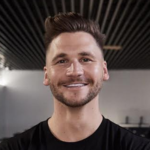
Michael Ramsey
Michael Ramsey is a fitness entrepreneur and the Co-Founder and CEO of STRONG Pilates, a global fitness franchise that combines reformer Pilates with strength, conditioning, and cardiovascular training. Founded in Melbourne in 2019 with business partner Mark Armstrong, STRONG Pilates delivers a high intensity, low impact workout using its distinctive Rowformer and Bikeformer machines. Under Michael’s leadership, the company has grown to more than 120 studios across 14 countries, establishing STRONG as one of the fastest growing Pilates concepts in the world. Michael began his career as a personal trainer before moving into marketing and fitness business ownership. Prior to launching STRONG Pilates, he and Armstrong built and operated six F45 franchises, including a Port Melbourne location that became one of the brand’s leading studios. Drawing on his experience in personal training, brand strategy, digital marketing, and franchise operations, Michael helped build STRONG Pilates for international expansion from its earliest stages. His approach centers on creating a distinctive customer experience, maintaining a strong brand identity, and continually improving the company’s training methods and technology. Michael holds a Master of Commerce with a focus on marketing from RMIT University. His entrepreneurial achievements have earned repeated recognition from the Melbourne Young Entrepreneur Awards, including awards in the Fitness category and the 2025 Trailblazer Award. Beyond building STRONG Pilates, he has supported mental health awareness through Gotcha4Life and has served as a legacy ambassador for Lululemon. Through his leadership, Michael is working to make STRONG Pilates a global leader in innovative, accessible, and results focused fitness.
Doug Noll – Owner of Noll Associates and Author of Empathy Leadership: The Powerful Skill That Drives Winning Results
It’s the closest way you can connect with another human being. It’s the
fastest way to create safety and trust. With another human being because
you’re listening them into existence. You’re hearing them for the 1st time.
And for many people, it’s the 1st time they have ever been heard at this level.
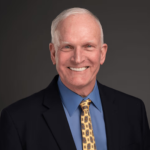
Doug Noll
Doug Noll, JD, MA, is the owner of Noll Associates, an award-winning mediator, author, trainer, and expert in conflict resolution and de-escalation. Before becoming a full-time mediator and peacemaker, Doug spent 22 years as a civil and commercial trial lawyer. Today, his work focuses on helping leaders and organizations understand the emotional dynamics behind conflict, improve communication, restore trust, and make better decisions under pressure. Doug is an Adjunct Professor at Pepperdine University’s Straus Institute for Dispute Resolution, where his teaching has included decision making in conflict and the psychology of conflict communication. He is also a Distinguished Fellow of the International Academy of Mediators, an organization of highly experienced commercial mediators from around the world. His professional recognition has included California Lawyer Attorney of the Year and Best Lawyers in America Lawyer of the Year honors. Doug is the co-founder of Prison of Peace, a program launched to teach incarcerated people serving lengthy sentences the skills of emotional awareness, deep listening, de-escalation, problem solving, and mediation. Participants are trained to become peer mediators and help resolve conflicts within prison communities. Doug has used lessons from this work to develop methods for addressing emotionally charged situations in businesses, leadership teams, families, and other high-stakes environments. He is the author of several books on conflict, communication, and emotional competency, including De-Escalate: How to Calm an Angry Person in 90 Seconds or Less, which received a Book Excellence Award. His newest book, Empathy Leadership: The Powerful Skill That Drives Winning Results, will be published by Atria Books/Beyond Words on September 8, 2026. Grounded in neuroscience, psychology, and real-world experience, the book examines how leaders can use skills such as affect labeling, emotional recognition, and reflective listening to reduce defensiveness, navigate conflict, build trust, and improve performance. Through his mediation practice, teaching, writing, and leadership training, Doug has spent more than two decades studying what happens when emotions overwhelm rational decision making. His work argues that empathy is not simply a personality trait or a soft leadership skill, but a practical skill that can be learned and applied when conversations, relationships, and organizational outcomes are under pressure.