
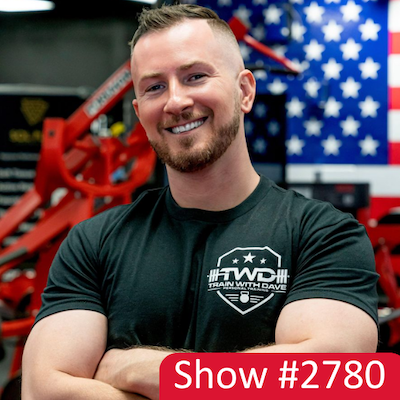
28 Apr April 29, 2026 – Personal Trainer Entrepreneur David Cozzens and Greatest Hits 10 Lawsuits Barry Cohen
0:04 Intro 1 : Broadcasting from am and FM stations around the country. Welcome to the Small Business Administration award winning school for startups radio where we talk all things small business and entrepreneurship. Now here is your host, the guy that believes anyone can be a successful entrepreneur, because entrepreneurship is not about creativity, risk or passion. Jim Beach,
0:26 Jim Beach : Hello everyone. Welcome to another exciting edition of School for startups radio. I hope you’re having a great day out there going up and down on that roller coaster of life that we have chosen to call entrepreneurship, or maybe we haven’t chosen it yet, and we’re trying to decide if we want to become an entrepreneur. You’re here for some motivation and some tips and tricks and techniques to be successful, then you’re in the right place, because we got a bunch of those things. And seriously, look at the website, I bet you $100 that the business that you want to start, someone has already come on the show and talked about how they had success in that exact industry. Our index is so useful. In addition to the search the we worked really hard to keep our index up to date for you, so please go check that out. Our man, Frank is doing a great job there. We have a fantastic show. David cousins is with us. He is a personal trainer, and that usually doesn’t impress me, but he’s done it so well, and has conquered Orange County in Southern California, and his the entire game there. And I love conversations that reinforce my previous ideas about health, and he does that, but he also pre reinforces all my ideas about business and entrepreneurship as well. So David has done an impressive job, and so I’m excited to have him after that, we have Barry Cohen. He is part of our greatest hits. We lost our server with so many of our greatest hits, and so we’re trying to slowly get them back up so that you can listen to them. As I just said, because our index is so important to us. Barry Cohen is an incredible PR asset, and we’ll have him in just a few minutes. Let’s go and get started. We are back and again. Thank you so very much for being with us today. I am very excited to introduce another great entrepreneur. His name is David cousins. His URL is trained with Dave oc.com I think OC is for Orange County. Is that true? Dave,
2:33 David Cozzens : It’s true. We’re in Orange County.
2:34 Jim Beach : He is a multi business, multi location business owner and entrepreneur who has built one of the highest volume personal training companies in South Carolina, South California, South Carolina, no one’s doing training there. He focuses on helping his clients maintain overall fitness and works on practical growth strategies, customer acquisition and retention in his business life. David, welcome to the show. How you doing?
3:04 David Cozzens : Good, good, good. How are
3:06 Jim Beach : You? I’m excellent. So what strategy of health maintenance and losing weight do you believe in? Are you one of the cardio guys, one of the you have to work out to lose weight, lift weights to lose weight. What is your strategy on health and losing weight?
3:25 David Cozzens : Yeah, so I think the big thing sustainability. So where whatever you want to do you have to sustain, get to make sure whatever you’re doing sustainable. So when it comes to losing weight, obviously it’s one, calorie deficit, two, getting your protein up. Three, strength training and being consistent, right? Because I could
3:41 Barry Cohen : Have the
3:41 Jim Beach : Really fast Dave slower, because those are important.
3:45 David Cozzens : Yeah, I’ll go a little slower. So biggest thing for say, weight loss, for example, is being in a calorie deficit. So you have to be eating less calories you’re burning. No one tells you anything else. It’s irrelevant. It’s just calories. Two, want to make sure proteins up. Want to give your body the ability to maintain the muscle mass, because, again, someone’s losing weight, they don’t want to lose muscle mass. They won’t lose only body fat and maintain the muscle and then three, strength training, again, you got your body reason to maintain this muscle mass. That’s your lifting weights. And then four, is just sustainability. Because I can give you the best program, but if you can’t follow it, it’s kind of worthless. So people think, you know, weight loss or getting fit or getting healthy is a no, a quick fix. Got a quick diet. In reality, it’s a lifestyle change. Long as you’re in a positive for a long enough time horizon, you are going to see progress. So that’s really what we focus on, and that’s what landscape most clients results.
4:37 Jim Beach : All right? That makes a lot of sense to me. First, I like the honesty of you just got to eat less, you know. And then I think it makes a lot of sense that the weight training is the way to lose weight. Why does working out with weights lose more weight than running? It seems like if you went running, of course, you would lose all those calories. Explain that.
4:59 David Cozzens : Yeah.
5:00 David Cozzens : Yeah, yeah. So it’s not so much how many cars are burned for the hour. It’s how many calories burned for the whole day. So I use it, use it as analogy. Imagine you have a f3 50 truck, the giant engine, giant car, horrible gas mileage. Does like five miles a gallon or 10 miles a gallon. You can compare that to a two way, to Camry, very small car, very small engine, very fuel efficient. Both vehicles can drive a mile exact same pace, same speed, but the truck’s going to burn a lot more gas, and so your body’s the exact same way. The more muscle mass you have, the bigger the engine is, more calories you’re going to burn doing the exact same thing. And so you can burn more calories in one hour doing cardio than shrink training. But again, if I’m burning more calories throughout the day because that my muscle mass, and I’m going to see results much faster and sustain it.
5:45 Jim Beach : Okay, that makes a lot of sense. Your muscles use more of the fat than anything else, so build more muscle so it eats more fat all the time,
5:54 David Cozzens : Correct? Yeah, so your body means uses calories to maintain both muscle mass and body fat. So body fat is about three calories per pound and muscle mass is anywhere between 15 to 50 and good sweet spot that we say is about 35 calories per pound of muscle mass. So let’s say you put on 10 pounds of muscle mass, you’re burning about 350 calories more per day just off the extra muscle mass.
6:16 Jim Beach : Why do people lose more weight and become healthier? With a trainer, is it all about the fourth piece, the sustainability, the fact that there’s someone there to encourage me?
6:27 David Cozzens : I think it’s a number of factors. I would say one, accountability does help you. Do have skin the game? It does cost money, and someone’s expecting you to be there, so you are more inclined to actually do it. Yeah, I’ll give you example. I I’ve been in industry for almost 20 years. And so even for me, I’m not the biggest fan of working out. So I have a workout partner, basically my Director of Operations, because that is actually my accountability. Had me actually, you know, go there, work out and stay consistent. That being said, too with us, we probably talk to maybe 1000 people a year when it comes to just what’s your goal? What are you trying to accomplish? Most people don’t really have a game plan. Don’t really know how to lose weight when you have so many marketing things out there, like, you know you gotta do keto, keto, you gotta do Atkins, you gotta do paleo. These are all just methods. And so there’s a lot of no marketing and gimmicks and things. And so people, there’s a lot of confusion. So people don’t know actually works. And then also mean strength training. I mean, most people really don’t know how to live correctly. So if you get a trainer that is good, teach you how to work it work out correctly. Teach you how to eat correctly. That’s realistic for you, because you may like fasting, but someone doesn’t want to fast. That’s not going to work for them. So finding a diet program that has worked sustainable for them, then educating them, but also creating a plan for them that’s going to help them again, get to the goal by sustain it. That’s much better than you know, watching a YouTube video and trying to wing it and spend the next five years trying to figure it out. It’s almost like having a mentor you’re bypassing all the time. They’re trying to figure it out. You have someone just telling you what you should do and teaching you how you should do it.
8:01 Jim Beach : How do you choose a personal trainer?
8:04 David Cozzens : Good question. I mean, there’s a lot of them. Sad thing with this industry is there’s really a low barrier to entry. A lot of these independent gyms, you pay 1000 bucks a month and congrats, you’re a trader, you also have three month certifications, and you don’t really learn a lot. So I would say for us, I mean, I only hire people with a minimum bachelor’s Kinesiology. Most of our guys are master’s degrees. So getting someone that’s very educated and knowledgeable, not just like some kid who just got through my certification, in my opinion, you also look at the proofs in the pudding, look at the reviews, look at that before and afters, look at the case studies and see what the clients are actually getting. Because, I mean, someone could say, Hey, I’d probably lose 20 pounds in four months. But if they have no improvement, it’s kind of hard to you know, it’s kind of hard to believe it. But if you see someone saying, Hey, I probably lose 20 pounds or four months, there’s 20 people did that this year alone, you’re much more likely to be like, okay, yeah, this is someone that can help me. I
8:59 Jim Beach : Hadn’t thought about that before and after post our pictures and testimonials of other clients. This is not a service that I would buy, just to be honest, Dave and so I have never looked into it, and don’t, you know, had just never thought about that. It seems to me that testimonials would scream authenticity and success in this industry.
9:19 David Cozzens : Yeah, it’s just like anything. So say you want to hire a business coach, or say you want say you want to hire someone for your marketing like you want to see case studies if they helped a business grow, or if they helped you know someone get from point A to point B, and they did it over and over and over again, they’re much more likely to be able to help you compared to someone who has nothing. And so I think that buys for everything.
9:40 Jim Beach : Good. Point. All right, how do you establish the initial goals with a personal trainer? So I’ve hired you. Then what do we do? What’s the correct first step?
9:53 David Cozzens : Yeah, so I think first one is actually creating the actual long term game plan that’s tangible, then working backwards. So we do. Social consultations, where it’s free. You come in, tell us what your goal is, and we explain to you how to do it, but also break it down step by step. So say you want to get healthy. Like, okay, what does healthy mean? Are you trying to lose weight? Are you trying to gain weight? You want to have ABS showing you just want to feel better. Like, what is it? Do you want to get some sort of tangible goal? Then work backwards from that? So say someone is, you know, once they get a six pack, I say, Okay, six pack for men, it’s about 10% body fat. That’s take your weight and body fat, see where you’re at. Then work backwards. So say they are, you know, 220% body fat. You gotta lose 10% body fat, which is about 20 pounds getting goals, 20 pound weight loss and body fat. Now, how fast you want to do that depending on calories. That’s your calorie target. As long as we do this in the X amount of time frame, you’ll get there in 10 weeks or 20 weeks, whatever it is. So again, it’s just like any other business, where you get the big goal and then you work backwards from that. But it has to be tangible. Because, again, you tell me it’s healthy, like, Hey, what is healthy? Like? You can feel healthy tomorrow. It’s all subjective. It has to be objective.
11:03 Jim Beach : All right, I like that answer. What should a personal trainer cost? What should I plan on paying? Does it depend on the city that we’re in? Is LA and New York a lot more expensive?
11:15 David Cozzens : Yeah, I think it does depend quite a bit. I mean, you have such a range here, like you have kids are charging 30 bucks an hour. And then for me, when I was doing a one on one personally, I was charging 150 plus an hour. So I think it’s for one the demographics. So what’s in the area? So Orange County is more expensive. I would say Orange County, Miami, New York, LA, are probably the four biggest hubs for personal training. That’s where the most competition is. So you do get the best people, most money, but also probably the most expensive, like someone in Newport Coast is going to charge more than someone in, you know, small town in Alabama. So I think it depends on what you’re getting, the experience where you’re at, as well as, yeah, just what the market rate is. There for us, we charge about 60 to 80 per hour, and that’s with a semi private model. And so our guys are all, like I said, bachelor’s, master’s, kinesiology. So they train, they have all trained couple people at a time with their own separate programs. But again, I know I’m beating around the bush a little bit, but I think it just depends. You just want to make sure whatever you’re getting corresponds with what the price is
12:24 Jim Beach : Right and is the number one job of a personal trainer, to be encouraging, to be strict, to be accountable. What do I What is the number one trait that I need to have a successful relationship with a trainer? What is going to make it the most successful?
12:43 David Cozzens : Yeah, I think the trainer needs to be firm, but fair. So obviously, someone’s coming in, they have results. They have they have their goals. They want something, they want to accomplish, and so the the job of the trainer is to help them accomplish that goal. But at the same time, you don’t want to be a drill sergeant, knife hand or face, screaming at him and say, try harder. It’s okay. You have a goal. What’s realistic? That’s no it’s some sort of game plan that holds you to it. And so I think it’s Yeah, accountability, but also educating them. Because I think most people who hire trainers, they really want to learn. Know how to be healthy, how to create a lifestyle change, how to build healthy habits and sustain it, which I think a lot of trainers mess up to say, okay, I can eat full chicken block and recipe meal like and I do this. Why can’t you do it? When reality, most people can’t do that. And so it’s figuring out a game plan that’s best for that trainer or for that client, and then working backwards and help them achieve that while being, you know, firm but fair with what they’re uh, they’re agreeing on.
13:42 Jim Beach : How long does the normal relationship last between a trainer and a client?
13:47 David Cozzens : I’d say market is usually about three, four months. For us, last about six to nine months, but we’ve had clients that have been with us for five, six years, and the clients that did couple months and left. So I think it really just depends the ultimate goal, where the trainer is more proactive, not preemptive. So basically, it’s get someone to their goal, have them understand how they did it, create that lifestyle change, and then the client wants to stay Great. Client has a new goal. Great, but the whole goal of the trainer is to get someone to where they need to be, where they don’t need them anymore. And so we have clients who come in, they’ll lose 30 pounds in six months, and then I’ll see them in five years because and they look exactly the same. It’s because they understood how to do it so gain. I think it just depends on the client, kind of what they need, how much hand holding they want, how much they need to learn, as well as their their own self motivation and accountability.
14:42 Jim Beach : All right, in the Southern California market, is there a sub industry for the celebrities? How does the celebrity piece fit into this?
14:51 David Cozzens : Yeah, so I think most of the celebrities are out in LA. There are
14:54 Jim Beach : Generalists, right?
14:56 David Cozzens : Yeah, I’m South I’m kind of I’m by Newport. Do. There are gyms down here that cater to celebrities. Again, they’re more like, you don’t see them posted on Google and Yelp, and they’re more private. Then if we do have celebrities come in, we just make it very clear that, hey, like, this is a private gym. I mean, yeah, clients aren’t going to borrow them. Like, don’t take pictures and that’s where autographs, like, leave them alone. And most clients are generally pretty like, they’ll see like, Oh, who’s that? Like, this is so and so. Like, yeah, but they don’t bother them. They usually leave them alone, because, again, persons there to work out and be healthy and, you know, not be harassed. And that’s one of the one spots where they won’t get harassed, depending on where they are.
15:41 Jim Beach : And what about influencers taking over a gym and yelling at you if you break their camera angle and all of this silliness and getting mad because women are men are looking at them at the same time they’re building themselves and trying to be, you know, visible. How you dealing with all the social influencers? I
16:02 David Cozzens : Mean, that depends on the culture as well as the rules of the gym. So most of these gyms here, they don’t allow influencers to put up a tripod and take a whole spot and yell at people. That just happens in some independent gyms in certain areas. But I wouldn’t say that’s the norm. And then, yeah, it’s, again, it’s again, it’s on top of that too. It’s just the culture, the culture doesn’t really allow that. Then it’s just not really going to happen again. It’s, I think that’s, you see it a lot in social media, but it is more isolated in certain areas, and it’s not really normal down here at most places,
16:37 Jim Beach : Good. I’ve seen a lot of those videos on YouTube, and they sure are funny in the silliness that they invoke. Dave, there are so many people in your industry, hundreds of 1000s. And as you pointed out, very smartly, very low barriers to entry. I was so excited to hear you say that it proves that you’re you have strong business acumen as well. How are you the guy who succeeded more than hundreds of 1000s others? Why are your business skills so much better than everyone else? What do you know they don’t
17:13 David Cozzens : I would say I probably failed more times than they tried. I can’t tell you how much, how many times I failed, how many times I’ve lost money, how many times I made six figure mistakes? And the thing is, it’s just, it’s all learning, like you don’t fail unless you just give up after it. So I think a lot of people, they they have this idea of, okay, I got to hit X amount of money by one year, I got hit this many times. For one year, they don’t hit it. You go, okay, their minds not going to work. And they go back to the old habits, go back to a little job and quit. So I mean, they’re just saying you overestimate what you can do in one year, but underestimate what you can do in five years. So I’m an old man. That’s an industry. I’ve been to this for almost 20 years now, most trainers last a corporate six months to a year. Most independent trainers last even less than that. And so it’s because it’s hard, but I think doing it, getting the reps in, like I’ve trained probably, man, I didn’t even know, close to 100,000 hours of sessions. My team does 27,000 hours of sessions every single year. So I would say just getting the reps in and it’s learning. I mean, anything you start, you’re just going to suck at and that’s normal. But once you if you do something 10,000 hours, you’re going to be an expert at it. So just don’t give up. Just keep going and realize you are going to suck in the beginning, but just trust the process. You’ll get better as you go. And when you mistake, figure out why you made a mistake. Figure out how to fix it and fix it and keep going. And that’s that’s really it again. That’s for any business.
18:45 Jim Beach : How did you get your first client? How do you what’s your advice on getting your very first client?
18:51 David Cozzens : Yeah, so for me, I started off corporate. So I started off personal trainer, the Winston management realized there was more money over people hate it, so I left, and some clients followed me. So I think I was in a small list with some trainers do that. But I would say if you’re starting from scratch, you want to have something called a loss leader, so no one knows who you are again. You suck. You don’t have any sort of references, you don’t have any sort of marketing documents. So give someone a reason to try you out, and then go from there. So I’ll give you an example. I used to do something where it’s three sessions for 36 bucks. So it’s like $12 a session, nothing, and I’m basically making less than minimum wage. But with that, you can talk to someone, do the sale, practice the console, try to get them on a higher contract, and do two sessions. Try to show the value. Again, if you are bad at it, ask, okay, how to improve on it, and then go from there like you got to give people a reason to try you out, because if you start charging 80 100 bucks per hour and you have no experience, no knowledge, no transformations, no one’s going to listen to you, so do the loss later, give people every possible reason to. To try you out. Give them one hell of a service, make it so there’s no reason why they shouldn’t stay with you and then clip it.
20:09 Jim Beach : And you said to ask your clients for advice on how good a trainer you are. That seems really risky, and gives them the opportunity to I wouldn’t do that if I were gonna be back as a client. That’s scary.
20:25 David Cozzens : That’s, that’s if you’re new, right? And so, I mean, it’s all, it’s all about framing and context. So it’s now, if they don’t want to sign up. So I’d go say, I’m an 18 year old kid. Will start training. I say, Hey, I’m giving 10 people, three sessions, three six bucks. Try it out, see how you like it. And every single one, I’d get the reps in. I’d practice the sale, practice the clothes, run through the sessions, and if they don’t like it, like, Hey, don’t like I said, I’m new to this. I’m getting better. Can I get some feedback on this? Like, what like? What did you like, what did you not like? And how do you go from there? And if they go, Well, you know, it was cool, but we did a lot of talking. He didn’t push me very much. Like, okay, well, if I push you more, are you open to actually continuing? Yeah. Like, okay, well, let’s do this. You give them another deal and try say, oh, that’s I’ll push you the next couple sessions, see how you like it, and go from there. And so they’ll give you, if they give you a reason why they don’t want to sign up, especially when you’re new, it gives you a way to improve, because it Mets feedback, but also gives you a way to counteract that and say, okay, hey, well, if I do push you, or if I do corporate nutrition more, if I do this, like, Are you open to staying a lot of the times they like you, they say, yeah, so it’s a way to recapture that client. And that lead,
21:38 Jim Beach : How do you market and get the clients into a, you know, bundle of three session in the first place. And now that you’re larger, do you have fixed marketing that you do ads? What are you doing now? Yeah, we don’t
21:51 David Cozzens : Do that anymore. So we have multi locations. We have over 1000 password reviews. And so I think we’re the largest in the area, but are gonna be the one of the largest in the nation or the world, so we kind of have a monopoly down here, and so we used to do pre consultations. So if you want to check us out, come in. We’ll meet you for an hour. We’ll sit down talk to you about your goal and where you’re trying to accomplish. We’ll explain to you how to do it. If you want to do it with us, this is the price. If not, hey, don’t worry about it. But I think for and that’s just for us, because they’re going to work larger and having holds part in this industry, so we have the time to do that. If you are new, I would just go through my Instagram or Facebook and be like, hey, you know, I’m starting this service, personal training. You don’t really into fitness. I’m doing three sessions, three, six bucks. Do you know anyone that would want to do this? And I was message all my friends and family, and they go, Oh, I know this person, which a lot of times they’ll say, oh, I want to do it. Then you sell to them, and then you try to flip it so you you basically use your immediate network of people, and then use those people to go to your second, not intermediate, but the second, like level of it. And then from there, you start getting reviews, start getting some traction, then you start getting some content and start marketing. But I mean your friends and family that can get you, that can get you somewhere. Give the example. My fiance is an aesthetician, and I just use my network, and we got her 60 people. We got 60 people in front of her to do facials within like, three months.
23:18 Jim Beach : Wow, that’s a great example. Dave, that’s a really
23:21 David Cozzens : And so I Yeah, so I think just talk to you, talk to your friends, talk to your family. I mean, again, I’m old, so I’m on Facebook. I can message all my old high school friends
23:30 Barry Cohen : And
23:30 David Cozzens : Like, Do you guys know anyone? And like, yeah, that’s you can easily get 1020, 30 people, and then from there, you start building.
23:41 Jim Beach : That is great advice. And what is the single thing that you would look for if you were hiring a trainer? You said that you work out with one of your business partners, if he were to quit working out with you, how would you hire someone to work out and train you?
23:57 David Cozzens : Yeah, I would actually know what they’re doing. So for one, I want to make sure they’re off to doing they understand the science and physiology behind strength training and nutrition, which and then I’d also want to make sure I like them. If I don’t like you and like have to be with you five days a week for an hour. I’m not going to enjoy it. So if I think you’re just boring or you’re you’re cold, or you’re mean, or you’re rash, like I’m not going to work with you. So being a friendly, nice person really goes a long way. Like I know people that hang out with train trainers just because they like them as a human being.
24:33 Jim Beach : How does How do you handle the location? Do you make your clients always come to you? Or do you? Yeah? Okay,
24:42 David Cozzens : Yeah. So they come to us. We are we used to do house calls. It’s just it’s not worth it. We have so many people coming in now, like, if you want me to come to your house, I gotta charge you for an hour to get there, train you for an hour an hour to get back. And it just becomes really pricey, really fast.
24:59 Barry Cohen : You.
25:00 David Cozzens : So it’s just not worth it for us. So we have three locations across central Orange County where we can help people. We
25:08 Jim Beach : Haven’t really talked about nutrition very much, and you mentioned fasting earlier. We only have a minute or so left. How important is fasting? What are some of your nutrition advice?
25:19 David Cozzens : Yeah, fasting is not foreign at all. So all these diets are all just methods. If you want to lose weight, you want to be on a calorie deficit. You want to gain weight, you want to be in a calorie surplus. And so the best way for you to do that, just do it. These fasting, the Atkins, the Paleo. It’s all relevant unless you get to a certain range for 99% of population, calories, one, protein to make sure proteins up, find a way sustain it for solid and that’s really it. It’s nothing else.
25:49 Jim Beach : Okay, good advice. And time of day, eating my last meal, I’ve heard that’s incredibly important. You not buy that.
25:58 David Cozzens : No. I mean, yes. I mean, call protein synthesis. So you want your body to have protein basically all throughout the day. So if you are going to think about a very important time to eat, it may even be right when you wake up or right before you go to bed, because when you’re sleeping, you’re not going to be eating for eight to 10 to 12 hours. Saying how long you want to eat, how long do you want to sleep for? So you want to make sure your body’s adjusting protein throughout that time. But I mean, honestly, if they say don’t eat before you sleep, because, again, it’s messing with your sleep, but also, if you get too late, usually ain’t getting more food in during the calorie surplus. But again, it’s none of it’s really relevant for most people. It’s just get a certain amount of protein in, get the calories up or down, and you’re solid. But if I had to really nitpick it, early morning, right when you wake up, it’s probably a good time to have protein.
26:48 Jim Beach : What about for old people like me over 50,
26:52 David Cozzens : It’s the same. I mean, I think all the people who are over 50, it’s really important to strength train, because, as you know, get past 30, your sauce drone goes down as well as your bone density goes down every single year. So the older you get, the more important is to lift the weights and half protein and strength train. But timing, again, it doesn’t really matter. It depends on the person. Like some people like to fast. Some people like to eat right when they wake up. Some people like to eat before they go to bed. Again, it’s all preference, but again, it’s just calories and protein, it’s all it is.
27:26 Jim Beach : Dave, amazing information. And thank you so much for being with us and sharing your story. Congratulations on being an incredible success. You have done it all absolutely right. How do we get in touch with you? Work with you propose to be one of your partners at a different location?
27:41 David Cozzens : Yeah, definitely. So we’re on social media. Train with Dave Instagram, train with Dave with underscore on Tiktok and train with Dave online through YouTube, website, train with Dave oc.com and I appreciate you having me on this was amazing. Hope I gave you guys some information. And yes, I said I appreciate the call.
27:58 Jim Beach : Well, you were great guests. Great story. I love how smart you are in your field, but then how you got the business stuff right, too, and that’s really impressive. And so that’s why you’re such, you know, taking over the the incredible market there. How many Real Housewives have you trained?
28:14 David Cozzens : We haven’t trained any real housewives, believe it or not. I think there
28:20 Jim Beach : Isn’t that weird? Isn’t the original housewives out of Orange County?
28:25 David Cozzens : I’d have to ask my fiance. I got no idea. I’m so bad at this. Like, I will see celebrities. I’m like, Who’s that? Like, oh, so and so. I’m like, Oh,
28:33 David Cozzens : Who’s that?
28:34 David Cozzens : Like, I’m so oblivious, man, I got no idea. I mean, I’ll see a couple people here and there, but, yeah, you’re gonna be famous, and I’d have no clue.
28:44 Jim Beach : That’s a great attitude, great way to go through life. Dave, thank you so much. We’d love to have you back. Thanks a
28:48 David Cozzens : Lot. Thank you so much,
28:50 Jim Beach : And we will be right back.
28:51 Barry Cohen : You. Olis,
29:04 Intro 2 : Well, that’s a, that’s a, that’s a wonderful question, actually, oh my gosh, I love the opportunity to do this. Thank you, Jim, wow, that’s, that’s, that’s a great one. You know, that is a phenomenal question. That’s a great question. And, and I don’t have a great answer, that’s a great question. Oh, that is such a loaded question. That’s actually a really good question.
29:24 Intro 2 : School for startups radio,
29:28 Jim Beach : We are back and again. Thank you so much for being with us. Very excited to introduce another great entrepreneur and longtime friend of the show, Barry Cohen is with us. He has been providing guest as one of my publicist friends, my PR friends, for what, 10 years now. Barry is that sound about right?
29:52 Barry Cohen : Sounds about right,
29:54 Jim Beach : And is author of a brand new book called 10 ways to get sued by anyone and. Everyone. He has had a really interesting career. He was in radio in different areas himself, and is now worked in public relations for about 20 years, or something like that. Welcome Barry, good to talk to you.
30:16 Barry Cohen : Jim, always good to talk to you and your audience.
30:18 Jim Beach : Well, appreciate you being with us, I want to talk about generic stuff and the book. Let’s start off with some generic stuff. What’s the PR landscape world look like right now? I have certain parts of my show that have dried up, like the fortune 500 guests that want to come out and talk about their newest white paper. That guest is is gone all of a sudden, but other areas are picking up. What are you seeing happening in the media landscape space, especially for us entrepreneur type people?
30:59 Barry Cohen : Yeah, you know what I’m saying. Jim is, is, it’s, it’s the place for the rising stars right now. It’s for the emerging authors and thought leaders. There’s more and more outlets and more and more opportunities for them. Those are the folks that we work with primarily. You know, they’re the ones who are on the way up and the new voices, if you will.
31:18 Jim Beach : All right, well, that’s everyone listening here, so we love to hear that, what about our mix? In terms of our media spending mix is, what are your thoughts on changes where we should be spending our money, where we should not be spending our money? What are your thoughts on media mix right now?
31:39 Barry Cohen : Yeah, great, great question. And you know, I’m not as active as I used to be in media buying, but I can still tell you that TV and radio haven’t gone away. You know, video did not kill the Radio Star. There’s still a place for it, of course. You know, print has gone digital, but you know, the place not to go is just the latest shiny object. You know, every time a new platform opens up online, everybody rushes to it, but that’s not necessarily the right one for your audience. So it’s still all about narrow casting. It’s still about really laser focused targeting of your audience.
32:16 Jim Beach : I love that narrow that makes me so happy. Always, one of my favorite sayings and actualities is that there’s riches in the niches. And yes, I have always just found that to be so true, and it makes it so much easier. It’s so much easier to sell to one group than to everybody.
32:40 Barry Cohen : You know, that’s how we actually started our business. Back in 1998 we had worked for years with the local retail and we knew we didn’t want to do that anymore, and yet we didn’t have a lot of connectivity in Fortune 500 so we looked at the vast middle ground, and then we niched down, and we served the natural products industry for many years. For about 20 years, we worked with smaller companies, of emerging brands, of natural products that were kids safe, pet safe, eco friendly, body friendly. And what you find was, once you get a foothold in there, you know, one leads to another, to another, to another.
33:14 Jim Beach : Very true. Tell us about the book. How’d you do decide to write it? Who is publisher? How’d you get it published. Why? Sure team up with Mitch. He told me that he did most of the work. What are your thoughts on that?
33:29 Barry Cohen : Well, he sourced a lot of the the interviews, and then I did a lot of the editing on it. But you know, the reality is that, you know, this was, you know, 10 ways to get sued was an extension of my 10 Ways franchise. If you recall my my first book was 10 Ways to screw up an ad campaign. The second book was supposed to be 10 Ways to bulletproof a new business startup. The publisher ahead of the time change it to startup smarts. So I decided to take back the 10 Ways franchise and and, you know, the premise of the books. The whole series is all about saving people time, money and headaches. You know the old adage, an ounce of prevention is worth a pound of cure. You know, the book is not designed to replace legal counsel, but the book, if you, if you get into it, you read it, you take the advice in the book, you’ll find, you’ll you’ll be calling your legal counsel a lot less often. So, you know, I I knew Mitch for quite some time. We reconnected over breakfast, and I kind of threw down the gauntlet to him, and asked him if he would co author the book with me. I said, I need an attorney to work on this with me and and he grabbed it. In fact, he said I didn’t think you would. And I said, I’m glad you did. But again, it’s a simple, easy to read book that’s based on a series of interviews that Mitch conducted with various attorneys in different practice areas. So what’s in the book? Okay, what’s in it? For you, the reader, the basics of all the minefield that you’re going to have to navigate the Mitch. You hang out your shingle, you know, there’s somebody lurking around the corner waiting to sue you for something. So whether it’s Employment Practices Liability, whether it’s, you know, sexual harassment, or you know, whether it’s an unsafe workplace or an accident, or whether it’s, you know, the agreement that you you signed with a vendor, the things that you left out of your employee agreements, the handbook that you didn’t supply them with, all those things that you need to know.
35:32 Jim Beach : All right, can we go through some of them and talk about them individually, some of the 10 ways, and we should make a game show out of this and see how many of these I’ve done and gotten. That would be scary. So let’s go through some of them and see if we can
35:50 Barry Cohen : Sure not get sued. Down. Okay, what your favorites?
35:54 Barry Cohen : Yeah, you know, one of our favorites, both mitches and mine, is, is not having, you know, written agreements with your your partners or your vendors. So the whole premise of a book is that you’ve got to reduce everything to writing, right? In fact, we even brought in a memory expert because of the fact that, you know, recall yours is not the same as mine is not the same as somebody else’s, and you can’t rely on verbal agreements. It’s one of the most important things in the book that everybody needs to know. Reduce every agreement to writing.
36:35 Jim Beach : Oh, entrepreneurs are horrible about that. You know, the whole business plan was on a napkin. Why? How do I take that? You know what? I mean? That’s a high challenge. Those are
36:49 Barry Cohen : The drunken business plans. Those were the ones at the bar.
36:52 Jim Beach : Yes, yes,
36:54 Barry Cohen : Right?
36:55 Jim Beach : And I know, go ahead. I’m sorry, go ahead.
36:58 Barry Cohen : That’s I was gonna say. So, you know, for example, if you don’t have proper agreement with your partners, and you have a partner that just isn’t pulling his or her weight, how do you go back and fix that later? When we started our business day, number one, everybody signed an agreement that laid out what your responsibilities were, what your compensation was.
37:22 Jim Beach : Well, that’s a logical thing to do, but my first business Barry, we were two or three years in before we discussed who owned how much and what people’s titles were. And the only reason the titles came up was we were negotiating with someone to loan us some money and do some other things. And it said he asked, well, who’s the CEO of this business? And without thinking or without really any pause, I said, I am. And my partner looked at me with a WTF, because we had never talked about it before.
38:04 Barry Cohen : Major failure there that that just means that you had all liability on your head. Speaking of liability, one of the other really important areas is liability insurance of various types. You know, you can’t insure against everything, and insurance won’t cure everything, but it is important in reducing your risk, and that’s what the book is all about. It’s all about risk mitigation. So you know the types of insurance that you should have? And again, we consulted an expert on this. You should have general liability insurance in the event that people were to slip and fall in your place of employment. You should definitely have workers comp insurance for the people who work for you. You should definitely have Employment Practices Liability if you have people working for you, because next thing you know, somebody is going to sue you for discrimination or sexual harassment. You should definitely have a number of other types of insurance that you know, for example, directors and officers. If you have a board of directors, somebody on your board makes a simple inflammatory statement in the press that could torpedo your business. You should, you know, these days now you have to really look at having cyber liability insurance as well, because especially if your business handles sensitive information, if you are an accounting firm, if you’re a health insurance provider, if you’re a medical practice, if you’re a law practice, you have a lot of sense of information from your clients, and that could be compromised, and insurance will at least help you to reduce the risk if anything happens and you do get sued,
39:47 Jim Beach : My wife and I right now are watching the Ashley Madison thing on Netflix and about their data breach. And boy, are those, some stupid people. People who’ve gotten gotten themselves in that situation, basically doing nothing to keep the data secure. It’s right.
40:11 Barry Cohen : And the thing it’s about how you keep it secure, and it’s about how you react and respond to the breach. You know, we just got one that a contractor for Medicare had a breach,
40:26 Barry Cohen : Yeah. All right,
40:28 Jim Beach : Give me another one from the list of 10.
40:32 Barry Cohen : Okay, all right, navigating the employment law minefield. Because, again, there were, there are just so many things that can happen when when people come to work for you, and you know, start by having a handbook that spells out what your policies and your practices are, because invariably, somebody is going to say that you fire them because of their race, because of their ethnicity, because of their gender or their gender identity. And you know, if you if you didn’t properly document their non performance or their underperformance, then you’re going to wind up with a lawsuit for sure.
41:11 Jim Beach : Yes, again, back to everything in writing.
41:15 Barry Cohen : Yes.
41:18 Jim Beach : All right, give me another one.
41:21 Barry Cohen : Okay, all right. Well, let’s say, for example, if you did not have proper agreements with your employees in terms of them not soliciting your customers and your clients or disclosing your confidential information to competitors, that’s extremely important. You know, somebody can leave. You know, even if it’s a simple business, I know of an Exterminating Company, a local Exterminating Company, and somebody left and right away started soliciting all their clients when he went out on his own. Very important to have that in place again, from the beginning, not after the fact, when you first hire them.
42:03 Jim Beach : Right? Do you tell them about that as part of the negotiation or their deal, or when the paper hits, they’re signing all the other paperwork that first day of work?
42:18 Barry Cohen : Well, you should, you should let them know that there is such a policy and, you know, present it to them before they start their first day of work. You know, I had a previous employer once that actually handed me a non compete after it was already on board. And you know that that may not hold up in court.
42:38 Jim Beach : Well, that doesn’t make sense. That’s like the post nuptial agreement,
42:43 Barry Cohen : Exactly. Well, we actually talk about that in the book as well. I’ll give you one more then. Who is your worst nightmare when it comes to a lawsuit, if you’re in business, the answer your spouse
42:59 Jim Beach : Or your soon to be ex spouse. You mean
43:02 Barry Cohen : Exactly correct
43:06 Jim Beach : Yes, or one of the partners gets divorced,
43:10 Barry Cohen : Yes.
43:12 Jim Beach : So how do we handle that? What are your thoughts on the spouse issue,
43:17 Barry Cohen : Right? So the way it’s best handled is to have, if possible, bring up, and if possible, to have a trust of some type setup. And those can be layered. Our experts in the book talk about how, you know, you can have those two, you know, two things in conjunction with one another. It’s really about your only way.
43:42 Jim Beach : Yeah, I got divorced, and we I had started the business maybe two months prior to getting engaged, and through the business, sort of as parentheses around the marriage. And she never did a bit of work for the marriage ever. I mean, for them, that was a funny point. Never did a bit of work for the business. As a matter of fact, came to one of our sites one day, a site that was very successfully, very happily being run. And I had an employee come up to me and said, If she doesn’t leave, now I am and so we had to ask my wife to leave and go away. And so then when we got divorced, that became a huge part of the the acrimony and the fight and all of the issues, and she ended up demanding future profits of any business that may you know, all of the sillinesses and so, boy, that can be hard. Barry,
44:56 Barry Cohen : Yes, what people need to understand is that even if. If, as you said, the spouse who’s not involved in the business is not working in the business, will invariably try to make a claim on the business. But even if you didn’t start the business prior to the marriage, right? You started the business during the marriage, either which way, at the very least, they can make a claim in most states on the increased value of the business during the marriage. So even if you had that business prior to the marriage, and it had x value, if that value increased during the course of the marriage, then the spouse is likely to make a claim on the increase in value.
45:42 Jim Beach : Yes, boy, money and marriage or things are hard,
45:50 Barry Cohen : Right? Yeah, but a couple of the other things that we talked about is, at the end the bonus chapters are what to do if you are sued, even though we’ve given you all the things to avoid lawsuits. And then beyond that, alternative dispute resolution, you know, when possible, to try not to go to court, to try to either use mediation or arbitration?
46:11 Jim Beach : Yes, I think that’s great advice. I actually, Mary had a really interesting lawyer situation about five years ago. A thing came up out of the blue, and my first response was, Well, to call Dad and talk to him, and then to call the lawyer. The lawyer said, we’ll come over, oh my God. You know, this is Oh my God, and I could just see the dollar signs just rolling through his eyeballs, like a like a Bugs Bunny movie or something like that, or the Acme blow up guy with the Road Runner. And I was like, okay, yeah, I’ll see you tomorrow morning at nine. And I was just thinking, what are we going to do? You know, there’s we haven’t been sued yet. Nothing’s happened yet. We don’t know what’s going to happen. And so I was like, I canceled. And I was like, No, I’ll wait. And I ended up never hiring a lawyer for that situation, and eventually ended up dealing with it, and it went away, and I spent not one cent, I had a friend who, just a year or so ago, had a similar situation. He has already spent $500,000 and he is still at what I would call the beginning Paul, does that make any sense?
47:37 Barry Cohen : Yeah, so true. You know, so many things can be worked out. You know, for example, we talk about debts and collections. There’s a company I know that’s in the title insurance business, and they just had a rough patch in their business. And they didn’t hide from the creditors. They just came out and they told everybody, listen, we’re having a rough time here. Work with us. Negotiate with us. Give us some time. We’ll get everybody paid. And they did. They got everybody paid, and they actually had a party and invited everybody afterwards, just to say thank you for for their patience and for staying with them.
48:11 Jim Beach : Wow, I didn’t take it that far, but that’s pretty cool.
48:15 Barry Cohen : Yeah, you know, but the best agreement is the one that you can work out yourself,
48:20 Jim Beach : Yes, and I have been in debt. I have had a company where we weren’t able to pay the bills, and the best thing that we did was answer the phone and actually talk to our creditors. And when they called, we talked to them and told them the truth, and that made a huge difference. You know
48:43 Barry Cohen : It is
48:44 Jim Beach : So they quit calling once we talk to them once,
48:48 Barry Cohen : Absolutely,
48:50 Jim Beach : All right, we have time for maybe one more from the book. Give me one more, please.
48:56 Barry Cohen : Okay, let me think of a good one for You. You a All right, let’s let’s say, in this case, then look at what happens if you don’t have a well thought out business plan, even though that might not itself cause a lawsuit by failing to have a good plan in place, you may wander into areas that will result in a lawsuit. So you know, a written business plan agreed to by all the owners or partners is is essential.
49:52 Jim Beach : Well, I think let’s take it a step further. We all have these LLCs that we either do ourselves or. Uh, spend money for a lawyer to do. They cease to protect us after one year, if we don’t update the paperwork in the binder, you know
50:12 Barry Cohen : True, true and and if you’re not a sole person LLC, you must have at least one annual meeting with your other members and document that,
50:25 Jim Beach : Yes, and that can be over drinks and stuff, you know, the local bar, but it does have to be a sheet of paper. Has to accompany that, right?
50:34 Barry Cohen : And there should be minutes, there should be an agenda,
50:38 Jim Beach : Yep.
50:40 Jim Beach : Barry, how did you get the book published? Who published? It was a challenge. Talk to me a little bit about the actual power of the book. Okay,
50:50 Barry Cohen : Right? Well, we currently have a joint venture with a publisher in New York, right between my company, adlab media and brick tower press. Was a small, independent publisher in New York. And brick tower actually bought out all the assets, all the contracts of my previous publishing partner at a Key West Florida. So we formed a joint venture, and we publish under mentor business books. That’s our imprint.
51:21 Jim Beach : That’s a good name. I like that.
51:24 Barry Cohen : So no, no challenge there.
51:27 Jim Beach : Yes, very smart.
51:30 Jim Beach : All right, Barry, we’re out of time. How do we get a copy of the book? Find out more, hire you at ad lab. All of that, please.
51:39 Barry Cohen : Okay, sure. All right. So the book is available on all major bookseller websites, Amazon, Barnes and Noble you know, you name it, you can find it on all of them. Again. It’s 10 ways to get sued by anyone and everyone. The small business owners guide to staying out of court and to my current website for publishing is publishing mentors.com, right? And my contact, you can use publicist 740 at gmail.com, and phone numbers, area code 973-580-3534,
52:16 Jim Beach : So publishing mentors? Are you all looking for books? Is this an imprint that should excite us? There’s a possible place for us to call home for our new books?
52:30 Barry Cohen : Yes, publishing mentors is, you know, is basically the site that houses all the authors that we have worked with. You know, because I work with them as either their ghost writer, their editor, their publicist or their publisher, our original site, ad lab, creative.com, still exists, right? But that was really covering all the services that we did as an agency, and I decided to break out the publishing by itself,
52:58 Jim Beach : Right? So would this allow us to get a book published faster than the two year process that the big houses take?
53:10 Barry Cohen : Yes, yes. If, if, if the book is in good condition when it goes to the publisher, we’ve been turning things around in a couple months.
53:20 Jim Beach : Okay, so many of the business books that are coming out are so old the second they’re published.
53:29 Barry Cohen : Interesting. Yeah, that’s a good point, but now we we turn things out pretty quickly. The only time we had delays, really was during the pandemic.
53:36 Jim Beach : Very thank you so much for being with us and your longtime support of the show, and I hope the book sells well for you.
53:46 Barry Cohen : Thank you very much, Jim, always a pleasure.53:49 Jim Beach : We are out of time. Very sorry. But you know what we do? We make it up by coming back tomorrow. Have a good one
David Cozzens – Founder and CEO of Train with David
Anything you start, you’re just going to suck at, and that’s normal…
but if you do something long enough and learn from
your mistakes, you will get better as you go.

David Cozzens
Dave is a multi-location business owner and entrepreneur who has built and scaled one of the highest-volume personal training companies in Southern California. He grew the business from the ground up, focusing on systems, operations, and execution rather than hype or shortcuts, and now oversees multiple locations generating consistent cash flow without daily hands-on involvement. With over a decade of experience hiring, training, and managing teams, Dave specializes in turning service-based businesses into scalable operations. His work centers on practical growth strategy, customer acquisition, retention, leadership development, and building businesses that run without burning out the owner. Dave is known for his no-nonsense, execution-focused approach to entrepreneurship and shares real-world lessons on what actually works when growing a business – mistakes included.
Barry H. Cohen – Owner of AdLab Media and the Co-Author of the Book 10 Ways To Get Sued By Anyone & Everyone
If you don’t have proper agreement with your partners…
how do you go back and fix that later?

Barry Cohen
Barry H. Cohen is the Owner of AdLab Media and the Co-Author of the Book 10 Ways To Get Sued By Anyone & Everyone. For over thirty years, Barry has plied his trade in the advertising industry and the broadcast community. For the past twelve years, Barry has served as principal of AdLab. Prior to that, he held positions with New York radio stations WPAT and WOR, and served as General Manager of WKCW, a Virginia radio station. Barry is the author of a widely reviewed advertising guide book for smaller companies, entitled 10 WAYS TO SCREW UP AN AD CAMPAIGN. He is co-author of the book Startup Smarts. Barry has also authored guest columns for Floorcovering Weekly, Radio & Records and Performance magazines, as well as Tiempo de Mercadeo. A familiar speaker on advertising, Barry has addressed national and regional organizations, including the Radio Advertising Bureau, Interep, the Concert Industry Consortium, the Mid-Year Radio Symposium, the Natural Products Expo East, the US Small Business Administration, The NJ Innovates Conference, the NJ Florists Association, the Financial Institutions Marketing Association, the Mid-Jersey Business Expo and the Gateway Small Business Expo, in addition to the American Marketing Association and TD Bank. He is the recipient of several creative awards: from the NJ Ad Club, the Dynamic Graphics Foundation, the Association of Graphic Communicators, and the Silver Microphone Awards. Barry H. Cohen is the author of the acclaimed book 10 Ways to Screw Up an Ad Campaign (Simon & Schuster/Adams Media) and co-author of Startup Smarts (Simon & Schuster/Adams Media). He is also the co-author of the novel Comin’Home, and author of the Soul Switchers series of novels. Barry specializes in Strategic Planning and Media Liaison, leveraging his expertise in radio, television, magazines, and public relations. He graduated Cum Laude from Kean University with a B.A. in English/Speech-Theater-Media. Barry’s accomplishments extend beyond his education as he was admitted to the Roundtable Group expert consultancy and actively served on the boards of notable organizations including Kean University Alumni Association, NJ Ad Club, Allgood Entertainment, Network Plus, and Amwell Security. His impressive profile includes features and profiles in prominent publications such as NJ Business, NJ Biz, Entrepreneur, StartupJournal.com, AdLaw.com, Whole Foods, Pollstar, Radio Ink, Radio Business Report, Radio & Records, “The (Bergen) Record,” and “The Miami Herald.”