
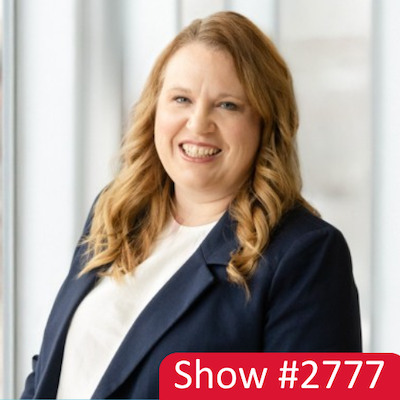
23 Apr April 24, 2026 – Horatio Outsourcing Jose Herrera and Entity Choice Autumn Visser
0:04 The Real Environmentalists AD : Broadcasting from am and FM stations around the country. Welcome to the Small Business Administration award winning school for startups radio where we talk all things small business and entrepreneurship. Now here is your host, the guy that believes anyone can be a successful entrepreneur, because entrepreneurship is not about creativity, risk or passion. Jim Beach,
0:26 Jim Beach : Hello everyone. Welcome to another exciting edition of School for startups radio, that’s right, we don’t believe in creativity, risk or passion. We believe that 93% of new businesses are copies of existing businesses. So if you want to start a new business, go find somebody to legally copy. We don’t believe in risk. We think risk is $5,000 or more, and you’re not going to spend that. If we have anything to do with it, you can go prove or disprove any idea for $5,000 and if you don’t believe that, I will introduce you to someone who did it already in your industry. And we think passion is awesome reserved for the church, the synagogue, the mosque, and, you know, the bedroom and occasionally the living room, a kitchen, whatever. But you don’t need to love your business. You just need to like it more than working for the man. And that is not a hard goal to accomplish. We have an amazing show for you today, just some great, great stories to share with you. First up, we have Jose Herrera. He started in 2000 I’m sorry, 2020 I believe, six years ago, and is built up to 3000 employees. They do back office outsourcing, and can make you much more efficient, much save you a whole lot of money, all of that kind of stuff. And it is an amazing story. I love how he did it. They did everything, right? Of course, they’re not the first group to do outsourcing. They have a very unique value proposition that’s different from everyone else. They did very little risk very much copying, right? And so it follows our role model, and they bootstrapped it. So absolutely love it, and I can’t wait for you to meet Jose Herrera after that Autumn, Visser is with us. She is a lawyer in the Roanoke, Virginia area. We’re going to talk all things legal entity setup, the corporation versus the LLC. This is an argument that seems to be so easily finished, but then once you take the second step and ask the second question, you find that it is very much more complex. And so we talk about partnerships and equity funds and investors and employees and which fund or which formation, which entity is better for employees and versus the investors all that kind of stuff. Very good conversation. And so I’m excited for you to meet autumn as well. Got a lot of cool stuff coming up, including next week, the lady I offered to marry is coming back after 13 years anyway. Great show today. Ready to get started, just to started in just3:17 The Real Environmentalists AD : Second time to talk and no action on climate change, introducing the real environmentalists, the bold new book by Jim beach, it’s not about activists, politicians or professors. It’s about the entrepreneurs, real risk takers, building cleaner, smarter solutions, not for applause, but for profit. The entrepreneurs in the book aren’t giving speeches. They’re in labs, factories and offices, cleaning the past and building clean products for the future. The real environmentalists is available now because the people saving the planet aren’t the ones you think. Go to Amazon and search for real environmentalists. Thank you.
3:49 Jim Beach : We are back and again. Thank you so very much for being with us. Boy, is this an exciting story. I’m excited to welcome Jose Herrera to the show. He is one of the founders of Horatio. It is a profitable founder led customer experience business. And listen to this. They’ve grown from a startup in 2020 to 3000 employees across the world, now mostly in the United States and Latin America. And they did that without raising any venture capital. The three founders met at Columbia Business School and decided to focus on an employee. First operating system known for incredibly high turnover. They have recently grown into other areas, including healthcare and things like that. Very impressive. Jose, welcome to the show. How are you doing?
4:41 Jose Herrera : Doing great, Jim, thank you for having
4:43 Jim Beach : Me. It is my pleasure. It’s an incredible story. Tell us about graduate school and how you got together with your friends.
4:51 Jose Herrera : Yeah, so I met my co founders in business school. It’s the classic Business School story where you meet your friends and you decide to start a business. We actually left our. Finance jobs at Morgan Stanley and JP Morgan to start Horatio. First, we started a small VC funds raising money from our from our friends in the program, and realized that one of the biggest pain points for fast scaling companies was fixing their scaling crisis as they were growing and and needing additional help, and so we decided to pivot quickly and start Horatio, which is customer experience outsourcing firm working with E commerce, FinTech and healthcare companies. These industries represent our greatest impact, where we provide tailored, high touch outsourcing solutions that drive client success. We combine AI and technology alongside a human centered experience to provide these types of services. And I think our unique approach allows our companies to like do what they do best, focus on their product, focus on the different things that they’re they need to handle, and have a strong partner on the back office and customer experience side of things that can take care of the day to day.
6:04 Jim Beach : What comp? What industries Did you say? You said healthcare and online, or the industries?
6:12 Jose Herrera : Yeah, so we do healthcare, e commerce and fintech.
6:14 Jim Beach : Okay, thank you. I’m one of those people that takes notes, and if I have an A and a B and I don’t have a C, I freak out. All right. And so what kind of services are you offering? You said customer focused. What are the experiences you offer? Are the different s, the different things people can pay for?
6:37 Jose Herrera : Yeah, so we provide failure solution for every client. And so what we typically do during the onboarding of the relationship is we do an audit and a consulting work upfront to understand what are the pain points, what are the scaling issues that they need to solve? Incorporate the latest technology, whether it’s a new CRM tool or a new AI technology tool, figure out what are some of the things and tasks and workflows that we can automate that do not require human intervention, and then staff each relationship with a dedicated team of agents that can handle the nuanced edge cases that the AI solutions cannot handle some of the things that we do our traditional customer experience. In the case of FinTech companies, we provide compliance AML account opening work for healthcare companies. We do a lot of RCM insurance verification work and some other back office tasks. So these are high, high, complex tasks that you know, companies typically don’t outsource, and we have built out sort of like an approach to let them feel comfortable when, when they decide to outsource some of these tasks to the ratio.
7:44 Jim Beach : And where are your agents? Mostly located in Latin America. Where are
7:51 Jose Herrera : Yeah, so we our delivery centers are across to be country. So we are in the Dominican Republic, which is where I’m originally from. We have about 2000 agents there. We are in Bogota in Colombia, and then we also recently opened another office in Honduras, which we’re very excited about. These places have very strong in use for efficiency, strong cultural affinity to the US market. The majority of our clients are us, based mostly in the East Coast, and so we try to cater to high end premium brands that, as I mentioned earlier, would not typically outsource. But you know, because we’ve built out this consulting workflow, and we have sort of like built out a very strong brand voice, our agents are able to handle it without any complexity whatsoever, and so, you know, a lot of our clients actually like the fact that we are in the same time zone. They get to come and visit their sites. Something that we’ve done that’s very unique as part of our business model is build out a very strong employee centric culture. We build state of the art facilities that feel like you’re walking into a Google Plex with open collaborative spaces, gyms, daycare. We provide breakfast, lunch and dinner. We have all the amenities that would make an employee happy, and that directly translates into superior service for our clients.
9:14 Jim Beach : Why is bogota colombia spelled differently from Columbia Business School? Why is Columbia spelled two different ways? Jose, do you know that? Random fact?
9:26 Jose Herrera : I have no idea. Honestly,
9:28 Jim Beach : I don’t either. I’m an educated person too, so the fact that you and I both don’t know, I think need this people not to know. I think
9:35 Jose Herrera : It’s probably like a spelling thing. Maybe I don’t know.
9:38 Jim Beach : Yeah, okay. Does everyone speak English? Are they all Spanish speakers, natively trained to speak English?
9:46 Jose Herrera : Everyone is fully bilingual in English and Spanish.
9:48 Jim Beach : Okay,
9:50 Jose Herrera : Yeah. So it’s great because a lot of a lot of you know customers in the US also have Hispanic customers. So you know, it’s of dual purpose, and it allows clients to work to. Better with them.
10:01 Jim Beach : How’d you get your very first client was tell me about your very first customer six years ago.
10:08 Jose Herrera : Yeah, our very first client was a direct to consumer brand. They had a terrible experience with another provider offshore. Really wanted to focus on building out a strong brand voice for their customer base. They were raising capital at the time, and so they were scaling very quickly, and they needed a partner that can help them figure out, like, how to really set up their customer experience operation for scale. And we started with a team of three, and that time grew all the way to 100 team members. So you know, definitely a very strong success story, obviously, post during covid, everyone started buying online. So a lot of the E commerce companies that we we serviced grew very rapidly, and we were able to scale very quickly with them.
10:52 Jim Beach : But how did you get them to buy into a brand new company? Are you a brand new zero experience? Zero proof. How did you sell zero proof?
11:02 Jose Herrera : Yeah, and that’s interesting, because we were also fully bootstrapped. I think it was mostly through our relationships with that, with the with the founder there that we knew from our business school program that was, you know, one of the first success stories that we have there. And so through our network, we’ve been able to grow the business organically. We have a very, you know, small sales team to this day, and our growth has been purely through our client success and showing proof that we’re able to add value to the relationship. So most of our clients come through referrals, and we have a lot of repeat customers as well.
11:37 Jim Beach : That’s very impressive. Small Scale sales teams indicate success somewhere else. So how are you getting people to recommend you and pass your name on
11:48 Jose Herrera : At the end of the day? It’s, it’s, you know, we built the company for retention, and so we really focus on making sure that our employees are are happy, and that translates into happy clients as well, because they’re providing amazing service. So I think that consultative approach that we’ve taken to the relationship with our customers carries a long way and has allowed us to expand and grow. And I think because we’re relatively small compared to like other players in the space, we can be more flexible and nimble and to adapt to the to the needs of our customers, which they really like. And something that we focus a lot is on quality control, quality assurance, upskilling our teams. You know, one of our one of our values at the company, is Python, which is the Japanese word for constant improvement. So we’re always trying to constantly improve our business or operations, and work really closely with our clients to understand that we are a true partner, that we’re we’re not just a vendor that we are trying to look for ways in which we can add value to the to the partnership, and make sure that they understand that we have their back. And I think that’s been the recipe for success.
12:53 Jim Beach : And Jose, what is your secret sauce? I think I know the answer. Why are you better than the other people who do this?
13:03 Jose Herrera : Yeah, I think the traditional model of outsourcing is just like staffing seats, and we’re like anti that. We’re more about working together with each customer to design, implement and manage the entire customer journey staff, whether it’s through technology or through people. And I think the the fact that we’ve been able to productize three vertical offerings where we really know each niche has helped us be at the forefront of, like, the growth of our, of our, of our success. I think knowing very well the Inside Out ins and outs of E commerce, FinTech and healthcare, you know, is something that has allowed us to grow, because when a healthcare company comes to us, we know what they’re talking about. They understand now we know their pain points and that we can scale and help them build that out. And on the Philipp side, I think they also understand that, like we really take take care of our people, we attract top talent, and that combination is really powerful and has allowed us to differentiate ourselves from our peers.
14:04 Jim Beach : And what about dealing with HIPAA? Is that an issue for you? Obviously, you have to handle that. How did you learn to deal with HIPAA?
14:12 Jose Herrera : Yeah, so we went through the whole HIPAA regulation. So we are HIPAA compliant. We are SOC two compliant. We have all the PCI rules all of our offices have these security and regulatory protocols in place, and also that gives our clients peace of mind. I mean, we had a client that started very small, testing it out. It was their first time outsourcing to a partner. They sent their CISO over to our sites to ensure that we really had the security protocols in place that client started with, you know, very small team, and now, you know, they’re almost at like seven figures of revenue with us. So it’s like almost 130x expansion over the past four years. And none of these would have been possible had we not understood the the HIPAA compliant regular. Applications and the scrutiny that comes around with that.
15:04 Jim Beach : So you seem to have a lot of policies to include and make the employees happy. A lot of those policies have sort of been popular in the United States, and it’s kind of not anymore. So they’ve worked their way through the system, and companies decided to get rid of all of those benefits, but you still have a lot of them talk to me about keeping your employees happy,
15:27 Jose Herrera : Yeah. So we’ve built a very exciting culture at the company where we’re all trying to figure out how we can build a community outside of, like, their day to day jobs. And so we built out a very strong people and culture team that is listening to each employee to understand, like, what do they want out of the company? Like, where do they see value? And so through those surveys and interactions with our employees, we’ve been able to build out a state of the art facility that encompasses everything they want out of a place. So gym on site with personal trainers, yoga, pilates, jazz classes. We have game rooms. We have video game rooms. We have daycare for working parents. We organize a lot of different classes for the employees outside of their work schedule, whether they want to learn about meeting, or they want to learn about AI or they want to learn about a particular industry sector. Service line. We have a very strong learning and development team that works individually with each employee to understand like where they want to go in terms of their career ambitions, and build out a plan to map out their career plans and goals. And so that has translated into a very strong enps score. I mean, the average enps score for most companies is around 30 Horatio seats around 71 so pretty, very, pretty strong NPS score, which translates into very strong retention numbers for for our employee base, I would say, you know, we have a very, very small attrition of around 2% which is, you Know, unpardon of in our industry.
17:02 Jim Beach : And I imagine that you do very well competing against the local companies. These sound like incredible benefits for the US, yeah, much less for Bogota and Honduras,
17:13 Jose Herrera : Yeah. And exactly, and especially, even when our clients tell me to visit, they’re like, Where can I apply? Like, I want to stay here. So it means that we’re doing something, something something good in building out the culture and and you can see it when you walk into the campus like, you see that people are happy. And, you know, you know, some of our clients are like, Are you paying these people to, like, be happy? I know they’re just, you know, just build a culture around community, listening to their needs. And that has translated into into very, very good energy and good outcomes for for our employees and for our clients,
17:44 Jim Beach : And so even with those higher costs, it’s still competitive.
17:48 Intro 2 : Yes, price wise, yeah,
17:51 Jim Beach : How do you versus other outsourcers? And do you even compare yourself with other outsourcers?
17:57 Jose Herrera : We we tend not to. I mean, I think what we do here is very different, and you can tell from the moment that you start working. Start working with us like we do. That I think that the most of our competitors, like, expect clients to provide them with clear instructions of what they’re going to be doing, as opposed to us, is working together with our clients to figure out how we can improve and be better. And so building on that architecture has allowed us to, like, command premium pricing versus our our competitors, and so we typically don’t compete with price, like, if what our clients are looking if a person, if a company, is looking for to call costs. I mean, we’re not that provider. There’s other places where, you know, quality is not a priority for them, and you know, that’s totally fine. But I think the clients that we work with, they really care about quality and superior service, because their end users expected and it’s part of their growth strategy. So, you know, we work very closely with those clients that actually understand the value that we bring to the table,
18:53 Jim Beach : But yet, you’re still going to be cheaper than American staffing.
18:57 Jose Herrera : Yes, for sure.
18:58 Jim Beach : How do you argue that narrow space you’re still cheaper than America, but you’re not even going to talk about the other outsourcing companies, because we’re so much different from them. That’s a very narrow niche,
19:11 Jose Herrera : Correct? Yeah, yeah. So I think you know, in terms of, like, difference, difference in price versus the US. I mean, obviously, you know, when you have us employees. You have to, you have to pay for all the total cost of having that employee. You know that is something that we take care of when we, when we when, when you alter super ratio. So obviously you’re saving some, somewhere between 40 to 50% overhead when, when you work with us. So it’s still cheaper than the US for sure.
19:41 Jim Beach : Yes, what percent is United States employees versus outside of the United States? You said you have 2000 in the Dominican Republic. So that’s about, yeah, we have percent.
19:52 Jose Herrera : We have 1000 so we have in Dominican Republic. No 2000 we have 1000 in Colombia. And then we have a team of about 12. People in the US, mostly in, yeah, mostly in finance, business development and marketing,
20:06 Jim Beach : Yeah, of course, those are going to be all executives at that point.
20:10 Jose Herrera : Yeah, we have, we also have very strong executives in the local markets as well.
20:15 Jim Beach : All right, you bootstrapped the business. Congratulations on doing that. That implies that you own most of it still, which is very impressive. How are you able to do that? Talk to me about bootstrapping a business this big?
20:30 Jose Herrera : Yeah, I think we’ve been focused primarily on the fact that we have no runway to burn. So every client had to be margin positive, and every hire had to earn their keep, and so we’ve been very disciplined in how we partner with clients, how we operate above our industry margins, and really focusing on delivering value to the client relationship so that we can continue growing through client success and not just sales. That’s as I mentioned, like we you know, most of our growth has come from like, expansion of our existing client base. And I think when you can’t, when you don’t have the luxury of like outspending, you’re able to focus on, like delivery of services. And so that is what has allowed us to, like, really grow without bootstrapping the business. Obviously, most of our spend is in building out incredible facilities and taking care of our team. And so, you know, we’ve been able to slowly do that at our own pace, without having, you know, any need to, like, accelerate growth. And even the growth has been extremely above market. We We are very proud of what we built. I think we couldn’t do this without the people behind working for our clients.
21:48 Jim Beach : Is the financial model the same as the rest of the or rest of the competitors in the space? Does your your ratios look the same?
21:58 Jose Herrera : Everyone has a different model. I would say that, you know, even within our company, we have different models depending on the client the client needs. So it really, really depends how we how we build the partnership. As I mentioned, like a big part of the work that we do is sort of like a mini Accenture of from consulting work that is ongoing as part of the relationship. I think most, most of our competitors don’t, don’t offer that as part of their bundle. So I think, you know, it really depends on, like, how, how you build out your pricing overall.
22:30 Jose Herrera : Some
22:30 Jose Herrera : People do it based on outcomes. Some people do it based on fixed resources. Really depends on, like, the needs and appetites of each client.
22:36 Jim Beach : How do you determine your prices? It
22:40 Jose Herrera : Really depends on, like, what the scope of work that we’re going to be handling, the sophistication of the work that we’re going to be performing. You know, obviously, when you’re hiring, you know, for example, customer experience, we typically look for people that have one to two years of customer experience work, versus when we’re hiring for a profile that’s more more niche, like a software engineer or a compliance specialist. You know, that requires a very specific skill set, so obviously that is going to be higher pricing versus like a traditional customer experience team. So we typically get a job description for our clients. We work with our recruiting team to understand, like, what the market rate is for that, and then we price it accordingly, based on like, what we need to deliver for our clients. And then also we understand, like, you know, there is a technology component. So we also try to figure out, like, Okay, what is the technology that we’re going to be implementing here up front, what’s going to be the cost of that, how we’re how we’re going to build for that technology, and then, and then price it accordingly, based on, on, on what we’re being performing for each client,
23:42 Jim Beach : How often do you go to the Dominican Republic, Bogata, Honduras and versus the other 12 from, you know, the executive offices? How long, how often do you actually get down there?
23:58 Jose Herrera : At least once a month, I would say. So always on the road.
24:02 Jim Beach : Yes, you have one employee whose job it is to hit the office or to go there frequently, more than you.
24:12 Jose Herrera : I think I’m the one that goes the most.
24:14 Jim Beach : And how do you hate Do you still have the other two partners as part of the business?
24:19 Jose Herrera : Yes, we’re all we’re all involved, and we all are 100% dedicated to the business.
24:24 Jim Beach : And how did the three of you handle issues and working together?
24:30 Jose Herrera : We working together through, I mean, we were, we’re close friends before, and so at the beginning was definitely challenging. You know, mixing mixing business with friendship, but we’ve been able to navigate and respect each other. And we also work with an executive coach, you know, once once, every once a month, to like, talk about anything that we want to like, clear the air. And that has been very helpful for for our partnership. But you know, we each have our lanes at the company, you know, and so. So, you know, we work together, but everyone you know typically focuses on what they’re what they’re responsible for delivering for the company, and that works out really well.
25:07 Jim Beach : What is everyone’s different job responsibilities?
25:10 Jose Herrera : So I’m in charge of mostly strategy, sales, marketing, culture, and then Alex is in charge of operations, and Jared is in charge of, like, finance, legal, compliance work, and it
25:22 Jim Beach : Okay. And what about AI? How is that going to impact your business? I love that one of your lines on your LinkedIn profile that describes you is that you’re describing the business is that you do things that AI can’t do. What’s the world? Yeah, you can’t that AI can’t handle alone. How is AI going to impact?
25:46 Jose Herrera : Yeah, so, you know, I think the public market narrative has been that, like, AI is going to make all of our jobs obsolete, and that we’re going to be melting ice cubes. I think that the reality on the ground is totally different. And what we see is that the conventional wisdom is that, like, if AI handles 80% of tickets, you need 80% fewer people. I think the math makes sense, makes sense in the boardroom, but it doesn’t really survive contact with reality. What we’re seeing is that automation is changing demand. And so, you know, before AI, many customers never really submitted simple questions at all. They searched the knowledge base. They kind of like postponed it or gave up. And once support becomes more conversational and immediate, you know, those questions start flowing in. And so what we’re seeing is that the barrier to entry for questions has disappeared, and so deflection rates have gone up, but also total volume has also come up. And it’s all easy. You know, low hanging low hanging fruit stuff. It is creating operational complexity for companies, because the work that reaches humans gets harder, and so I think AI is absorbing all these routine interactions. But the remaining cases are, as I mentioned earlier, unresolved edge cases, moments where the model lacked context or confidence. And in our in the industries that we service like a misstep, can send a customer to the wrong place promise something that the company didn’t really honor, and that is a recipe for disaster. I mean, in healthcare and fintech, it can be a lawsuit waiting to happen. And so the net effect is like automation is reducing repetitive labor, but it’s also simultaneously heightening accountability for everything that remains. And so we’re spending a lot of time leveraging AI to train our human agents on like best you know, how can they provide better service for those complex cases? You know, when you, whenever you have a K, an issue, and you’re calling, you know, call, you know, T Mobile, AT and T, like you normally, are following them because you try to solve it yourself, and you couldn’t, and so you want to talk to a human right? And so we still see that being the case, but we are we, since we started a company, we’ve been very forward in terms of, like, adopting technology, adopting AI. And so 80% of our clients have adopted AI in one way, shape or form. And we continue to innovate as our clients, you know, want to explore this new world of AI,
28:20 Jim Beach : Right? Well, Jose, you’ve done it very, very well. You deserve an A plus from Columbia Business School. I hope they gave you that, and it’s an amazing story. Congratulations for sharing it.
28:33 Jose Herrera : Thank you so much. It was a pleasure talking to you today.
28:36 Jim Beach : How do we find out more? Hire you get in touch all of that stuff, please.
28:40 Jose Herrera : Yeah. So on Instagram at Jose dot Horatio, and then we’re at higher ratio.com. If you need any assistance with outsourcing, happy to chat.
28:50 Jim Beach : Fantastic Jose. Thank you so much for being with us, and congratulations. We’d love to have you back in a year or two and get an update.
28:57 Jose Herrera : Thank you, Jim. Have a good day.
28:59 Jim Beach : You too, and we will be right back.
29:15 Intro 2 : Well, that’s a, that’s a that’s a wonderful question. Actually, Jim, oh my gosh, I love the opportunity to do this. Thank you, Jim,
29:21 Intro 2 : Wow, that’s, that’s, that’s a great one. You know, that is a phenomenal question. That’s a great question. And I don’t have
29:28 Intro 2 : A great answer. Oh, that is such a loaded question. And that’s actually a really good question.
29:34 The Real Environmentalists AD : School for startups radio,
29:37 Jim Beach : We are back and again. Thank you so very much for being with us. Very excited to welcome a legal expert to the show, someone who can help us figure out all of the sticky legal situations, especially for small businesses. Please welcome autumn Visser to the show. She is the principal and co chair of corporate and business transactions practice at Woods Rogers, which is. Is a Roanoke, Virginia based law firm. She helps advise entrepreneurs and growing businesses on formation, structuring and scaling. A big part of her work helps founders fix problems that started when they misunderstood their entity. Choice. Autumn, welcome to the show. How you doing?
30:19 Autumn Visser : Doing well, thanks, Jim, thanks for having me this morning. I’m excited to talk to everyone and get some of this knowledge out there about what what different entity formations can mean when you start your business, there’s a lot of confusion because there’s a lot of information out there. So hopefully we can help distill that down this morning.
30:36 Jim Beach : All right, what are some of the major choices? So we have LLC. What are the other choices?
30:43 Autumn Visser : Right? You can form an LLC, or you can form a corporation. Those are really your choices these days. Theoretically, you could still form a partnership, and if you’re forming an equity fund, that’s probably a good choice. But unless you’re forming a massive equity fund, I would say LLC or corporation are your choices for a legal structure.
31:02 Jim Beach : All right? I love that we’ve already eliminated something. I like that we’re not starting an equity fund, so we’re going to get the partnership leaves LLC and Corporation. All right? Corporation sounds like Disney or Coca Cola. You know,
31:20 Autumn Visser : It does right?
31:21 Jim Beach : Million dollar business. I don’t think that, you know, I need a corporation. That sounds like overkill to me,
31:28 Autumn Visser : Sure. Well, there is more detail in a corporation, you could say, but it also provides strangely enough flexibility in all of those details. It’s also important to think about, what does your million dollar business might be? We’ll say, just in air quotes, a million dollar business today. But what’s your plan, goals, dreams for the future of this business? Do you want it to be $10 million business and have multiple investors? Do you want to keep it small? Those are all questions that people need to consider when they’re forming their entity. A corporation also doesn’t have to be complicated. It can be three documents and then be governed by statute, which is just a fancy way of saying everyone sort of knows the rules because they’re written down ahead of time.
32:21 Jim Beach : Okay, I do like that. I remember my granddaddy. Everyone was, you know, he was 93 and people were asking, Are you gonna die? And, you know, and found out that he didn’t have a will, and he said, I like the way the state just does it by itself. You know, he was willing to just put up with the state’s version of the statutes so he didn’t need a will, because they would do it just fine.
32:48 Autumn Visser : Yeah, sometimes there is simplicity
32:50 Jim Beach : In that,
32:51 Jim Beach : Yes, which
32:51 Autumn Visser : Is nice,
32:52 Jim Beach : Yeah, a very simple man and his Baker came up to my mother and just started laughing because he had a million dollars that no one knew about. He was one of those people.
33:01 Autumn Visser : I hope. I hope I’m that person someday that someone says that about,
33:06 Jim Beach : Yes, that a cool thing. Yeah, Frank or laugh at the family.
33:10 Autumn Visser : Yes,
33:11 Jim Beach : Yeah. You said something that I wrote down because I wanted to question it. You said that the corporation doesn’t have to be that big, it can be flexible with only three documents, sure. My thought autumn is, if I turn into a five, $10 million business, we’ll change the entity type then and deal with it. Then, how hard is it to simply deal with it? Then can’t I just grow into the corporation?
33:41 Autumn Visser : I’m going to give you an answer that lawyers love and clients hate. It depends the best legal speak. The answer is always, well, almost always, you can change into a corporation when and if you need it someday. But why pay for something twice when you could just do it one way, from the start and at the beginning formation,
34:09 Jim Beach : You have a corporation that an LLC, even, no matter how easy you make it, it’s still harder.
34:15 Autumn Visser : I would say it’s, I’m not sure if it’s hard, rather mysterious. That’s how I like to say it. How you manage a corporation seems to be sort of a attorneys and CPAs like to keep it close to our vest, but what I like to do with clients is make it clear how they can maintain it on their own and not have to pay me every time they have a question that comes up. So if you can get good legal counsel and good accounting advice from the beginning. And by good, I mean a partner, right? Find professionals who are going to partner with you in the life cycle of your business and get it set up from the beginning that tell your advisors, hey, I want to be able to maintain this entity on my own. What are the things that I. Need to do every year, every five years, every 10 years, to make sure that I’m going in the right direction and I’m not messing anything up along the way, without having to call you every month and spend money.
35:14 Jim Beach : I would like that. I would like that charge for an attorney. I don’t know that they can do that though. Oh, I don’t know what
35:24 Jim Beach : Do you mean. What do you mean?
35:33 Jim Beach : It just seems that they, by inclination, make it more difficult than it needs to be.
35:39 Autumn Visser : We, probably do have that reputation as a profession. What I would what I would say is that as technology advances, as we’ve seen it, even in the last year, but look at the last 510, years, the cost to set up an entity and get going has really come down and so and I would also say that you know when you when you hire people, you should like the people that you hire, you should feel okay with calling them and challenging them on the advice that they give you and the directions they point you in, and it’s okay to move on and find someone else that will help you, because entrepreneurship is I think, because I’ve not done it, but I see people do it every day in my practice, I entrepreneurship is stressful as it is, we don’t need to add more stress with complicated legal structure or unnecessary we can even go so far as to say unnecessary legal structure. So I don’t want the sort of negative reputation of attorneys or the complication of a corporation lead someone into just setting up an LLC, because it is easy to just set up an LLC, but if you plan to take on any type of investment in the future you want to expand your labor pool without maybe being able to pay market salaries, a corporation is going to give you the flexibility to do all of those things.
37:22 Jim Beach : Okay, you just brought up two really important things. How what are the rules say about investors? So just tell us the basics here with an LLC, how many investors Am I allowed to once I go past what number do I have to have a corporation in terms of investors?
37:41 Autumn Visser : Well, LLC technically could have as many investors as you want, but you can’t go past 100 if you’re taxed as an S corp. So over 100 you need to have a C Corp. Additionally, investors don’t want to pay taxes on your business every year, and the way to avoid that is by forming a C Corp. C Corps are taxed at the entity level, and so the investor puts money in, and then, until there’s an exit event, or some type of dissolution event, they’re passive, right? And they don’t want to get a they don’t want to pay taxes on your business every year before they’ve seen an exit event, is the short way of saying it. So,
38:26 Jim Beach : Yes,
38:27 Autumn Visser : Yeah, I mean, it does make because a lot of investors have multiple investments, right? So they don’t want to, they don’t want to have a tax or they don’t want their own tax return to show their hundreds of investments. They just want to deal with you, and they put money in and they take money out. And so yes, your initial question was, right, you can, you can’t have more than 100 investors in an S corp, but even with less than that, a C Corp is generally the way you need to go if you’re going to bring in outside investment.
38:57 Jim Beach : Okay? And then you mentioned employees cost or it can have an impact on the employees. Explain that, please.
39:04 Autumn Visser : Sure. So many startup companies entrepreneurs like to use equity in the company to attract employees, right? It’s a great way to augment salary if you can’t meet market rates, and the you could do it in an LLC, but it doesn’t have the best tax advantages, and without getting into a bunch of detail that only the accountants need to know, a C Corp gives you the flexibility to have a issue equity in the form of stock options and other synthetic types of equity to your employees, and that’s a really great way to again and increase the number of employees you have beyond maybe what your cash flow allows,
39:50 Jim Beach : Right? So I give someone 3% of the business, or something like that, if they come on and be my early vice president of marketing.
39:59 Autumn Visser : Yeah.
40:00 Autumn Visser : That’s right, Jim, you can talk about it in most of the time. I say, please don’t use percentages when you talk about ownership. But you could give them 3% or 100 shares or whatever that looks like in your cap table when you find a CFO, and maybe that CFO in order to get them to leave their you know, $300,000 a year job that your business can’t support yet. You say, Okay, well, I can pay you 150 but I can give you 3% of the company that is going to be worth a lot more.
40:30 Jim Beach : Why don’t you like percents? Why would you rather have it be number of shares versus percent?
40:36 Autumn Visser : That’s a really good question. The reason is because when you say, Hey, Jim, I’m starting a company. I want you to be my marketing guru. I’ll give you 3% some a lot of times that person expects the 3% to be maintained over the life of the company,
40:56 Jim Beach : Of being a CFO, if that’s there,
41:00 Autumn Visser : Right or more likely you take on investor money. And so everyone needs to be diluted. Your 3% becomes 2% should become 2% the more shares that are issued over time, right? And so if an entrepreneur guarantees a percentage, that entrepreneur who started the company with her own well, professionally, I wouldn’t be calling my clients an idiot, but yeah, basically, because then you’re only diluting yourself, right? You’re it’s your blood, sweat and tears. Why should you be the only one that gets diluted?
41:36 Jim Beach : I think
41:37 Jim Beach : Everybody should get diluted. Yeah?
41:39 Intro 2 : So
41:39 Jim Beach : That’s why?
41:40 Jim Beach : Yeah. Okay,
41:41 Intro 2 : Yeah.
41:42 Jim Beach : Again, you’re just going to tell the employees you get 3% but then you’re dilute, like me, you know, on the inside, the inside, yeah, because we get diluted sometimes,
41:53 Autumn Visser : That’s right, and most of the time, hopefully employees aren’t going to care about dilution, because the goal is right, that you get in the 100 shares when they’re worth $1 each, and then by the time you sell them, they’re all worth a million dollars each, or something outrageous, and then everyone gets
42:12 Jim Beach : Hurt, the number of businesses that go out of business, I think that employees today need to realize that that is quite a gamble you are taking right there. You know it’s, yeah, huge gamble, because most of those don’t pay out. 99% of those don’t pay out. Is my guest. Would you agree with that number? Autumn,
42:33 Autumn Visser : Oh, I might say 98% but it’s pretty high. It’s pretty high, yeah, and some of them don’t go under, right? But it never becomes this 10x exit where everyone’s just rolling in cash. A lot of entrepreneurial businesses, startup companies, whatever you want to call them, after five years, they’re still trucking along, but they didn’t hit the big time, if you will.
43:03 Jim Beach : Yeah, they didn’t have that big exit. So,
43:06 Autumn Visser : Yeah, they weren’t. They’re Ubers of their day. I guess
43:09 Jim Beach : So. Are you experiencing a lot of businesses for sale now, in the practice with baby boomers age out of ownership and don’t want these businesses anymore. Are you seeing this autumn?
43:27 Autumn Visser : We are, Jim, that is something we’re seeing, especially in more our firm is located in Roanoke, Virginia, which is a pretty it’s a mid sized city, I would say. But we serve a lot of rural areas, and there are a lot of business sales I would in my experience in rural areas happening right now because, you know, sort of lack of planning, which is common. And by lack of planning, I mean who you’re going to give this to when you die? Who wants to run my, you know, warehouse when I
43:58 Jim Beach : Die? No one who wants a damn widget business.
44:01 Autumn Visser : I saw one a couple years ago. It was a business that made drawers. I mean, who wants to make drawers for the rest of their life? I don’t know. I guess it was a semi good business. So they found a buyer.
44:14 Jim Beach : Yeah, you know, I always like to point out that the richest person that I know made their fortune in paving. He’s a billionaire, and he made his fortune paving. And there is nothing less sexy paving Florida roads, you don’t even build a curb. In Florida, you don’t even get a curb. I
44:36 Autumn Visser : Suppose there’s no runoff there, huh? You don’t have to deal with that. No curbs. I never thought about, yeah, so sometimes
44:44 Jim Beach : People are making money
44:46 Jim Beach : On that. He told me he spent an hour on that. How you make more money with curves, but it costs longer. It’s not worth it. And he’d rather not do the curbs, you know? So he just throws down the the asphalt and lets the water just run off into the gully there.
45:00 Intro 2 : Are,
45:00 Jim Beach : You know, well,
45:01 Autumn Visser : And now you have this amazing anecdote about curbs that you can use for the rest of your life. Thanks to him,
45:09 Jim Beach : Yes, but
45:10 Autumn Visser : Wonderful.
45:11 Jim Beach : You know, it points out, I think, a very solid lesson, that a lot of businesses that make a lot of money are not sexy. You know, they’re
45:20 Autumn Visser : Really not. They’re really not, yeah, and there was a time where, you know, I go to these business pitch competitions now and again, and there was a period of time where every single person pitched a new app, and I’m gonna, I would bet you $100 that zero of those businesses that I listen to still exist, but the paving business is still going. Those never go out of style.
45:46 Jim Beach : Ever gonna leave? Ever gonna leave?
45:47 Jim Beach : No, no. Not at all. Not at all.
45:51 Jim Beach : I love pinch pitch competitions, especially when someone stands up and says, No one’s ever done this before. We’re the first people to ever figure this out.
46:02 Autumn Visser : Yeah, I I do about two or three pitch competitions a year, and I just really like to ask questions about they’ll be pitching some technology that even I can’t understand. And I say, well, who’s what kind of intellectual property Do you own? And I just get a blank stare. Okay, cool. That was fun. But, you know, I do think pitch competitions are good because it makes you as a business owner realize that, well, your idea of what your business does in your head is very clear, but people on the outside have no idea because they speak a different language, and it helps, it makes you clarify what you do with your business.
46:50 Jim Beach : Are your clients worried about AI? Are they investing in it? Are they trying to use some of it? Are they freaking out by the bandwagon?
47:00 Intro 2 : Yeah,
47:00 Autumn Visser : That’s a really good question, Jim. I haven’t had any no one’s freaking out about it. I would say they all. What I hear from them more is, are, is it going to be cheaper for me to call you autumn? And a lot of people are just trying to figure
47:22 Jim Beach : Out that it currently is, yeah, meaning,
47:26 Autumn Visser : Meaning, how are, how are law firms going to leverage AI to make their services cheaper, which we could talk about for hours. I just think that’s a crazy question, because I
47:41 Jim Beach : Don’t know that I want my lawyer on the cheapest just like sushi, you know, give me the high price
47:48 Autumn Visser : Gas station. Sushi is not always. Sometimes it’s going to be fine, but not always. And also, would you ask your, you know, someone’s gonna, like, I don’t know, take out my gallbladder. I don’t want to ask them how new technology is going to make it cheaper. I don’t think that’s really my concern. But so I don’t have a lot of clients that are to answer your question. They’re not panicking about AI. I would say clients that are in industries that have sort of been around forever, like the paving companies of the world, the developers of the world, real estate, those types of things. It’s not coming up in conversation with me. I assume they’re using AI internally, but it’s not impacting their deals at this point.
48:38 Jim Beach : All right, do you have a lot of your businesses, your clients, that are looking to exit.
48:46 Autumn Visser : Now is a really interesting time to try to exit. There’s not a lot of cash available. So if you can get a good you can get a decent valuation. And people you know who, people, sort of who are thriving in the current economy are definitely looking to sell. They don’t want to wait and see what is going to happen or what’s going to impact their bottom line next. And those businesses are generally finding buyers. I would say that I don’t have a lot of clients that are tech companies that are looking to sell right now, because the valuations just aren’t there,
49:20 Jim Beach : Right? Yeah, what is the overall capital situation look like? What are you seeing in the money markets? Autumn?
49:28 Autumn Visser : I’m seeing a lot of so we deal with individual or family office type investors, and then you also deal with funds, and the individual or family office type investors are slow to put money in to companies currently, because liquidating and freeing up investments into cash is not ideal with how the market is running right now, so I see some deals stalling at. Equity funds in general are still pretty active, because they are like, when valuations are down, it’s bad for my clients, but very good for the equity fund, of course. So they’re still making deals happen.
50:13 Jim Beach : All right. Are the deals happening quickly or slowly? Or what’s the window look like?
50:22 Autumn Visser : Deals? Are happening slowly. I you know, I would say in my Well, this is sort of, well, it’s all anecdotal, but in my experience, they’re moving slowly because people are people and businesses are just a little timid right now. They’re just not sure what tomorrow is going to bring with markets, with lending, with what banks are requiring as collateral these days for them to buy a company. You know, use financing to buy a company. So they’re moving slow, because people are being a little more cautious. Think you saw in the first 1224, months after covid, people were just throwing cash around, buying up everything they could find. And that has definitely slowed down in my experience, in the practice that I have,
51:14 Jim Beach : Yes, what else are they clients talking about? What are they coming in and concerned about?
51:22 Autumn Visser : They’re coming in and concerned about what they might not be thinking of, which mean, I mean, they’re saying, I’m afraid for my business a little bit right now, so help me identify risks that I have that I haven’t thought of. So that’s an interesting place to be. As an attorney, you know you want to help your clients protect themselves and protect their business, but there’s only so much you can do with paper, so sometimes we don’t have great answers, but that’s what they’re calling me about. I would say that I’m still getting a lot of calls from people who are starting business. Starting businesses. You know, the the entrepreneurship spirit doesn’t sleep a lot in technology towns, which, surprisingly, for probably a lot of your listeners, Roanoke. Roanoke, Virginia, is a technology town as well as Charlottesville and some other, you know, places where there’s higher education and so continuing to advance one specific area. Not sure how many people would be interested in this, but you know, there’s a lot of technology companies and startups that spin out of universities, right? And all of the research funding is causing causing people to look more towards private investment, meaning there’s less research funds going around, so now there’s more room for private investors to get in where previously, technology ideas were maybe being funded by the government or being funded by other resource research institutions.
53:07 Jim Beach : Okay, very interesting autumn, great information. Really appreciate you being with us. How do we find out more? Get in touch all of that, please.
53:17 Autumn Visser : Yeah, thanks for asking. You can find me at Woods, rogers.com, that’s multiple woods and multiple rogers.com under autumn Visser. I’m happy to help anyone who has questions about getting a business started, or if they’ve already started a business, what can we do to fix it or help you achieve your goals? Autumn.
53:37 Jim Beach : Thank you so very much, and we’d love to have you back. Thanks a lot. Great stuff.
53:41 Autumn Visser : Thanks, Jim. Have a good day.53:44 Jim Beach : We are out of time for today. But you know what we do? That’s right, we come back, be safe, take care, go make a million dollars. Bye.
Jose Herrera – Co-Founder & CEO of Horatio
If AI handles 80% of tickets, you need 80% fewer people… the math makes sense in the boardroom, but it doesn’t really survive contact with reality.

Jose Herrera
Jose Herrera is the Co-Founder and CEO of Horatio, the modern outsourcing company revolutionizing CX services and the BPO industry. Under his leadership, the company has been recognized for its innovative approach to customer service. Jose is committed to delivering exceptional customer experiences and leveraging technology to drive business growth. Horatio is the trusted partner for some of the fastest-growing startups and enterprises in the world. Their on-brand customer support teams help them leverage CX as a revenue generator through personalized customer experience support. Horatio is headquartered in New York City with main offshore offices located in Santo Domingo and Santiago, Dominican Republic. Prior to founding Horatio, Jose spent seven years at Morgan Stanley as VP, covering Latin America and US Offshore markets, and began his career at Goldman Sachs. He attended Columbia Business School for his MBA in Entrepreneurship and Bentley University for his Bachelor’s of Science.
Autumn Visser – Principal and Co-chair of the Corporate & Business Transactions Practice at Woods Rogers
Your idea of what your business does in your head is very clear, but people on the outside have no idea because they speak a different language.

Autumn Visser
Autumn R. Visser is a Principal and Co-Chair of the Corporate and Business Transactions Practice at Woods Rogers, where she works closely with entrepreneurs, founders, and growing companies on the legal strategies that shape how businesses are built and scaled. Her practice focuses on mergers and acquisitions, corporate structuring, and emerging growth and venture capital, with a strong emphasis on helping businesses make smart decisions early so they can avoid costly problems later. Autumn is known for translating complex legal concepts into practical, real-world guidance that founders can actually use. She regularly helps entrepreneurs navigate entity formation, ownership structures, and investment readiness, often stepping in to correct issues that arise from rushed or misunderstood early decisions. Her approach centers on asking the right questions before action is taken, identifying risks in advance, and building structures that support long-term growth rather than short-term convenience. Recognized for both her professional excellence and leadership, Autumn has been named to Virginia Business Magazine’s Women in Leadership and is part of multiple “Legal Elite” recognitions. She is actively involved in the legal and broader business community through organizations such as the American Bar Association, the National Association of Bond Lawyers, and the Virginia Women Attorneys Association. She also serves as Treasurer and Board Member for Goodwill of the Valleys and as a Board Member for Virginia Navigator. Autumn earned her J.D. from Pepperdine University School of Law and her B.A. from the University of Northern Iowa, and she is admitted to practice in Virginia and California.