
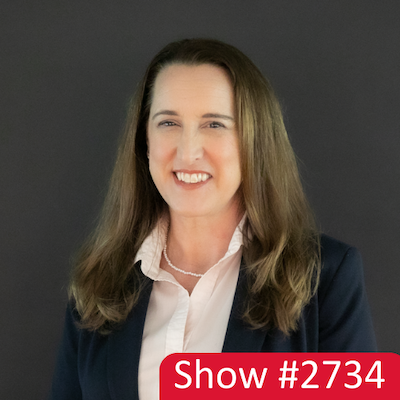
11 Feb February 12, 2026 – Thought Marketing Allison J. Taylor and Escape The Clock Dan Rodgers
Transcript
0:04 Intro 1 : Broadcasting from am and FM stations around the country. Welcome to the Small Business Administration award winning school for startups radio where we talk all things small business and entrepreneurship. Now here is your host, the guy that believes anyone can be a successful entrepreneur, because entrepreneurship is not about creativity, risk or passion. Jim Beach,
0:26 Jim Beach : welcome to school for startups radio. Hope you’re having a great day. We have two fantastic interviews today. They’re both long, so we need to go ahead and get started right now. Here we go with our first guest. She is very impressive. Please welcome Allison Taylor to the show. Allison J Taylor, she is author of a new book called Power Up product management. It is five star rated on that Amazon place. She is also very active as an entrepreneur, running several businesses right now. She is the CEO and co founder of discernna.ai and also Thought Marketing Communications to different companies very impressive, and she’s got an amazing career. We will let it come out in the interview. Allison, Welcome How you doing?
1:09 Allison Taylor : Hey, thanks for having me. I’ve been looking forward to this as a fan of the show, always gleaning tips and always learning. So thanks for having me,
1:16 Jim Beach : Jim, it is our pleasure. All right, why don’t you tell us some of your background, triple entrepreneur. I know you’re excited to talk about the book to give us some of your background and how you became a female entrepreneur in the tech space. I mean, you are a unicorn just by existence.
1:36 Allison Taylor : Well, I don’t know that I can take credit for becoming a female apparently, that just happens. So we’ll have to leave that
1:42 Jim Beach : choice now that’s totally optional.
1:45 Unknown Speaker : Fair enough. Fair enough. But
1:47 Jim Beach : it’s funny, a giraffe, anything,
1:51 Allison Taylor : all the above. I don’t know which animal spirit animal would we be? I don’t know, probably a cat, but to the point it’s just funny to hear myself being described as a female entrepreneur. I just don’t think of myself in that way. I think of myself as an entrepreneur trying to make a living, trying to make a livelihood, but leaving the world a better place at the same time. And those are challenging things. So yeah, in the background, I guess for listeners, the first thing just to share, sometimes we’re reluctant entrepreneurs. Sometimes we don’t know we’re going to be an entrepreneur until later. So I’ve had multiple tries at it. And as you said today, have two businesses. I have a services business that works with CEOs and leadership on the tech sector. But I also have been dabbling and trying out my AI startup. And you know, we’ll talk more about that, but timing has a lot to do with it. So I’m entrepreneur, I’m in there. I’m doing it. I’m living this day to day, and that’s why I’m happy to be on your show and happy to listen to it, because there’s what’s on paper as an entrepreneur, and then there’s the daily life.
2:51 Jim Beach : If you claim to be an introvert,
2:54 Allison Taylor : I am shy and and what I mean by that is I have to be out here talking because it’s part of being a business owner. But if you ask me to talk about me, it’s the last thing I want to talk about. I’d love to hear about Jim’s summer camp and how he started that. So I don’t think of myself as wanting to talk about myself, and that’s what I mean about being an introvert and being a bit shy.
3:18 Jim Beach : Don’t entrepreneurs need to talk about themselves, they do,
3:22 Unknown Speaker : and that’s why we’re here.
3:26 Jim Beach : Okay, better at it is it becoming easier. I am a huge introvert Allison, but I have played an extrovert in so many movies. Now that I am becoming an extrovert, and people don’t believe it when I tell them, I’m a huge introvert, they look at me and go, No, you’re not and but I am. Are you changing, evolving?
3:46 Allison Taylor : And that’s great. I didn’t know that about you, because there’s another example I would have never asked to an introvert. And I think in one of your episodes, you talked about habits. And so for me, it has become a habit, and I’ve forced my forced myself through quite a bit. Obviously, listen to some of the world’s fantastic coaches. I don’t know if you know Matt Abrahams at Stanford. He’s great. And just always learning, always practicing. So I think it’s a habit, right? I just forced myself to go out there, and probably the hardest one, and I think a lot of founders might be able to relate to this. You worked all day, right? You’ve been up all night, you’ve worked all day, and now there’s an investor forum happening, and it’s really important to be there and meet new people and socialize. And that’s something you have to just train yourself to do, right? Day in, day out. Just put yourself out there,
4:34 Unknown Speaker : and you know, not be afraid.
4:37 Jim Beach : I have a thing tomorrow night, and I have a cram packed day tomorrow, when I’m already dreading it and trying to figure out my excuse
4:45 Unknown Speaker : for not going, Okay, we’re not gonna let you not go.
4:48 Jim Beach : You’re gonna hold me accountable. I’m afraid so well, you
4:54 Allison Taylor : know what I do, which is kind of silly, and engineers made fun of me because it wasn’t precise enough i to. To give myself a number so I can’t escape and say, Okay, I have to meet 10 people tonight. And until I’ve met 10 people, I’m not leaving. And it just gives me, like a hard boundary. It became a whole long thing, and I was like, Look, if it doesn’t help you, you don’t need to use it. But I found it helps me. So maybe tomorrow night you’ll come back with, I don’t know, two, 510, new, interesting people that you met.
5:22 Jim Beach : I’m the kind of guy who only wants one, one, okay, one, three hour conversation with one person, than 10 people for 20 seconds each. Then one is your number. Yes, I’d rather have one great conversation than half assed conversations with a lot of people. I know it’s just when
5:40 Allison Taylor : we talk about and we’ll talk about and we’ll talk about this with the book and product management, sometimes you have to have nine awful conversations, and the 10th one is the one that becomes the magic person that you met and the magic topic. So sometimes we just have to have a certain volume in order to get to that one great conversation.
6:00 Jim Beach : What is a product manager?
6:03 Allison Taylor : Great question. Well, there’s lots of ways to look at it, the most simplistic way which I have to credit my co author, Chris nounheimer, who is an adjunct at Northwestern, build and sell. When it comes down to it, your job is to build something and make sure that it gets sold. That’s the most simplistic term. But what I love in the book is we illuminate on the realities of what that actually means. Because it sounds simple, right? Okay, I’m just going to build, I’m going to create a summer camp, and then I’m going to make sure everybody shows up like it’s it’s not that simple. But ultimately, you’re building and selling
6:38 Jim Beach : in any industry, anything, right? It could be software. It could be a new balloon you’re designing for your balloon company.
6:47 Allison Taylor : That’s right, and that’s part of why I wrote the book, is the mentality has been missing in many of the things that I’ve seen when we think about a product manager, product can mean many things, right? And even in my companies, I have a services business and I have a licensed software business. Those are two different products, but they’re both products. At the end of the day, there’s something that I have to build and create, listening to customers, and then I have to find a way to monetize them, if this is what I want as a livelihood. So I think the mentality is really important of how you come about. All right, what is my product? And we walk you through some exercises to do that and open up your brain. Is like, Is this really a service? And I’ll tell you a fun one that’s just so common, where someone will take a component of something and say that that’s the product. And it’s like, is it, though, I don’t think people are really, you know, buying tires as a service because of the tire they’re they’re buying the fact that you deliver the car tire to someone’s door, and I can open the door and the car tire is there, and then I can have my own professional, trusted mechanic do it. So they’re really paying for a service. They’re not, they’re not caring about the product is the tire. And so just walking through like some of the nuances really helps you think better on how you’re going to get the sell part of it functioning.
8:05 Jim Beach : Well, all right, what are the important aspects of managing a project so that it gets done correctly? Are there steps like define and, you know, things like that. How do we know what to do and what the first steps are, and all of that.
8:23 Allison Taylor : Yeah, great question. And, and I know there might have just been a slip of the tongue, but project management and product management, I think there’s some confusion about what those two things are. And is it, why don’t I just take a second distinguish so on the project side, in some companies, they’ll call a group of product managers. They’ll have project people. And project folks are amazing. They’re detail oriented. They got their Gantt charts. They got timelines. They get very specific things. They’re really good at that part of it. They’re like the structure that holds everything together and keeps it on time. That’s project managers. Product Managers are the ones that have to come up with and figure out, what am I going to build, and then how am I going to get that sold? And so there are two different rules. And I know you had a summer camp, so you probably had to think about, okay, was the product supporting? Teenagers. Who was the product, actually supporting parents. And then after that, you had to have someone who was a project manager say, okay, you know, the facility needs to be open by November 1, and you have all these timelines. So there’s kind of two different roles. I think sometimes people mix those up, which is easy to do because they sound really similar.
9:43 Jim Beach : Yes, they do, and sometimes they overlap. I think, yeah,
9:48 Allison Taylor : absolutely in fact, like for me being a big picture creative person, I love project managers, because I can often rely on them to make sure, hey, there is a compliance. Deadline last week, did we get the format? And I’m like, what form, right? What do you what do you mean? I’m thinking about my customers. I’m thinking about this big picture thing. So they’re two different things, but they can overlap or really work well together. But your question was more around, like phases, and do I start things and for your listeners, which I think you’ve covered in many of your podcasts, just the understanding that, yes, I can teach you the mindset, and I can teach you the steps, and in reality, you’re going to face a lot of crazy things that you’re just going to have to figure out how to manage to and I think in today’s world, we put things into a checklist, and, you know, you get out this plan. But if I were to ask you, Jim, like, are you in the best physical condition of your life? Like, if I ask you that question right now, are you the best
10:51 Jim Beach : he laughs, funniest, most insulting thing I’ve ever heard.
10:54 Allison Taylor : Oh, he laughs. He laughs. Okay, but I’ll tell you why. It’s not meant to be events. But anyway, the opposite. It’s like, I’m the same, right? We have all these tools and checklists and okay, I need to do 20 crunches, I need to run five miles. I need to do I do that. No, I do not. I’m running like multiple businesses, right? I don’t have time, but I have to stay fit. And so I think with product management, this is where I want the book to be really helpful. The book walks you through exercises that don’t have to be done in that order and in that way, but you’ll walk away with a mindset that says, okay, okay, I get this now I get what I’m supposed to be doing and how I can think about this, and then you can adjust it to the way that’s going to work in your reality, right? And you know, that’s two minutes of yoga in the morning, whatever you’re just adjusting it to the reality. That’s where a lot of you know, I think books and some of the academic literature is just missed, has just missed it. And maybe it’s because, unless you live this lifestyle, it’s really hard to imagine how insane this lifestyle is.
11:59 Jim Beach : Yes, there are and you know, you did it. Yes, my best example of the craziness was I had an 800 telephone number just to get in touch with me. So anyone in the country could call me free whenever they needed to for a disaster or whatever. And Allison, I would lay in bed at night and put the phone on my bedside table and watch it. Just wait. It’ll ring in a second. Just wait. Just wait right now. And I couldn’t sleep all night because I would sit there watching the phone.
12:35 Allison Taylor : Of course, you hit on something that’s really important, and we talked about this on skills, like skills to be a product manager, and we talk about EQ, which is really misunderstood even by me. And I went and reread everything on EQ, and it’s a lot of it starts with self awareness. So you knowing, and it’s like you’re already self aware, right? You know that you’re being hyper vigilant about the phone. So if you know you’re hyper vigilant. What are the things you’re going to do to offset that? Because being an entrepreneur is going to be full of so many emotions, and you just got to find a way to navigate through them. And some of the part about community is real, like I used to think, Okay, some of that sounds a little eerie fairy. What does that mean? Now, as an entrepreneur, I totally understand the need for community, because few people understand what you go through in a given day, right? One minute, you’ve got a $200,000 deal that comes in that’s an amazing opportunity, and it’s working. Well, you know, three hours later, something catastrophic happens with the product. You have to, like, throw everything out in your schedule and go deal with it. There’s this kind of, like, wide range of emotions. I don’t know if you experience that yourself as an entrepreneur.
13:48 Jim Beach : Oh yes, yes. You know it’s so hard to be an entrepreneur because you lose so many of your friends because they’re not interesting anymore, and you don’t make sense to them, and it’s hard to maintain a relationship when exciting things are happening to you and their life at the circle. K is the same. You know, it’s very hard to make on or to have friends. As an entrepreneur, you almost have to redo your friend set with entrepreneurs as your friend,
14:21 Allison Taylor : I love that you’re hitting on this, yeah, no, I love that you’re hitting on this. And I’m really happy because you introed me as, like a female entrepreneur. But it’s like, I don’t think it matters, like, if you’re a man or a woman, like you’re an entrepreneur, and it takes a lot of your life, so I don’t know, my hack for that has been to hire people that are awesome and work with clients that I really would actually be friends with, and I’ve been fortunate in a lot of that situation that I typically don’t have to work with people where we have these like, massive moral differences. So that’s the closest I can come, right is that, you know, my clients and other people I work with are so. So amazing. And if anything like, they give me the energy to keep going because they’re so much better. They’re just super smart and, you know, able to do so many things. I don’t know what your hack is for. You know, friendships and entrepreneurship. What does that look like?
15:15 Jim Beach : I’ve done a horrible job at it. My first business partner, and I don’t speak anymore, and we were best men in each other’s weddings, and we don’t talk at all anymore. You know, it’s very, very hard, very, very hard. I think we
15:33 Allison Taylor : feared an untapped need Jim, I think, and honestly, like with the book, I talk a lot about it, and just because one of the readers told me this, and she’s, I don’t know, maybe, maybe 27 or 28 years old, and in her first pm job, she just got moved into it, and she said I didn’t realize that product management is a thing and that there are other people that have these same challenges. I thought it was just me. I was like, that’s, that’s exactly what community helps you realize, right? Is okay, this is definitely not just you. That is some serious challenge there, and what are you going to do about it? So community is now. Community means a lot.
16:15 Jim Beach : What is Thought Marketing. It’s consultancy,
16:20 Allison Taylor : you know, it’s, it’s called marketing. But honestly, when we even are called in for marketing, we often find, as I’m sure you’ve seen, the back end, issues are really not a marketing problem. They’re often lots of different business problems. So we’re consultancy that works with leadership. We help them solve problems. You know, a lot of complex, hairy problems, as I would describe them,
16:42 Jim Beach : like, what? Tell us some of your typical clients. I’ll
16:46 Allison Taylor : give you a great example. I’m part of the inspiration for the book, right? So a large company that I can’t name is really well known in industrial space, builds huge, massive products that are capital intensive, and they want to offer digital products, digital solutions. How do they do that? What does that look like? What does digital mean to them? How would that fit within their company culture, their workforce and then their customer base? Will their customer base accept it? So that was one of the most exciting projects to work on, that’s multifaceted, and we had to come at it in in a lot of different ways, including getting incredibly smart SMEs subject matter experts trained to be product managers, right? Because the you can’t just run projects. You can’t just say we’re going to have this new energy facility built in China. That’s one type of product, but now we’re talking about something very different, which is software that tells you, predicts when a certain transformer is going to go out six months in advance. It’s a digital product with constant information, two really different things. So it’s kind of, I think, a great example of how do we take businesses that may be doing really well, but want to spin off and grow into some new type of venture, and that’s that’s a very common problem set that we deal with, and it’s some of the more mature corporates. But of course, there’s also the startups, which are maybe some of your listeners as well, right? People that just have a notion starting from ground zero and either bootstrapping or going through venture to take that infant and get it all the way at a teenager, at least. So we solve problems for them as well.
18:27 Jim Beach : I’m fascinated by this industrial product that you’re talking about. Them trying to figure out a subscription model. I bought a printer last week, and I paid. I bought, I just wanted, a black and white fast printer, and I paid a lot more than printers cost, because they all come with subscriptions now, and I don’t want a subscription for my printer. The dumbest idea I have ever heard. You to the number you only allowed 20 pages a month to print, and if you do more than that, they retro bill you. I’m like, that printer is like, $40 or $30 I paid for $180 to buy one without an effing subscription.
19:09 Allison Taylor : Yeah, and that does not sound to me like customer delight, so I don’t know who their customer is, but it’s clearly not you, because if it were you, now you
19:20 Jim Beach : can’t buy a printer. That’s not That’s not subscription based. As hard as hell. I had to look hard to find one. Oh, I think
19:27 Allison Taylor : it depends what kind of printer you’re looking for and where the direction of that market is going. I’m certainly not a printer expert, but I think this is something that I’ve seen some big intergenerational shifts of certain generations print a ton. They just print like everything is a print world, because it’s the world they came from. Other generations never print, and if they do, they just take a picture of it, and they use a little device that sits next to their phone, and they print that out and they stick it into their notebook. So I think there’s this big shift that’s happening in that space all together, and it’s. Going to be challenging to figure out, okay, for you, Jim, are you going to be this type of customer, and what do we need to deliver to Jim versus, you know, this Mrs. Fern over here, and what she’s doing, and you know, with her, her new job, like I mentioned, the woman that you know was kind of a new PM, very different types of people have very different printing needs, and so I think it’d be interesting to figure out, how do you how do you continue to make money selling printers a hardware device, and obviously, subscription is not working for you in that segment at all, not customer delight. Customer what do we call that? Freight?
20:38 Jim Beach : Customer freight satisfaction? Customer hatred,
20:41 Unknown Speaker : customer hatred. That’s not a goal.
20:44 Jim Beach : Yeah, tell us about discern AI,
20:48 Allison Taylor : yeah, that’s exciting. Gosh. I mean, talk about living on the edge. If you ever, if you’re James Bond fan at all, okay? Or Jason Bourne, take your pick your poison. Feels a bit like that. So a few years ago, someone approached me to solve a problem in the marketing AI space and came with an idea that, you know, my experience being in that world didn’t seem very feasible. It’s like, I don’t think it’s going to work, but we could do this. So we started developing a messaging solution, because a lot of work that we do in strategic marketing is messaging. How do I differentiate Jim’s podcast from another podcast? What? What really makes them different? How are they marketing? So we prototyped and built a solution that ranks messaging and gives you really interesting insights. And at the time, I was working on a hydrogen project. I know, I know I’m all over the topics, but this is my life. And when we were looking at hydrogen, we used the tool to find insights, and we learned that journalists still tend to use the word green, meaning sustainability. Green. That’s how they reflect energy. They want to call it green energy. But the providers, the scientists who actually work on these types of solutions never want to call it green, because they feel like that’s just inaccuracy. So we learned this by looking at the data from discernna, and it was like, wow, there’s there’s a new way, almost like before the stock market had PE ratios, or right all the stats and metrics you use to measure stocks. I was bringing that to words, to words and messaging. So the idea is spot on. The idea is great. And this was two and a half years until what happened chat GPT became democratized. Everybody in the universe has a little co pilot and can ask it any question he wants. And so I felt then, like, Okay, back to your subscription. Like, why would someone pay X amount subscription when they can just get good enough? Like, it’s not at all the same, and it hallucinates it’s not accurate, but they can use chat GPT for some of this information. And so I’ve now I can’t talk to because it’s stealth, but we’ve pivoted what we’re going to do with that code set and how we’re going to go to market with that. But that’s and that’s that’s the learning by doing that, I encourage your listeners, if you know, if you’re an entrepreneur and you’re thinking about this school for startup, just go do it, right? Because what I learned through that experience is priceless, right? And there’s no way you can, you can really glean that unless you’re doing it yourself and connecting some of the dots experientially yourself, unless you know, unless you’re, what do you call it in an armchair entrepreneur, which is okay, too, right? Maybe you want to watch us from the side, not put, not put your house on the line. As I think you’ve said in other episodes, don’t
23:40 Unknown Speaker : mortgage your house. Yeah, I hate that idea. Yeah.
23:43 Allison Taylor : And I want to talk to you about your passion idea. What is passion idea? You were talking about passion and being an entrepreneur, and how right? And just maybe, maybe share your opinion, because I don’t know if everyone’s heard it on this episode, like, what do you don’t believe that passion is the way to go for notch
24:01 Jim Beach : passion is awesome for the church, the synagogue, the mosque and your bedroom, and those are the places you’re supposed to have passion. You’re not supposed to have passion for a thing that’s called materialism. You’re not supposed to have passion for a business that’s using the word incorrectly. I think passion you don’t have, like, oh, I can’t wait to kiss you and rip your clothes off. Passion. That’s not what that is. You know, it’s whether you like it or not. And I think that passion is a ridiculous goal for an entrepreneur, and it takes people in the wrong direction. I am passionate about my family and woodworking, I suck at woodworking, and therefore I can’t make a living doing it. But the more stuff that I do that I like, it doesn’t kill me, it makes me miserable. That allows me to make more money to go to more woodworking classes. And so I think we need to look at Passion differently and realize that you’re probably. Not going to be passionate for your business, or it may come in the third or fourth year. So when I started computer camp, I I had no passion. I didn’t really want you to love teenagers. I had no desire to hand out Rutland as a profession in the actually, it happened in the first week, we had a mother who came up and said, you know, my child hasn’t smiled in years, and he’s over there giggling now. And that’s what we did. We took unhappy kids and made them happy for the first time, and that’s what our product was. And once you realize that it’s really easy to get passionate about taking unhappy kids and making them happy. You know, that’s
25:44 Allison Taylor : so there’s passion, there’s the passion, and that’s what I want to talk about because I thought it was a really interesting perspective. And I thought about it because I consider myself a very passionate person, and if I didn’t have that passion on the days that are really difficult, and there are many, as an entrepreneur, I don’t think I’d have the wherewithal to pull it through, but the passion is the energy, and so I think maybe it’s not passion, maybe it’s determination, conviction, resilience, discipline, maybe, maybe that’s what you mean. But those are the those are the words that better describe entrepreneurial traits. I have no
26:15 Jim Beach : problem with any of those words. Yeah, those are all better than passion. I I just think I have a passion for glass jewelry. Okay? Is it gonna make a living out of it? Probably not, you know. And so I think that we need to redirect the conversation. You don’t have to love your business. All you have to do is like it more than working for the man,
26:39 Allison Taylor : yeah, I guess I don’t know. I don’t know. I know I hear you definitely
26:45 Jim Beach : passion for being on my own, wearing what I want, doing what I want, when I want, not commuting to work. You know all of that I am passionate about the entrepreneurial part of life, and I love that, and the fact that I don’t have to go to work every morning, I get excited about waking up and saying, I do whatever I want, you know? So that makes sense for the vocation, the lifestyle, yeah, no, you don’t getting up well, and
27:16 Allison Taylor : that’s nuancing it because of the listeners, right? Because they’re going to get conflicting information, depending who they talk to. Oh, you got to have passion as a founder. Otherwise you’re not going to have conviction. It’s really conviction. Or you got to have passion. Otherwise you’re not going to make and I think it’s important to kind of tear it apart. And as you said, so you have to be passionate about living entrepreneurial life, if you’re not dead, yes, right? If you’re not passionate about that. How are you going to do that? But like, to your point, and I’ve had this happen where people, you know, and I love it, and I hope they continue to come to me with their entrepreneurial ideas, and it’ll be something like you said, like, I really love house plants. You know, house plants are, it’s a new trend. The millennials are really into it. And it’s like, Okay, do you love house plants because you love going around the house watering them. Or do you love house plants? Because this is going to be a phenomenon that you can really get behind, and you’re excited and passionate about two really different things. And I think that’s what you’re saying, right? You love woodworking, but you’re not going to spend all day trying to figure out how to run a business around woodworking.
28:19 Jim Beach : It’s realized. I can’t, I’m not good enough at it, and so therefore it’s not a realistic choice.
28:25 Unknown Speaker : Maybe you need a subscription. I’m
28:29 Jim Beach : kidding. And unfortunately, we are out of time. You and I could talk all day. How do we get in touch? Find out more, get a copy of the book.
28:36 Allison Taylor : Great question. So thought marketing.com you’ll learn more about me, but also the book and how it helps people, or you just check it on Amazon, power up Product Management. Also welcome to email. The main line is info at Thought Marketing. We also get a lot of interesting input from there as well. Fantastic.
28:52 Jim Beach : Allison, we’d love to have you back and talk some more great stuff. Thanks a lot.
29:02 Jim Beach : Foreign Welcome back to the show again. Thank you so much for being with us. Very excited to introduce another great guest to the show. Please welcome Daniel Rogers. He is an award winning author of a book called Escape the clock, your program guide for financial freedom and early retirement. He had a successful career in the tech industry for about 20 years, and was able to semi retire. Since then, he has been trying to give back, and the book is a roadmap for doing that. He wants to help individuals get empowered to escape whatever is holding them back and go and actually do something and take care of their personal finances. Daniel, welcome to the show. How you doing? Thank you for having me. Jim, really happy to talk to you. All right, so what is your goal for your clients and for the book? What is ultimately the goal? My goal is to.
30:00 Dan Rodgers : To fill the gap on the lack of financial literacy in the United States, because I really feel like I went through the grinder myself trying to get myself organized and educated to get ahead. And I learned a lot. I made a lot of mistakes along the way, but I was able to be very successful by kind of not doing the typical things that people say you need to do, which is just slave away, grind as hard as you can hope for a raise, put money in a 401, K, and hope that’s going to take care of you when you’re in your 60s. I think for so many people, they’re realizing that’s just not working. There’s a reason that the wealthy don’t do that, but they a lot of financial illnesses will push you for that, even though they aren’t doing that themselves. So I learned a bunch of things. I also taught program how to build programs for some of the biggest companies in the world. And I realized, wow, that approach really works for anybody. If you know how to take a complex thing like financial independence, make it easy for yourself, then your success rate skyrockets. So I realized I could help people, and so that’s how I’m spending my time now.
31:09 Jim Beach : All right, great. What are people doing wrong? You said that the standard model is wrong. What’s wrong with saving you know, standard model, I think the Standard Model,31:20 Dan Rodgers : it’s not that it’s it’s wrong. It’s just it’s ineffective, and it’s becoming more and more ineffective. As the economy is bloating, as inflation increase and costs increase and wages stagnate, you just your your ability to get as far as you need to get by just putting money into a savings account is just diminishing. So you can do everything right. You can try to work as hard as you can get whatever wages you’re being allotted to, and try to save that money for your future stability or for your family, and then have a horrible wake up call later where your returns are just lower than how much inflation is going so, I mean, you might think, Okay, well, I’m doing it right? I have a 401, K so I have retirement. I’m putting some money into savings, and, you know, I’m working hard. But like I said, if your savings is returning, like, 1% Well, inflation is, you know, two to 4% and it fluctuates, but it’s generally higher than when you get in a standard savings account. So you’re actually losing money by trying to save money. No one wants to lose money, nobody. Also, a lot of people are taught don’t invest it’s gambling. Well, that’s not true. There’s actually smart and reasonable ways to invest your money and get very, very good returns. The historical average is over 10% the in the stock market. Yes, there’s no guarantees there, but there are ways to do that, in tax optimized ways, where you’re going, Okay, well, I can actually put my money here to work for me, and that’s the real trick. Is understanding how to get your money to work for you, so that you’re making money when you’re asleep, and that you get to a point where that money has grown to a point where now you have options, and now you’re less worried about your job. What if I lose my job? What happens if I get into emotion or I get laid off? You don’t have to worry about that as much, because now your money’s going to a point where you realize, okay, I could survive on this, and now work becomes optional, and that is a very liberating
33:25 Jim Beach : feeling to have. All right, great goal. How do we get there? Dan, what are some of the steps? Let’s walk through some of it. You know,
33:33 Dan Rodgers : I’ve read Jim, I read 1000 great books, and they all talk about a lot of great things to do, but they don’t teach anyone how to do any of them, is what I realized. So I as a program manager, my goal was to teach these like companies, how to be successful at these HARD goals. So as a program manager, I understood that a program is a goal, and that goal is broken down into actual steps. So in my book, I decided that I’m going to actually have all the financial strategies, and I’m gonna teach everything the whole comprehensive thing, I mean, it touches on everything about how to find a high yield savings account, to what the difference is between a pre tax and then after tax, and why you would use one versus the other, and how to invest in a low risk, high return thing, like A certificate deposit versus doing a higher risk thing, like stock optioning. I touch on all that, but I actually break it down into how to make your own plan, teaching a plan because fidelity had done a study and said just the act of making a plan, it doesn’t have to be a good plan, but just the act of making the plan makes you 66 more percent more successful at your goals. So I taught how to do the thing that all these, you know, successful companies are doing. And it really comes down to breaking the thing down into it’s a roadmap for yourself, and it’s literally a step A, then B, then C and D. It’s super easy for you to follow for yourself. And more importantly. And you can share it. You can share it with a spouse, with a friend, with your financial advisor, and it’s so easy to understand,
35:07 Jim Beach : and it’s so easy, will you share it with us?
35:10 Dan Rodgers : Of course, I can actually help you make one. Like, everyone’s personal, right? Like, my goals are different than your goals. At some point, your decision about, is it the right time for me to pay my mortgage off or not, you know it’s gonna it’s gonna vary, and your goals are coming to scope when it’s time to do them. You may not want to pay your mortgage off right now because you get a good deduction on it, but eventually you might want to.
35:32 Jim Beach : So it’s really that makes no sense. You’re paying $2,000 and getting $1,000 deduction, right? Yeah, it’s still losing money, right? Yeah, that’s great. So you would never not want to pay your mortgage off if you could.
35:49 Dan Rodgers : If you are in your highest income earning years, and you are at a point where you’re going to pay more taxes, then you really want to that mortgage interest deduction could actually keep you under a threshold. It could actually save you more money. Now I’m not saying that’s going to work out forever. Of course not. You have that’s the trick. There. You always are looking at cash flow. You’re always looking at interest rates. It’s a simple decision matrix. Do i Is it better today to take the interest deduction, or is it better to pay more down to save on the total amount of interest I’m gonna pay my mortgage? Well, I promise you, there’s a simple calculation for that. And you do get to a point where you realize that total amount of interest I’m giving the bank is not worth it. Is 100. Usually end up buying the house twice, is what happens through interest. So absolutely, you’re going to want to take that thing down. But there is a, there’s a sweet
36:43 Jim Beach : spot there, right? That’s why the 30 year mortgage is a horrible idea. Instead of a 20, you’d be better off. That’s what I did. Can we go through the steps, the four steps, know, your numbers, goals, projects, and then share. Yeah, absolutely,
37:00 Dan Rodgers : yeah, absolutely. So you know, if we were just a breakdown project management and just a nutshell, really quick, the program is that large container of everything. That’s that roadmap that we talked about. That roadmap has milestones in it. These milestones are those big moments where you want to go out to dinner with your with your family and friends and celebrate. It’s something like you’re debt free. It’s something like, you know, you don’t have that mortgage anymore. You hit that savings retirement goal. And then those milestones have projects in them. And those projects, they’re just lists of tasks or actions. And so for that mortgage owner we were just talking about, that’s a project you probably have a project in your in your life, which is, I want to own my home. And, you know, I bought this home, I It’s, you might think of it as an asset, something that you’re actually investing in that was never really designed for that. But anyways, a lot of people do that. But, yeah, it’s a project. And in there you might have, okay, I’m going to deduct interest for these years because I’m going to pay, maybe I’ll do a little overpayment, but mostly I’m just trying to pay it and put my cash into stock market, real estate, somewhere else from getting higher return, because opportunity costs are high. And then you have a task later, which is just our overpayment plans. You have tasks to make sure that you call and get that PMI reduced off of it because you get your 80% equity. You have a task that says you go in and you know, you make sure you have that final, you know, payment done, and whatever it is, and then you close the project. You’ve done the task they’re done. You hit the milestone, you celebrate. And you’re going through that Roadmap project by project until you’re financially independent. And it really comes down to a point where, you know, you got the cash flow in your life to replace that work paycheck, you got all the money in the right places, and no longer are you stressed
38:46 Jim Beach : by money. It’s gone. What are the biggest dangers of the different types of investment strategies simply not doing anything at all with the way the economy is changing. Dan so much, and gold is super high. Crypto has crashed, what, almost 50% now maybe,
39:07 Dan Rodgers : yes, it’s down to 24 Yeah, it’s, I think it’s down to like, what it was in in 2024 like, it lost two years of value.
39:15 Jim Beach : Yeah, right. It seems to me, everything has risks, right, even if I invest in real estate and own it, the government could come in and say, You’re not allowed to increase your rent anymore, right? Where do you think is the safest place to put money then,
39:32 Dan Rodgers : yeah, I mean, the safest place to put money is always going to be where you can guarantee a return, right? And because, what are you looking to do? You’re looking to get something back. So of course, the safest just to answer the literal question, would it be something like certificate deposit, something that has a guarantee locked in return rate, because there’s a contract there that guarantee you’re going to get your money back. And of course, a federal certificate deposit is going to be your budget. Spent there. But you know, you might not be happy enough with that interest rate. You might be getting something like three and a half percent. Now that is way better than what you’re getting in a standard savings account. Now, high yield savings account, you might do better than that, but it’s going to fluctuate. But you know what, there’s not a lot of risk there. You got FDIC insurance, they’re covering you up to $250,000 in cash you have in there, and it’s liquid, so you just keep putting money into that high yield account. You can take it out if you need it, and you’re getting good interest on it. That’s pretty safe. So that feels comfortable. Now, of course, you’re going to get much better returns in the stock market, and you’re going to get much better returns than that in real estate. But views come with different levels of learning and risk to them. With investments the stock market, it just depends on the kind of location or account we’re talking about. The risk is different in a retirement account, like an IRA, than it is in a brokerage account. And like, I know a lot of people may not understand all this, and that’s why I talked about it in the book, but what I mean by there is you can afford in a brokerage account. If you’re young enough to take more risk, you got more time to recover. So a young person not investing is making a horrible mistake. This is the thing I’d go back and teach myself. I had too much hesitation to put my hard earned money. I didn’t feel like I had enough money to put it in there, but the amount of money I lost from the potential growth there is staggering, and so time is your friend, and you can recover from those mistakes there, plus you can, you can mitigate the risk of a project manager, so I always think about risk, but you can mitigate the risk in there by doing diversification, meaning you don’t put all your eggs in one basket. Pick a low cost index fund. Another reason you want a low cost index fund, the index fund is like a basket of stocks, and the cost when the cost is lower, meaning the amount of money that they’re keeping from your return. To be able to manage that for you, means you’re getting more money back, so you’re maximizing your return from those index funds without having to be a professional in the stock market. Those are usually, generally the best advice for people who don’t know a lot about investing in the stock market to start with. Then over time, they can start to do more advanced stuff, more risky things, or individual stock picks. But yeah, it depends on the account. It depends on your risk tolerance and the amount of capital you have. But generally, the best idea is to spread yourself across areas that you’re comfortable in, because that way, you’re actually benefiting from the ebbs and flows of multiple markets,
42:41 Jim Beach : still want to own a home. Does it still make sense? Or we better off renting forever? Wow, doing home repairs? Oh my gosh, yeah.
42:54 Dan Rodgers : You know, I had a fascinating guest on my podcast talking about this topic, because the home ownership issue has just become a barrier to anyone who does not yet own a home, but for those in the home, it’s appreciating up to four times. For some people with such low interest rates that you have no incentive to sell your home or even to buy a new home, because you don’t want to lose that interest rate, you don’t maybe pay all those taxes that you have on all those gains. So it really has created a stagnated now. It has grown a little bit in last year, but it is really kind of locked people in. It is not really in a lot of people’s benefit right now to go and buy a home because of the high barrier of entry. Now, I did buy a place recently, and I have seen some good returns on that, and I have the capital for it, so I personally wanted to build up enough gains through my other investments. So I felt like that barrier of entry was manageable, but I think for someone who’s new to it, I would look at some of the deductions and programs that lower that cost of entry, you probably have to start smaller. But the main thing is you have to be willing to dig into that home if you move too quickly. If you only live there 10 years, 15 years, all you might as well have rented all you did was pay interest because of the amortization schedule. So if you do take the hit, because it’s super high right now, you’ve got to be willing to live there long enough to actually get something out
44:21 Jim Beach : of it. Are you aware of the loans that are interest only? Yeah, yeah, of course. Are they still out there?
44:29 Dan Rodgers : Yes, they are and should be avoided. Look like that’s not a bad thing. I think a lot of people get this wrong. They think that’s bad but there is good debt and there’s bad debt, commercial debt, especially things for depreciating assets are avoidable. Interest only loans. I mean, what are you doing? You’re paying a premium on something without getting any benefit from it. Just just, I would just be, I would worry about that type of borrowing and just focus on the borrowing where you know you’re actually able to have, you know, your own leverage behind. It so that you know that it’s actually getting you towards your financial goals and not just taking money at a higher cost.
45:05 Jim Beach : What about college education? Would you go to Harvard with debt, or Georgia State for free?
45:14 Dan Rodgers : Wow, the ROI on college returns has gone down. That’s just the brutal truth. It’s harder to justify paying more for any college degree. I would. I would definitely do the Georgia State for free right now. I would not do the Harvard I don’t think there’s any guarantees on you know, especially depending on the degree that you’re picking, an Ivy League degree is going to pay off the way it used to for people, things have changed. I think that’s tough now 529 counts. If you don’t have a 529 account, you have to get one. If you have a kid and you’re because you are going to support them through college in some way. The data shows this. The data is super clear. Parents will support their kids in college, even if they don’t think they’re going to because the federal loans are now capped, they’re lower than they’ve ever been because of the big, beautiful bill, it’s harder to get money from the government. Saving money is very difficult for college, and so you have to do the 529, account. All the tax advantages are there. It’s invested, it grows. You won’t have to pay taxes on qualified education expenses. And you know, it’s something you want to start as early as possible. And there’s a lot of other benefits with it as well.
46:29 Jim Beach : What about Dan hiring as an entrepreneur, hiring my eight year old to stuff envelopes.
46:37 Dan Rodgers : Well, you know, you’re going to hit child tax issues. If you try to do that right, you’re gonna be paying the taxes.
46:46 Jim Beach : Doesn’t that get that’s a really high number for the kid to pay taxes on it, isn’t it?
46:52 Dan Rodgers : Well, yeah, so like you’re if you have a 18 year old,
46:57 Jim Beach : let’s say the eight year old first.
46:59 Dan Rodgers : Well, yeah, that you’re not getting any benefit from that outside of the free
47:04 Jim Beach : labor, and then have them save it and be tax free.
47:09 Dan Rodgers : No, no, no, yeah, you’re not gonna be able to do that. Yeah, they capped out loophole.
47:16 Jim Beach : Big, beautiful bill.
47:18 Dan Rodgers : Yeah, yeah. So now you basically have, if your kid, once they’re 18, you can pay them a fair wage because they have a w2 and then you can do that, and you can get the benefit both ways. But yeah, there is a maximum cap. I think there’s $1 cap there. You should definitely talk to a tax person on that one. But yeah, that one’s capped.
47:35 Jim Beach : You know, isn’t it interesting how the bills that our Congress passed used to have names like the Interstate Highway Safety Act, any kind of knew what it was. And then we went into the time period when all of the bills were named after who sponsored, like the dimichi Quinlan savings plan Bill, you know. And now we’ve morphed again, and we just call it whatever Trump wants to call it the big, beautiful bill, 100 years ago, what were those morons smoking?
48:06 Dan Rodgers : Oh my gosh, this stuff packed in that thing is nuts. I mean, I’m I’m getting a new financial degree right now, and it was a whole course in their focus on that bill because of how much it changed. And I’ll be honest, not in good ways. It has really restricted what you’re able to do, like Trump accounts. Those are great, a great point. So they think, you think, Trump account, okay, this is a new account. Maybe there’s some advantages there. Well, they do put some money into it. It’s like $1,000 or something, seeded money. That’s actually really nice. Be great if you’re 529, did that, but that’s about all the only benefit you’re getting out of that thing. It’s locked in, you know, it might it’s taxed, you know, it’s tough. So, you know, a lot of these things have changed the rules of the game. And I do think that once you build your plan and you have an idea what your goals are, and you have a good program in mind that you’re working on. It isn’t a bad idea to go talk to a finance person, review it. Understand these restrictions, understand these rules, and help make a decision. Should I bring a Trump account into scope of my plan, or should I do a five g9 account? I tell you, it’s probably the five g9 account, but you know, you can have that conversation, and it’s nice to be able to have help on making those decisions.
49:21 Jim Beach : Did you notice that during the Super Bowl three or four days ago that they ran a Trump saving plan,
49:27 Unknown Speaker : it was a
49:31 Jim Beach : good ad until they threw the Trump name. And I’m not going to go for or against Trump there, but I think that a lot of people are going to hate it simply because it’s got Trump’s name on it, you know? And so, yeah, Olis
49:43 Unknown Speaker : is one, but yeah.
49:47 Jim Beach : What else, Dan, we only got about a minute left.
49:52 Unknown Speaker : Oh, I’d be happy to do the quick 10
49:53 Jim Beach : if you’re ready for that. Or do you want to accept the standard wager? Say, again. Do you want to accept the standard wager? Yes, listen. Number one, your favorite creativity, hack.
50:11 Dan Rodgers : A long drive, no music, just driving, just hit the open road. Let your brain
50:16 Jim Beach : run. Number two, favorite bootstrapping trick.
50:22 Dan Rodgers : To be honest, using AI, I’ll take my ideas and I’ll stress test them. I’ll just knock it against AI back and forth and make this better. Tell me where you can take it.
50:30 Jim Beach : Number three, name your top passions,
50:34 Dan Rodgers : time with my family, teaching, financial literacy, writing. I love to write, podcasting now, and I play competitive billiards.
50:43 Jim Beach : Number four, the first three steps in starting a business are
50:48 Dan Rodgers : all you have to validate the market need for sure, if there’s no market need, you have no business, then you have to model cash flow. You need to have returns. Otherwise it’s not a good investment. And then start small, and then scale. Don’t, don’t go too big too fast.
51:02 Jim Beach : Number five, the first way to get or the best way to get your first real customer, is
51:08 Dan Rodgers : start local, find a friend or someone that you know that’s having that painful problem and actually test it with them, and then have them try to sell to others on your behalf. Create a viral moment.
51:21 Jim Beach : Number six, your dreamiest technology is,
51:25 Dan Rodgers : oh, I would be AI agents that actually get rid of all the crap work so that I can actually focus on my creative work, not the other way around.
51:34 Jim Beach : Number seven, best entrepreneurial advice,
51:39 Unknown Speaker : invest in yourself. Work harder on yourself than you do on
51:42 Jim Beach : your job. Number eight, worst entrepreneurial mistake, mistake
51:48 Dan Rodgers : believing what got you to where you are is what’s going to get you the next phase. So you have to evolve.
51:54 Jim Beach : Number nine, favorite entrepreneur and why?
51:57 Dan Rodgers : I want to say Warren Buffett, but to be honest, he just refused to retire. And I think that was ridiculous. I’ll probably say Tory Dunlop. She took financial literacy and had this big, massive movement for, course, personal freedom.
52:13 Jim Beach : I find that quite inspiring. Number 10 favorite superhero,
52:18 Dan Rodgers : my favorite superhero is Wolverine, because this guy has centuries of experience, never backs down from anything, and he can heal from any setback. I think that’s awesome.
52:28 Jim Beach : All right, while we calculate your score and find out the winner, how do we get in touch? Find out more, get a copy of the book, listen to the podcast, try
52:36 Dan Rodgers : to make it easy to put everything on. Escape the clock.com. So escape the clock.com. Literally everything is there if you’re interested in the book, great if. And I try to make everything free and accessible. I have a free planner, because I know making the plan can be the most intimidating part, so I took my plan and made it into a template, and I give it away for free and get that at the site. Podcast is listed there. It’s an ad free weekly podcast, great experts coming on talking about these topics. Free weekly newsletter. I’m just trying to get the information out there. You can even schedule free time with me if you’re interested in talking to a program manager about how to make a program I’m available for that as well. So yeah, escape the clock.com.
53:16 Jim Beach : How far is duval from Seattle? It’s about a 40 minute drive northeast. Yeah, I’m just killing time until Oh damn. I just got your score. Oh, yeah, so sorry you got a 94 which is an excellent score. But we had a judge today from Boston. Hell out of you. Always a Tesla. We always play for
53:42 Dan Rodgers : a Tesla. Okay, I can give you one. Yeah, that’s I walked right into that one. So thanks a lot.
53:49 Jim Beach : Congratulations on the book, and I hope it continues to sell well for you. Thanks a lot.
53:53 Unknown Speaker : Thank you, Jim. I appreciate
53:55 Jim Beach : it. We’re out of time. Bye. Now.
Allison Taylor – CEO & Co-Founder of Discerna.ai, CEO & Founder of Thought Marketing and Author of
Sometimes we’re reluctant entrepreneurs. Sometimes
we don’t know we’re going to be an entrepreneur until later.

Allison J. Taylor
Allison Taylor is a Silicon Valley technology go-to-market strategist and entrepreneur who has brought over 20 enterprise software solutions and services to market across 35 countries, representing over $3 billion in revenue. An award-winning cybersecurity veteran, Allison consults international senior leadership and their diverse cross-generational teams on growth strategies as Founder and CEO of consulting firm Thought Marketing. She is also a co-founder of AI tech start-up Discerna.ai. Allison’s clients have included Honeywell, EMC/Dell and GE, in addition to many early and mid-stage cybersecurity, SaaS, and cloud start-ups worldwide. Her vast operating experience adds a dynamic practitioner view, drawing from cybersecurity product leadership positions at McAfee and Nokia, strategist roles at Sun Microsystems (now Oracle), and corporate communications leadership at legendary cybersecurity pioneer Check Point Software. She has co-authored two Routledge, Taylor & Francis books, with a third on the way for Artificial Intelligence (AI) & Cybersecurity, in close collaboration with a global cross-discipline team of experts in law, medicine, and engineering. Allison founded her first company at age 24 and is a former Middle East journalist and New York City trade press editor. She is often described as an “energy bomb,” passionate about the human condition and its relationship with technology and innovation. Allison speaks multiple languages and holds an M.S. from San Jose State University (technology diffusion among software developers) and a B.A. in Spanish and Journalism from the University of Richmond, Virginia in addition to many domain-specific certifications
Dan Rodgers – Host of Escape the Clock Podcast and Author of Escape The Clock: Your Program Guide for Financial Freedom and Early Retirement
The real trick is understanding how to get your money to work for you,
so that you’re making money when you’re asleep, and that you get to
a point where that money has grown to a point where now you have
options, and now you’re less worried about your job.

Dan Rodgers
Dan Rodgers is the award-winning author of Escape The Clock: Your Program Guide for Financial Freedom and Early Retirement and the host of the Escape the Clock Podcast. With more than 20 years of experience as a lead program manager at major tech companies, including Microsoft and Google, Dan applied the disciplined planning and execution skills he used in his career to his personal finances and achieved financial independence in his early 40s. His book has received multiple honors, including the American Writing Award, the PenCraft Best Book Award, and the Literary Titan Medal, and it presents a structured, actionable approach to financial freedom that treats personal finance goals like a program to be planned, tracked, and executed. Dan’s work goes beyond theory, focusing on clear steps to reduce debt, build wealth, and design a life where work becomes optional rather than necessary. Through his podcast he breaks down practical strategies for listeners at all stages of their financial journey, sharing insights on investing, risk management, and the mindset shifts needed to escape the traditional work cycle. Based in Washington State, Dan also volunteers teaching financial literacy, offers free one-on-one financial coaching, speaks on financial independence topics, and continues writing to help others reclaim control of their time and money.