

26 May May 27, 2026 – People-Friendly Tech Erin Rollenhagen, Summer Struggle Jodi Grant & Gigi Anton and Comcast Bret Perkins
Intro 1 0:04
Broadcasting from AM and FM stations around the country. Welcome to the Small Business Administration Award-winning School for Startups Radio, where we talk all things small business and entrepreneurship. Now here is your host, the guy that believes anyone can be a successful entrepreneur, because entrepreneurship is not about creativity, risk, or passion. Jim Beach.
Jim Beach 0:26
Hello, everyone. Welcome to another exciting edition of School for Startups Radio. We’ve, as always, got a great show today, and instead, though, of three – I’m sorry – instead of two guests, we have three great guests, so a little bit different from the Midwest, we have Erin Rolling Hagan. She has built an amazing agency, got quite a few employees, and is going to tell us how she did it. She has a new book out as well. Then we’re going to talk about summer camps, you know, I care a lot about summer camps. We’re going to get an update because it needs to be thought about and taken care of, and then Comcast is going to give us an update on Small Business Month. So, we got a lot going on. Let’s go get started right now. Here we go. I’m very excited to introduce my first guest. Please welcome Erin Rollinhagen to the show. She is the founder and CEO of People Friendly Tech. It is a user experience research design and development firm specializing on highly regulated industries like healthcare, finance, insurance, and legal. She has had hundreds of successful tech launches under her belt, and she has a core philosophy that the best technology serves people first. I love that idea. She has been very active in education. She got recently an AI degree from a place called Wharton. That sounds impressive. And she is also very active in giving back to her local community as part of the tech associations and things like that. She has written two books and has a new one out now called Love at First Launch, a visionary’s guide to bringing extraordinary tech to life, five star rated on Amazon. Maybe you’ve heard of the site. Aaron, welcome to the show. How you doing?
Erin Rollenhagen 2:11
I’m doing great, thanks so much for having me, Jim.
Jim Beach 2:14
I love your cover, it’s like the old timey, gosh, almost like a Flash Gordon look with a rocket ship on the cover, great cover.
Erin Rollenhagen 2:25
Thank you so much. We worked with a great studio called Face Out Studio on that. They were just fantastic. Couldn’t have been happier.
Jim Beach 2:31
Well, it’s a beautiful cover, and congratulations on five-star rating. Tell us about it. I like the title to love at first launch, a little bit not what you expected. Tell me about it. me
Erin Rollenhagen 2:42
about it.
Erin Rollenhagen 2:43
Yeah, so we have worked with so many great leaders over the years who have an idea for a tech product that could make their corner of the world a little bit better, and you know they’re so passionate and they’re so deeply knowledgeable about their area, and yet, as I know you know, that’s not always enough to be successful. So, why do some tech products succeed when others fail? I think it can feel to that founder like it’s all up to luck, but it’s not. And there are things that you can do to de-risk the process, so that you have a successful product that people love, right from the first launch, and it starts with getting really clear about how you want people to feel after they use your product. I call it the feeling sandwich. So, we start with the feeling, then we get into all the technical bolt nuts and bolts, and then we bring back that feeling.
Jim Beach 3:36
Okay, I wrote the little sandwich on my paper here. All right, the feeling that you want them to have when they use the experience, like how far they throw their computer monitor, and how many search words they say, and
Erin Rollenhagen 3:53
one
Jim Beach 3:53
of my favorite stories, and it’s a little bit hyperbole, but it’s a true story. My dad called 20 years ago, and said his computer was frozen, and I said, Okay, Dad, tell me what’s on the screen, and he got down to the lower left, and he said, right here on the left, there’s a continue button, but it’s not on the right, and I was like, Well, Dad, maybe they just put it on the left instead of on the right, and he goes, but it’s supposed to be on the right, and I was like, Yeah, I agree, it’s on the left, try clicking continue and see what happens, and his next words were, “You son of a then hung up the phone, slamming it down, because I guess it worked, even that small thing of putting the button on the left can screw up people,
Erin Rollenhagen 4:35
it absolutely can, you know, and what you’re describing there is a convention, and people use those conventions to navigate, so if you can imagine, if a newspaper put the headline at the bottom of the
Jim Beach 4:45
story,
Erin Rollenhagen 4:46
you’d have trouble with that, right?
Erin Rollenhagen 4:49
Yes,
Erin Rollenhagen 4:49
it’s, it’s absolutely the same thing with technology. So, there are certain technological conventions that are really baked into our expectations, and you know, we. Can occasionally mess with those a little if we have a really good reason, and we put a lot of cues for the user, so that they understand it, but basically it’s best to kind of work within the conventions of what that user is expecting, because it helps them feel confident when they’re interacting with with the product, and what I heard when you told me about that story with your dad, your dad was feeling the opposite of confident that the computer was making him feel stupid, and people get angry when that happens, right?
Erin Rollenhagen 5:28
Yep,
Jim Beach 5:30
I signed up for the USAA driver’s insurance discount, which I’m not really sure I like, but it still isn’t integrated with USAA. I get a score, but USAA doesn’t yet, and I’m a smart guy, ish, and I spent 20 minutes trying to get it connected and gave up, and you know, if I can’t figure out an app integration, my goodness, how is my grandmother in Des Moines going to do it? You know, I just.. and that’s USAA, one of the biggest insurance companies out there, you would think that they would have a simple way to do it. I called for support, and the lady online couldn’t help me. She transferred me to someone else.
Erin Rollenhagen 6:11
Well, first of all, I love that you have a grandmother in Des Moines. I’m sitting in Des Moines right now, so hello to your grandmother.
Jim Beach 6:16
I actually made one up. I’m sorry.
Erin Rollenhagen 6:17
Oh, you had me going there, but, but I think that that’s true, and sometimes in the technology world we can get a little too focused on what other technologists think of things, and maybe that those other technologists think that it’s really slick and cool to have just icons, for example, for the navigation, and doesn’t that look nice and streamlined and clean, and we’re so impressed with ourselves. And then we give it to somebody’s grandma in Des Moines, and she doesn’t know what to do with it, and that’s not a very good experience. It makes the user feel bad about themselves. They feel like they ought to be able to figure this out, but they can’t, and that ends up reflecting negatively on the company. Can I, can I tell you a quick story about something that happened to
Jim Beach 7:00
us about stories? You can tell us all the stories you want to, Aaron.
Erin Rollenhagen 7:03
All right, so it would have been about 2012 We were just getting into the mobile app development space, and we had been in the Microsoft world, and we were going to develop an iPhone app for the very first time, and so, of course, we needed to go buy an iMac. She couldn’t develop mobile apps on a PC, so we went as a team to go to the Apple Store and buy this iMac, and man, we felt cool standing in line in the Apple Store buying this iMac, telling everybody we were about to go develop iPhone apps, and we get up to the counter and the cashier says, “Do you want Apple Care? And we say, “Sir, we are technology professionals. We do not need your tech support. We do not need Apple Care. We’ve got this. We get the iMac back to our office. We place it in a place of honor in the front, where anyone can see it when they walk in. See this beautiful, streamlined, gorgeous piece of technology. And then we spent the next 20 minutes trying to figure out how to turn the thing on. Could not find the power button. Finally had to look it up online, and it turns out it had a flush mount power button on the back of the monitor, and you couldn’t feel it, you had to see it. It wasn’t something you could fumble around and feel.
Jim Beach 8:27
And those Apple people know what they’re doing,
Erin Rollenhagen 8:30
they, they do know what they’re doing, as far as creating a beautiful interface. And it was a really cool looking product, but sometimes we make choices as technologists that are not very helpful to the average user, and that’s kind of what I’m a great example of, that in my mind is something that’s a little too slick for its own good.
Jim Beach 8:52
Yes, yes. All right, back to the feeling sandwich. So I understand that that makes a lot of sense, but how do I go from there? So, you said the first step is understanding the feelings. Okay, I understand the feeling. Then, what do we do? What’s the next step in a good process?
Erin Rollenhagen 9:16
Well, I want to dig in just a little bit on the feeling to make sure that your listeners get what we mean when we say that, because a lot of times it’s pretty easy to say, well, I want people to feel good when we use the product. All right, we need to get a little bit more specific than that, and a lot of that has to do with thinking about what’s the context with which someone came into using that product, if it’s, if it’s the USAA program, and we’re seeking a discount on the insurance, they came in wanting to feel probably on top of their finances, organized like they are doing something good to save money. We want that user, then at the end of that interaction, to feel really successful at doing that. And hopefully that’ll reflect positively back on USAA or anyone else you know involved in that technological transaction, and so once we have that sort of banner that we’re going to fly over our project, say, okay, what we want the user to feel at the end of this, we want them to feel successful at saving money, you see, how that’s more specific than we just want the user to feel good.
Erin Rollenhagen 10:26
Yes, very much more. Yes,
Erin Rollenhagen 10:28
and now we can tell all of our teams that and say you’re not, your goal is not just to make the user feel good, your users, your goal is to make that user feel successful at saving money. Ah, okay, now we know exactly what we can do, because there’s a theory of peak moments, and what that means. Do you like movies, Jim?
Jim Beach 10:48
Love, all
Erin Rollenhagen 10:50
right. So, when you watch a movie, if you liked the climax of the movie and you liked the ending, you will tend to report that you liked the entire movie, even if there were kind of clunker moments in that, where maybe the dialog was flat, it wasn’t acted very well, there were some issues. As long as you like the climax and you like the ending, you will like the movie. It’s the same thing for technology. So, if we can find what is the peak of that experience for you, what, what moment feels the most intense for you working with that technology, for, for the USAA example, maybe it’s the moment that that integration was supposed to connect and show you some feedback that that may have been the most intense moment of that, if we can optimize that and the ending of the experience, you will have a good experience, and the best example I know of that is Uber Eats. So, the most intense moments when you’re waiting for your food to get there, right?
Erin Rollenhagen 11:52
Yep.
Erin Rollenhagen 11:54
And if you’re like me, do you sit there watching the car get closer and closer to where you are thinking about the food you’re about to eat,
Jim Beach 12:02
I have, I must admit that I have checked in. Yes,
Erin Rollenhagen 12:07
yes. So that’s an intense moment, because you’re saying, come on, get here, get here, don’t go to another house, come to my house first, and you’re watching that, that’s a peak moment, and then the end, when your food is actually there, you’re having a good experience because you’ve got your food right. So, in technology, we want to try to replicate that, and we want to say, what is the most intense moment for that user? Let’s optimize that, make sure that gives them a good feeling, and then what’s the end of the experience, and let’s optimize that, and make sure that reinforces the feeling,
Jim Beach 12:42
and if you had a customer who came in and said, “I want, or “my customers I know are concerned about when their item is going to arrive at their house, would you say, “Well, then let’s just copy the Uber Eats map function, because it works really well. It’ll look great on your site. You have any problem with that?
Erin Rollenhagen 13:01
I think following patterns that are successful is is a great way to learn. You can look at something, and you can, you can kind of pick it apart and say, why does this work, why does this work at that specific situation. So, for Uber Eats, I would look at it and say this is a relatively short-term transaction, I, they’re going to go to the restaurant, they’re going to pick up my food, it’s probably less than an hour, and they’re going to be at my house. I would contrast that with, have you ever used the feature on Amazon, where you can watch your delivery get closer?
Jim Beach 13:35
I have done that too. Yes,
Erin Rollenhagen 13:37
less effective, and the
Erin Rollenhagen 13:40
reason
Jim Beach 13:41
it’s so pretty,
Erin Rollenhagen 13:43
the Uber one’s very pretty, it looks great, you can see the little car, it’s also a much shorter term process, so a lot of people who use Amazon have more of a rage reaction to what’s happening because the darn car isn’t getting any closer, why, why is that delivery truck not getting closer to my house? It said it was seven steps away, and it’s still seven stops away. Or why is it still in a completely different suburb from me? So we have to look at the nuance around the transaction and say, why does that work? What was successful about it? Is this is copying this going to help us, or is copying this going to not work as well, because there’s some nuance to the to the situation that makes it less effective.
Jim Beach 14:34
In the book, you talk about the revolution and finding your fellow revolutionaries and designing a revolution, we have to pick sides. Is this going to be north versus southeast versus west in the new revolution? What’s the revolution going on here? Aaron,
Erin Rollenhagen 14:56
you know, in working with so many leaders and visionary. Is over the years, one thing that I’ve noticed is they don’t want to play small, they don’t want to make something just a little bit better, they want to make things dramatically better, they want to do something that is is so big and bold that it redefines their category, it changes their industry, and they have an incredible talent for having these these really big visions, and that’s what the revolution is. But if you’re going to succeed at something like that, you cannot do it alone. You’ve got to get a team on board, and and you’ve got to think about how do I make this accessible to all of the people that I’m trying to help, and and bring that into their lives in a way that connects with them. I see so many products fail because somebody had a cool idea, but it wasn’t anything that anybody else really cared about, and so making sure that we understand that audience, we know what the pain points are that connect with their lives, that’s really key to having success with this kind of thing.
Jim Beach 16:06
Let’s switch topics a little bit. Tell us about birthing an agency. So, how’d you get the idea to do this? What were your first steps? Go back in time and tell me some history.
Erin Rollenhagen 16:19
Absolutely, so this is this is 18 years ago now. I’ve been doing this a while. I was working for another company that developed software, but we did big government projects at that company, and so my clients were people like the US Department of Justice, the Department of Homeland Security, and so we would work on these huge projects for years with big teams, and during that time I never actually met anyone who was directly helped by the work that we did. There were just too many layers of government between the people working on the products and those who were actually going to use it. So we never got to meet them, and I did a side project for a local law firm during that time, and just a small thing, worked on some billing software for them. Took a couple months, but I got to see the work that I was doing help real people and have that interaction and witness the impact, and it made me realize how impactful and honestly how underserved small and medium-sized businesses are when it comes
Erin Rollenhagen 17:26
to right.
Erin Rollenhagen 17:27
So I went out on my own. I actually got paired up with a guy who was good salesman, but was not a programmer himself. I was the opposite. I didn’t know how to sell anything, but I was a good programmer, and so my first few projects were sold through him.
Jim Beach 17:45
Well, how she
Erin Rollenhagen 17:45
ended
Jim Beach 17:46
that up with him, he skipped that out of the sky, or did you grow them in a cornfield?
SErin Rollenhagen 17:53
I wish I could have grown him in a cornfield, that would have been great, but you know it was, it was my personal network that that turned this guy up. People around me knew that I was thinking about going out on my own, and someone knew this guy knew that he needed help. And so, you know, it’s that personal network that can really be useful, especially if you kind of put it out there to that personal network what you’re looking to
Jim Beach 18:20
do. So, this person is he still with you?
Erin Rollenhagen 18:23
No, he, he retired about six months after we started working together. I think he was maybe looking for a way out, so he retired. I ended up putting my own shingle up, and instead of, you know, working as a subcontractor under him, being my own complete company, and we grew from just me to a team size of around 20 today.
Jim Beach 18:51
Oh, very impressive. Did you learn to sell along the way, or do you still outsource the sales process?
Erin Rollenhagen 19:00
So, I don’t know that I’ve ever learned to sell the way some people can sell, you know, some people just have that, that incredible gift
Jim Beach 19:06
for a kid like that, but then some people know the business and connect regardless of how good at sales they are, because they come in and say honest stuff, like, you know, that site sucks, we’ll make it better,
Erin Rollenhagen 19:20
exactly, I don’t have that natural talent for sales, but I really like helping people, and so if I get in a room with somebody and they can tell me about what their problem is in their business that they’re trying to solve, I can work on how to solve that problem, and it doesn’t feel like sales to me, it just feels like what I was born to do.
Erin Rollenhagen 19:40
Right? Are you an introvert or an extrovert?
Erin Rollenhagen 19:44
I consider myself an introvert, and sometimes, yeah, does that surprise people, given that you’re a radio host?
Jim Beach 19:51
Yes, it does. A lot of people, especially you, after they meet me when I’m performing, and then they, they’re shocked, and they don’t believe it, and. And then I take them out of the room and I show them the corner that I usually hide in, and I have all my supplies there, and you know, there’s a sofa that I sleep on, and stuff. So, yeah, that after a while, they’ll believe me. But it took me years to outgrow that, and it was because of entrepreneurship, because I realized that it was hard to sell my product if you know I wouldn’t talk to people, so but you know, real, I, this is important, I could only talk to my, the people who understood me, which was parents of unhappy kids. If I find a parent of an unhappy kid, I become an extrovert, because I’m so excited about my message there, and it was easy for me to talk to my ideal client, I found took me to someone who didn’t have kids, and then I turned back into an introvert that can’t tell you what I do.
Erin Rollenhagen 20:52
Yeah, and the research actually backs that up. The research says that introverts can be really effective, for example, public speakers or in a role like you’re talking about in consulting, because they’re so focused on helping the other person
Jim Beach 21:06
with their introverts listen better.
Erin Rollenhagen 21:09
Yeah, exactly. And that’s such a big part of a lot of consultancies and consultative sales. I know it’s a huge part of what we do in the user experience realm. One of the things that we work on repeatedly is our interview skills, and how do we interview our users, our stakeholders, so that we can understand what’s important to them.
Jim Beach 21:32
So those very first clients that you got by yourself were, how did you encounter those deals?
Erin Rollenhagen 21:39
So one thing that was really effective for me in those days, and by the way, I started a business in 2007 which, if you remember what was going on in the economy in 2007 if I’d had a crystal ball, might not have made that choice.
Jim Beach 21:52
I disagree with you, Aaron. You want to hear my philosophy on
Erin Rollenhagen 21:56
it? I would love to.
Jim Beach 21:57
If you start during a bad time, you have a huge advantage, because if you sell, then imagine how good you’d be selling when it’s good times.
Erin Rollenhagen 22:06
Exactly, exactly. So we learned to get fast about our sales process, you know. Speed of your sales process is really important to being able to close deals, especially in a difficult economy. People may get scared if you take too long to get that proposal back to them, but a lot of our deals came from local networking groups. Initially, I joined a couple of local networking groups, met other business owners that way, and that led to a lot of our initial work. And we didn’t start doing million dollar projects, we started off putting up websites for people, and gradually worked our way up the ladder of difficulty and complexity of projects until we were able to take on the size of projects that we, that we take on today.
Jim Beach 22:51
You were the chairman of the board and a board member of the Technology Association of Iowa. That was a great decision. I got to think that that paid off for some clients as well. Yes,
Erin Rollenhagen 23:03
you know that was more of a giving back to the community thing. By that point, we were pretty well established, and
Jim Beach 23:09
you’re right, looking at the years now, you’re right, yeah.
Erin Rollenhagen 23:12
And, and that was one too, where it’s important with that organization that people are not involved with it from a sales standpoint, and so I actually have never gotten a client out of that. Now I’m sure indirectly it’s helpful to people that to know that that I and we were involved in the community in that way, but more than that, I think it’s important to be in touch with what’s happening in your industry and in touch with other people who do similar things to what you do, because a lot of people experience the same challenges, and you know, talking to other technologists, other people working on the same kinds of things we are, it’s a little bit like group therapy, and I think that kind of thing is important to keep your sanity while you’re building a business.
Jim Beach 24:01
I would agree. So, how long did it become, or take, before you had a standardized sales process, where the proposal got out within a day, not a week? And all of those.. how long did it take for it to become a standardized process? Selling..
Speaker 1 24:18
I would say there were two stages of standardization. There was the first stage of standardization, where I was still doing all of it, but I had a pattern to follow, and I could do it pretty efficiently, and that happened within probably a year, just out of necessity. But the second stage that I think is really important as a business, and you could really map this to about any business process, was can someone else in the business now follow this process and get the same result or a similar result, and that didn’t happen until about 15 years into the business when I hired other people who were in sales at. Vicent roles and started working on that, so, and that has been a really big jump for us, and an important step, I think, in maturity for the organization to think about, you know, how can we make this process not just live in one person’s head but be something that other people can replicate.
Jim Beach 25:18
Yes, definitely. Do most of your clients come from the Midwest or other places? Where’s your client base?
Erin Rollenhagen 25:27
Our clients are all over the United States. We do have still a great base of clients in the Midwest, but we have clients in California, in New York, all over the place, because you know, technology, you can really do it anywhere, and that’s been one of the great things about the change to being a fully remote team, is it has forced us to look at things differently, and it no longer feels like a big deal to us if the client’s not just down the street to hop in the car and go see them, and I think that that translates to the way the client feels about it too. If we’re comfortable on executing everything via video calls and Zoom meetings, it makes the client feel comfortable as well.
Jim Beach 26:12
Did you go fully remote from the beginning, or because it was hard to get people in Iowa?
Erin Rollenhagen 26:18
We went fully remote in March of 2020 when I have a feeling a whole lot of other companies made the same decision. Prior to that, we had been Des Moines-based, and at that point, before going remote, if we put up an ad for a new position and we got three qualified candidates, we considered it a landslide of interest in the position. Now we will put up a new position on Indeed, and get six or 700 candidates within a couple of days. So it’s really opened up the allowed us to hire people that had more specific skill sets, which has enabled us to grow.
Jim Beach 26:58
Yeah, everyone wants to work at home to these days, and you should have a huge advantage that you’re still allowing that,
not only allowing it, but I think it’s great for our team. I really like the fact that people can have a little bit of flexibility to deal with what happens in life, that’s important, you know. We 80% and 90% programs, so people can take a half day or a full day off per week, just to accommodate life, because there’s this reputation in the software industry that it’s something you do in your 20s and then you burn yourself out, and then you, you know, change mentor or do something else, because you can’t handle the sustainability aspect of it anymore, and I didn’t want it to be like that. I’m in my 40s, I want people to be able to have this career for the long term.
Jim Beach 27:52
Do you still own 100% of the agency, or had to get any investors, or outside funding?
Erin Rollenhagen 27:59
We have a great business partner who was a longtime client of ours, Carrier Access Inc, and we partnered up with them. It was almost five years ago, so they bought in and are now a strategic partner, and that’s been great, both because we just enjoy working with them, and the owner of that company, Brendan, has been a mentor to me for years, but also because they have some additional services, like for example HR, which we were probably a little too small to hire a full-time HR person, but this allows us to work with their HR team, and so we can provide some of those services that otherwise would have been a little tricky at our size.
Jim Beach 28:41
Oh, excellent, but you still maintain control, and when you sell, you’ll be the richer one, right?
Erin Rollenhagen 28:47
Yeah, I’m still the majority owner and still in control of it. Yes,
Jim Beach 28:54
excellent. Well, we love that, that you bootstrapped it, that just makes a huge difference. How is AI affecting your business? Aaron,
Erin Rollenhagen 29:03
AI has been a great tool for our business. I will admit, I had some nervousness, just like everybody else in the software industry. There were some bleak headlines there for a while, but what I’ve seen over the years is that because the standard for what a good user experiences has gone up so much over the years, it’s affected the price of creating a new product. So, the first app that we created was cost under $10,000 First mobile app, now to create that, a similar app again would probably cost $300,000 or more, and it’s because what people expect from that experience, what needs to happen from a security standpoint, from a reliability standpoint, has changed over the years, and people’s expectations have gone up, and I love creating really cool stuff like that, but I don’t love the fact that a $300,000 price tag is a little too high for. A lot of small and medium-sized businesses, and so what AI is allowing us to do is start to bring some of those costs down
Jim Beach 30:06
to 300,000 You said security, that doesn’t make sense, that’s a big jump.
Erin Rollenhagen 30:15
It is
Erin Rollenhagen 30:16
a big jump, just security, it’s the user experience has a lot to do with it, so what we would all collectively tolerate in 2011 from an app is not what we will tolerate or expect today. We expect things to be smooth, we expect them to look good. You commented, for example, on the difference between the way that Amazon tracking looks and the way that Uber Eats tracking looks, that’s dollars spent is what that is, and and so as the market has become more saturated with more and more apps, no one’s looking to download a new app, so you have to sort of stake your claim to why this is worth space on someone’s home screen, why it’s worth the effort for them to download the app. You have to keep the experience positive, and people are becoming pretty wise about what’s a good experience and what’s not, and they’ll leave quickly. About 70% of users churn in the first 90 days and never come back. And so, with statistics like that, if you want to have a successful app, it really requires a much higher level of effort in the experience, in the level of the features, in the breadth of the features, and of course, in the security, because there are a lot more automated threats out there than there used to be.
Jim Beach 31:28
Yes, there are. Aaron, very, very well done. Congratulations on doing a great job as an entrepreneur, and you deserve all of that success. And congratulations on the book again. Love at first launch a visionaries guide to bringing in extraordinary tech to your
Erin Rollenhagen 31:48
You can get in touch with us at our website, People Friendly tech.com spelled just like it sounds. And if you go to the book page, you can find all the information about the book, and for your listeners, they just fill out our contact form, send us their address. I’ll give the first 10 people a signed hardcover for free.
Jim Beach 32:06
Oh, how nice. Thank you, Aaron. Great stuff, and we’d love to have you back. Congratulations,
Erin Rollenhagen 32:11
thanks, Jim. It was an absolute pleasure being here.
Jim Beach 32:13
Oh, thank you. And we will be right back, you. We are back, and again, thank you so very much for being with us. All of you great, loyal listeners know that I love summer camps. I used to be involved in the summer camp industry, and we are upon that season now. What are we going to do with our kids this summer. Well, there is an organization out there that is really working on this. It is called After School Alliance. They have just released a new study called The Summer Struggle. It’s based on interviews with over 30,000 parents around the country talking about the summertime programs that are going on. I’m excited to welcome Jody Grant. She is the executive director of the After School Alliance, and Gigi and Tony is the Vice President of Youth Development at the Wallace Foundation, which supports summer programs. They’re here to tell us about the results of the survey and what we can do to get our kids in some great programs. Ladies, welcome to the show. How you doing today?
Jodi Grant 33:23
We’re great, thank you. Thanks for having us.
Jim Beach 33:26
Oh, very welcome. Jody, tell us about the results of the survey, please.
Jodi Grant 33:31
So, the After School Alliance interviewed over 30,000 parents, and what we found is that for far too many of our parents, summer is a real struggle, so as we’ve seen cost increase for low-income and middle-income families, finding a place where their kids can be learning, having fun over the summer is it’s just not an option. So it’s 50% of the families who want programs for their students can’t find them, and as I said, cost is by far the biggest barrier.
Jim Beach 34:06
All right, what are the normal costs of a program like this? You know, vacation Bible school, a week of that is still $150 isn’t it? Or is it? Is it going up?
Jodi Grant 34:19
You know, it varies, usually it’s, you know, between 205 $100 a week, depending on the program. Some of the specialty programs can be more expensive, but one of the things we found in the study is that for higher income parents, they’re paying a lot more for programs for their kids, and they’re finding that, you know, 45% of kids in higher income families are going to programs. When you get to lower income families who are paying what they can, it’s only 13% of kids, but it’s 10% of their income over the summer is going to these programs. So you know there’s a variety of programs that are leveraging different resources. There’s a variety of programs if you’re lucky enough. To be in a community that has federal dollars or state dollars or local dollars, there’s programs that are available free to parents, and we need to be doing everything we can so that more parents can pay what they can afford, but not lose out on these summer opportunities for their kids.
Jim Beach 35:19
Gigi, tell me about the Wallace Foundation, and the support that you offer.
Gigi Antoni 35:25
The Wallace Foundation has been thinking about and working in the summer and afterschool space for almost two decades, and we support communities that are trying to solve the problem of having enough, you know, affordable, accessible summer learning for all the kids in their community, and then we also invest in a lot of research, like this study, so that people have good information about both what works and its impact on on young people, families, and communities.
Jim Beach 36:02
Well, I believe the impact is huge. I, as I said, I was in the industry, and I think that it can change a child’s life. One week of good summer camp can change a kid for ever. Do the YMCAs and organizations like that, churches still offer low-cost programs that families can get into. I used to remember the Wise had great programs when I was a kid.
Gigi Antoni 36:27
Sure, and you know, really, summer programs at failing communities include organizations like the Y and the Boys and Girls Clubs, schools, city infrastructure, rec centers, libraries, faith-based organizations. It really takes literally a whole community coming together, coordinating and understanding what high-quality programs look like, and making sure that there’s plenty of them available for kids in their across the community,
Jim Beach 37:00
right. So, when I was running in the industry, we were always trying to get more kids, you know, we always had extra volume, extra capacity available. Is money the entire problem, Jody, or do we need more programs as well?
Jodi Grant 37:16
No, it’s, you know, money is the biggest barrier, and transportation, which, of course, is connected to that as the second biggest barrier, but then we need more programs. I mean, they’re just, you know, parents report that, you know, lack of a program in their community or lack of a program that has spaces is one of the big challenges that they face.
Jim Beach 37:35
Okay, do the school systems offer any support? Are the schools doing anything?
Jodi Grant 37:42
It depends. depends where you live. I mean, there’s some wonderful schools that have programs, particularly ones which partner with, you know, with community-based organizations, faith-based organizations, other community resources for for kids, and I would say, you know, your listeners, we hope that they’ll raise their voices and talk to everyone, because, as Gigi was saying, it takes a community, so it takes the schools, it takes the libraries, parks and rec, the Y’s, Boys and Girls Clubs, 4-H, local businesses, you know, we can all come together, and we’ll be supporting our students now in the future, but we’re also supporting our working parents and all the businesses that they work at,
Jim Beach 38:21
yeah, the business support is huge. Congress is doing the budget for 27 now. Do we need to reach out and talk to our congress people?
Jodi Grant 38:32
Absolutely. So, as you may have seen, unfortunately, the president’s budget eliminates funding for after school and summer, but the good news is that every year we’ve had bipartisan support in Congress to fund these programs, but we need to remind our elected leaders that these programs are important to
Jim Beach 38:53
us. Yes, you know the problem I’m dealing with this right now with one of my kids. The problem, not, is for us, is we can find one week. The problem is we need to find eight or nine weeks of things to occupy the kids, you know. It’s not just a one week problem. You agree with that? I mean, something for every week in the summer, I find,
Jodi Grant 39:18
and many, many of these programs will go for six and eight weeks, but you know, I think that’s true for many families too. They’re piecemealing things together week by week, and of course, it’s not just like you’re talking about the educational benefits for kids when they’re in these programs, but it’s also we want them, and parents tell us in this study they want their kids to be like outside running around having healthy social interactions with kids, with adults experiencing new things, because they’re learning all the time. So, you know, one week is not enough if you have a summer that lasts eight or 10 weeks, right? We really do want to be creating opportunities for our kids. When their parents are working, and they, they are going to be learning, the question is just, what are they learning, and where are they doing
Jim Beach 40:09
it? Gigi, is there any more data from the study that we need to know about?
Gigi Antoni 40:15
Well, I think that, you know, I think Jody probably can speak more directly to that, but I do think it’s really notable, the disparity between who has access and who doesn’t, and the affordability issues, are you know, are important.
Jim Beach 40:32
Yes, Jody, do you want to comment any more on the report?
Jodi Grant 40:37
I think that that’s what Gigi said, is exactly right. Like, you know, when we look at higher-income families, they are seizing opportunities for their, their kids, and you know, in any way that they can. And for our low- and middle-income families, they want these opportunities for their kids as well. But it’s a real struggle. So we absolutely need to be doing more, because this is a good investment now, and it’s a great investment in the future.
Jim Beach 41:06
What are your thoughts on just running school year round?
Jodi Grant 41:11
I think when we talk to parents, we hear loud and clear that they don’t want their kids sitting behind a desk in the school classroom over the summer, they want something that feels more like camp and fun, but where they’re learning and exposed to all sorts of new opportunities, whether it’s older kids and it’s career exploration, or maybe it’s a coding class, or bodies class of sports. So I think I think it’s really wonderful when kids can be in an environment where they’re having fun, they’re getting to explore, they’re, you know, having healthy relationships, but, but it’s not being graded, it’s not being judged, and they get to let off kind of steam in the process.
Jim Beach 41:54
Yep, I would certainly agree with that. Well, we are almost out of our time, ladies. If you want to talk more offline, I would love to reach out to both of you and see if I can help in any way whatsoever, because again, this is my industry, this is where I started. Give us the URLs that we need to know about, and how do we get in touch?
Jodi Grant 42:12
After school alliance.org
Jim Beach 42:15
fantastic,
Gigi Antoni 42:16
or Wallace Wallace foundation.org both places will look you up,
Jim Beach 42:22
fantastic ladies. Thank you so very much for the work and taking care of our kids. I can’t think of anything more important. Thank you so much, and I hope that summer goes well for all of us. Godspeed.
Jim Beach 42:36
and we’ll be right back. Bye. We are back, and again, thank you so very much for being with us. Very excited to introduce another great guest for Small Business Month. Please welcome Brett Perkins to the show. He’s the senior vice president of community growth and economic development for Comcast. He helps Comcast develop plans with the government and business organizations to help support investment, drive business growth, and strengthen our local economies. Brent, welcome to the show. How you doing today,
Bret Perkins 43:19
Jim? Thanks for having me. I’m doing wonderful. Really appreciate the opportunity to be with you.
Jim Beach 43:23
Likewise, thank you for being here. So, how does small business look right now? How we doing?
Bret Perkins 43:30
We are optimistic, incredibly American thing, right? Even during these uncertain economic times, you know, more Americans are raising their hand to say, I can build something. 57% of aspiring entrepreneurs plan to start a business, even during this uncertainty. So that piece of it, I think, is pretty incredible. The optimism and resilience that we see out there, there is a surge of interest in starting a business.
Jim Beach 44:01
Why does small business matter? It’s small, can’t matter much.
Bret Perkins 44:05
Yeah, great, great question. In the aggregate, it has a huge impact, you know. Nearly half of all Americans work in a small business. 99% of all businesses in this country are small businesses, so we, we know that it has a huge impact in the aggregate nationally, but in the local communities where we all live, you know, they’re the lifeblood of those communities. Small businesses are tend to hire locally, they tend to source supplies locally, you know, and they invest back in their local neighborhoods. The local main streets are the things that make our local economies thrive. So they’re super important, even though they may be small.
Jim Beach 44:51
And what challenges are they facing right now?
Bret Perkins 44:55
Yeah, I mean, in addition to these uncertain economic times, I. You know, the technology as a layer of complexity to starting and growing a business. One of the things that we hear the most is I didn’t start my business to be my own IT department, so owners are juggling connectivity to my business. You know, Wi-Fi, the right kind of tools, cyber security, so there’s additional layers of complexity to starting and growing a small business, and that’s certainly where we come in from Comcast business to try to help simplify that complexity, so owners can focus on their customers and growing their business.
Jim Beach 45:40
Well, what can Comcast do? How do you help us do that? Focus on our customers and not the damn internet connection. How do you help?
Bret Perkins 45:48
Right, right, yep, yep, yep. No, no, absolutely. Look, small businesses, they just need the basics to just work, right? So we offer reliable internet, secure Wi-Fi, mobile services and cyber threat protection, and we do this in a scalable way. We serve small businesses around the country, but we also help them grow to be enterprise level businesses. So, we serve businesses that are national and global as well, and that just means that you know it’s an amazing privilege to be there when a business starts, but then to also be able to help that business owner as they get bigger, serve more customers, hire more employees, and need have different technology needs all along the way.
Jim Beach 46:40
What is sort of the basic package of tech that I need to get started with my business? Like, what’s the first level of things I need to do?
Bret Perkins 46:50
Yeah, yeah, so we, we talked about this just from having a strong digital, you know, foundation, so you know our customers expect us to be online and easy to engage with, you know, that bar is moved, and it’s not, it’s not coming back. And so the first step for that is, you know, getting signed up for our internet service for small businesses, and as a part of that, you get something else with us, one, you have a partner that is a long-term partner that can help with scaling, so we think about when you start, the hope is that you’re going to grow and will your needs be as you grow, and we, we have products that will help you all along the way, and then the third for this is just starting with the notion that you shouldn’t go it alone, that you need to yourself with trusted partners, and in particular those who can take some of the complexity off of the table, including making sure that you, your customers, and your employees are protected from cyber threats,
Jim Beach 48:02
so are there just downloads that I can do to get the tech, or is there actually people to help me and answer questions?
Bret Perkins 48:11
Yep, yeah, yeah, so we definitely have an easy front door online, but then we have people who can answer questions, and and importantly be able to help as your needs grow, right, that’s the kind of critical place for us as a partner that we can help you as a single person solopreneur to someone who’s growing to be five and 10 people to 100 or 1000 the same thing with customers, so we have something that will fit everybody, you know, your needs, from being connected, the Wi-Fi that your customers and your employees use, to a mobile service for your employees, as well as cybersecurity protection.
Jim Beach 49:03
I noticed that you and Comcast, I’m on your LinkedIn page, are making a lot of partnership deals with organizations in the local communities, for example, the Greater Philadelphia Growth Partnership. How will partnerships like that help Comcast and me and my little business.
Bret Perkins 49:22
Yeah. No, I appreciate that question. It goes back to your initial point about how important small businesses are to our regional economy, and that everybody needs some help in growing, and the more thoughtful and intentional we are about the supports that we provide to the businesses, easier it is for them to grow. So we have a significant interest in helping local businesses when we’re 6000 communities around the country, Jim, and in each one of those. Places we are a capital investor, meaning we build and operate networks that service homes and businesses, but we’re also a community impact investor, meaning what are the things that we can do as a company that has employees that live, work, volunteer, serve in all of those neighborhoods, so oftentimes it’ll be your local Chamber of Commerce. It could be an economic development organization that will be the hub for providing help to entrepreneurs who want to start and small businesses that are looking to grow, and in all those places we want to be there. So, as questions about the right kind of technology come up, we can be helpful.
Jim Beach 50:45
What about artificial intelligence? Do you see it actually helping reduce cost at the small business, or is that only for the Fortune 500
Bret Perkins 50:54
No, I think you know AI is changing what is possible, and obviously we’re, we’re in the beginnings of this, but it’s moving really fast, and there are lots of tools, but there are a couple of places that certainly can be helpful to entrepreneurs and small businesses, the ability to do more with with less, the ability to help with marketing and with scheduling, you know, so I think in this I always talk about being curious, and it won’t be a panacea for the business, but there are places where it can certainly be helpful, but there are also downside risks to protect against, you know, some of the cyber threats will become harder to detect, and more of the reason why, as a business owner, need to think in advance about what kind of protections do I need to build into my business, how I serve and support customers, how I support my employees, but you know you can lead into it to help grow, but make sure that your tech foundation is secure as things start to accelerate.
Jim Beach 52:09
I love it. 57% of aspiring entrepreneurs to launch this year is the stat we started with. That seems really high to me. Why do you think that’s so high, I’ve seen the data at 20% some years.
Bret Perkins 52:24
Yeah, I, it’s an amazing statement on optimism and resilience, and I think probably something that makes us such a unique country, that you know, during these hard times, people will dig down and, and they still raise their hand to say, I think I can build something in every every entrepreneur that takes that step, you know, makes a statement about taking a risk on themselves, and that’s that’s that’s a wonderful thing when that all comes together, and I think sometimes in the hardest economic times we end up digging the deepest, to you know, to chart a new course. So I look at that all as you know, kind of a wonderful thing about about who we are as a country.
Jim Beach 53:16
We are out of time, I’m afraid. Brett, how do we find out more? Get in touch, get us some Comcast best.
Bret Perkins 53:23
Absolutely, I’m going to give you a website to go to www dot Comcast business.com forward slash SB month.
Jim Beach 53:33
Alright, Small Business Month, SB Month, fantastic. Thank you so very much. And we’d love to have you back. Thanks a lot to Comcast,
Bret Perkins 53:42
Rachel. Thanks for having me. Really appreciate it.
Jim Beach 53:45
We are out of time, but back tomorrow. You know what we do. Thanks for being with us. Take care. Have a great day, and go make a million dollars.
Erin Rollenhagen – Founder and CEO of People-Friendly Tech
No one’s looking to download a new app, so you have to stake
your claim to why this is worth space on someone’s home screen

Erin Rollenhagen
Erin Rollenhagen is the Founder and CEO of People-Friendly Tech and the author of Love at First Launch: A visionary’s guide to bringing extraordinary tech to life. With nearly two decades of experience guiding visionary executives, Erin has led over 200 successful technology launches spanning startups, healthcare, finance, and other highly regulated industries. Her work has been featured in TechCrunch and Axios, earned national awards, and positioned her as a trusted partner for leaders determined to build more than just functional products. Erin’s approach centers on preserving the magic of the original vision, balancing compliance with creativity, and designing experiences that spark deep emotional connection. Whether working with C-suite innovators or fast-growth entrepreneurs, Erin helps transform bold ideas into platforms that delight users, reshape businesses, and redefine industries.
Jodi Grant – Executive Director at Afterschool Alliance & Gigi Antoni – Vice President, Youth Development, at The Wallace Foundation
When their parents are working, they are going to be learning. The
question is just what are they learning, and where are they doing it?
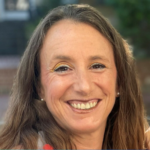
Jodi Grant
Jodi Grant has spent two decades making afterschool and summer learning a national priority. As Executive Director of the Afterschool Alliance, she has secured billions in federal and state investments, built a network of nearly 30,000 partners, and positioned afterschool and summer learning programs as essential supports for children, families, and communities.

Gigi Antoni
Gigi Antoni leads The Wallace Foundation team responsible for its work on summer learning and after-school system building. Before joining Wallace, Antoni served as president and CEO of Big Thought, a nonprofit that today serves 130,000 of Dallas’s most marginalized young people with school and community-based programming during the school day, after school, and over the summer.
Bret Perkins – Senior Vice President of Community Growth and Economic Development at Comcast
Every entrepreneur that takes that step makes a
statement about taking a risk on themselves.
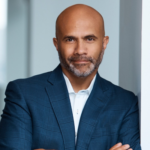
Bret Perkins
Bret Perkins serves as Senior Vice President of Community Growth and Economic Development. He shapes and advances Comcast’s economic development efforts in partnership with government and business organizations to support investment, drive business growth, and strengthen regional economies. Bret joined Comcast in 2001 and most recently was Senior Vice President of External and Government Affairs, guiding the company’s growth from 2,500 to serving more than 6,000 communities. He helped create Internet Essentials, which has become the nation’s largest and most comprehensive internet adoption program for low-income Americans.