

12 Nov November 13, 2026 – Go Getter Shinjini Das and Process Improvement Dr. Ted Bibbes
01:56 Jim Beach: Very excited to introduce you to a really amazing entrepreneurial woman. Please welcome Shinjini Das to the show. She is the founder and CEO of The Das Media Group. It is a motivational media and personal branding company that helps entrepreneurs, executives. Turn their ideas, expertise, and personal brands into growth for their business. She’s worked with about 150 small businesses and has had an amazing success with them.
02:21 Jim Beach: She’s also been quoted herself in all of the big things, the Wall Street Journal, the Forbes, Inc., Business Insider, all of that. She was featured in Forbes when she started The Das Media Group and has been labeled as one of the top motivational speakers to watch out there. She’s given a lot of time back to other organizations. She has been very active in the Georgia Tech alumni group.
02:48 Jim Beach: And then also she’s been an ambassador to the from the U.S. State Department to go and speak in other countries. Pretty damn impressive. Shinjini, welcome to the show. How are you doing today?
03:00 Shinjini Das: I’m doing well. I’m doing well, just working through, you know, things that come up every day, as you know, in business, but other than that, staying staying balanced.
03:10 Jim Beach: Excellent. I was, uh, looking at the Georgia Tech Alumni Association, I thought something funny. You know, Georgia Tech has so many people that go there and never graduate. You should have an Georgia Tech un-alumni association of people who got kicked out or didn’t make it through. I got asked to leave Georgia Tech. And so there’s a ton of us who only made it through a while.
03:34 Shinjini Das: Yes, the last part of what you said, you said you went there or what did you say at the end?
03:42 Jim Beach: I was asked to leave. So I did go there for a couple of years. Um, the graduate architecture program and then, um, My my entrepreneurship business was going so big that we actually rented the entire building um, the summer uh, before the 96 Olympics and kicked all of the architecture people out of their building and I was the one responsible for that because my entrepreneurial company needed their building in the summer and I could pay more than the architecture department could.
04:12 Jim Beach: And so it was very political. But anyway, great, great school. I wish I had had wherewithal to graduate. So congratulations. Tell us about Das Media Group and who you work with and what you offer them.
04:25 Shinjini Das: Yeah, totally. So, Jim, basically, coming out of Georgia Tech, I was at Deloitte for about 2 years in technology consulting, and I definitely found a zone of personal branding advice that go-getters need, and you know, I’ve been called a go-getter a lot, and even during college, and I started thinking about what that means, and the fact that everybody is a go-getter, and I’ve always had a passion and a skill for branding myself.
04:51 Shinjini Das: And so immediately I got really excited thinking that, oh my gosh, everybody is a go-getter. And if I can help, frankly, everybody build a personal brand that works for them that makes money for them. That is a value added service that just doesn’t really exist. I mean, there’s a lot of people that are left out of the success game, you know, because they just can’t get things to fit together properly.
05:17 Shinjini Das: You know, whether that’s they feel that their race is holding them back or their gender or whatnot, but it’s like if you own all of it. And if you go to where people want you, you will win and you will make money. So, I think that was my imperes, my drive to start this uh 10 years ago.
05:38 Shinjini Das: We just turned 10 last week, so, um, that was the genesis and I’ve really leaned into that now 10 years later, so convert your message to revenue, helping dreamers become go-getters, and then who we work with is a lot of small businesses at this point, a lot of small businesses, a lot of executives who want to build and monetize their personal brands, but we also have a growing just individual, sort of what I like to call, individual go-getter, business.
06:07 Shinjini Das: So you know, you have your resume. You have your LinkedIn, but it’s not really um working for you. It’s not really converting for you, right? Then you come to us and we figure out why and you know, because a lot of people, they get really disappointed. They’re like, I, you know, this is not for me, and they just quit, but it’s like, this strategy is wrong, you know, and and I’m, you know, use my analytical background to say that it’s not you. That’s the problem.
06:39 Shinjini Das: It’s your personal branding strategy that is wrong. So I have instilled hope in a lot of people, a lot of clients, and of course, my follower base of go-getters, you know, we’re, um, what, there’s many, many followers, online, you know, um, 150,000,000 impressions, um, a year and counting. So, we’re reaching a lot of go-getters with this content, even if they don’t become direct clients.
07:02 Jim Beach: Well, I certainly agree that tons of people are go-getters. I don’t know what percent. Maybe 50%, whatever. But I don’t think the other half, whatever percent are go-getters. I think that they’re just not destined to do it. Not everyone is a go-getter, I’m going to argue. What do you say to that?
07:21 Shinjini Das: So what I like to say is you’re a dreamer, if you want to be a go-getter, come to me, right? And so absolutely. Having sent that my messaging online, you know, it is very inclusive. So I do target everybody like they’re a dreamer. Um, so for actually, you, you, uh, you bring up a good point that my status quo is that everybody is a dreamer, right?
07:45 Shinjini Das: But in my language online, because I am running an aspirational brand, I do say go get her a lot, but you’re right. Not everybody is one. And uh and you can’t make them one. You know, you. I’m only working with clients who say they wanna become one. So I think that’s the difference.
08:05 Jim Beach: Okay. Uh. It’s just so interesting. Who has it in them and who doesn’t and whether it can be taught or not? What are the hardest things to teach a potential go-getter? To me, it would seem like giving someone the drive to do it and to work the crazy stupid hours that, you know, some entrepreneurs and go-getters work. Seems can you put that drive in them to work 18 hours a day?
08:31 Shinjini Das: No. No, and this was just a conversation I had with a client yesterday, Jim, that, the first few years, I definitely spent trying to convince certain clients to do that, and oh my gosh, you know, you’re struggling in your job search, your resume and your personal brand, your LinkedIn, nothing is really working. You gotta spend the hours to clean it all up. And I’m realizing that that’s not my job, you know?
08:57 Shinjini Das: So we now only focus on the people that have demonstrated that they already do that, but that their strategy is not working. So that is my sweet spot. You know what I’m saying? Like, I’m no longer fighting with people, you know, saying that you got to work more. You got to, I know, I don’t, you know, you, you can’t teach that.
09:20 Shinjini Das: You can’t teach that, and to your point, there are people who don’t want to do that, and I think I’ve had to respect Jim, that there are some people who don’t want to be a go-getter, and I respect that. You know what I’m saying? Like, but because I’m running what I’m running. My content is for go-getters, and if you’re not one, you’re not one. I mean, you know, not everybody has to like every brand, you know, not every brand caters to everybody, right?
09:50 Shinjini Das: And so I think I’ve chosen who I’m speaking to, um, but you bring up a great point, which is that, no, not everybody is a go-getter and and not everybody wants to be.
10:02 Jim Beach: You know, I wonder about myself. I was very, very, uh, insecure and all of that is a high school student and never thought very much of myself. And I always knew I wanted to do something, but I just never thought that I would have any success. And the, in my mid 20s, I started a business that grew to 89 locations in 600 employees. And in my, by 29, I had done that.
10:28 Jim Beach: And it would have been so easy for it to go the other way in me just to stay in my parents’ basement and live there forever. You know? It’s just, it seems like in my personal life it was such a fine line between loser or successful. Seems to me, though, with you, though, that you just burned success. I mean, you’re, it seems like your attitude is in looking at your resume. You’ve been successful since you were the baby, right?
10:56 Shinjini Das: Yes. No that is true. No, no, that is true. It’s important. Yeah, it’s important to bring that up because because, you know, when I was going through all of it, you know, I just thought this is what I have to do. I gotta go to school. I gotta do this. I think only now when I look back, I realize that getting the president scholarship at Georgia Tech is a top one% thing.
11:24 Shinjini Das: I mean, you, you have to be at the top one% of Georgia Tech, not of the, well, I mean, all of the tech admitted class to get that marriage scholarship and then there was a rating at the time. Now it’s a little bit different, that you had to interview for what level of the scholarship you want, and so there were a couple of different levels, and I got the second tier of all of them.
11:51 Shinjini Das: You know, so yes, I mean, I think looking back, I do have to acknowledge that I was exceptional. Having said that when I was on the journey, you know, I just wanted to do my best, right? Just as everybody does. And so I never maybe took time to think, and oh my God, everything is just really exceptional. But yes, now when I’m competing at a global level. I’m on LinkedIn. You know, talking to people all over the world.
12:20 Shinjini Das: I do have to make these things clear. You know, I was the Georgia Tech undergraduate commencement speaker at the time, one of the only women, one of the only non-white women. That’s a big deal 10 years ago, 12 years ago, you know, and people work hard and never get that stuff. So I think, yes, now I do acknowledge that, and as a result, you know, where I’m trying to get my business to go. I’m trying to continue on the same trajectory.
12:50 Shinjini Das: You know, that, yeah, to get in Wall Street Journal on 4 of them. People try for that for a long time and it still doesn’t happen. You know what I’m saying? So I think I do have to acknowledge.
13:04 Shinjini Das: Oh, obviously God’s role, um, you know, God’s vision for my life, but, but also my own sort of ability and, uh, you know, talent and, you know, because, yeah, I mean, you know, this, the market determines who you are, but you also have to tell people who you are, you know? And so now, I’m dealing with a lot of people who don’t know me personally, right? Who’ve never met me and say, yes, on LinkedIn and all.
13:31 Shinjini Das: I do have to, um, let people know because, you know, if you’re from a certain background that does mean certain things. And so um, yeah, thank you for noticing.
13:42 Jim Beach: Do that without becoming the witchy woman or the pushy woman or the a-hole man that’s just always talking about themselves and bragging?
13:50 Shinjini Das: Right. Right, now it’s a good question. So I think with every go-getter that I’ve advised in private, you know, client situations and all, because we talk about this a lot, especially executives who don’t want to brag too much and all that. I say, you know, just storytell your journey, right? And I just did this yesterday, right, that this week, it was a conversation in Atlanta with, you know, 8 and 9 figure founders. I’m not telling you where I stand in any of that.
14:21 Shinjini Das: I’m just saying that I was in a conference with 8 and 9 figure founders, so it actually becomes a story and a, and a journey and oh my gosh, like, I’m an immigrant. I come from nothing. And so that was my post yesterday, right? So people lean into and buy the story, not so much the accomplishments and where you are today, right?
14:43 Shinjini Das: So I think that’s the advice that I give all my clients is that talk about the facts, talk about your story, your journey, you know, what you learn, even with you, you’re saying, okay, growing up, you’re insecure. I mean, you built this big business and, you know, to me, that’s inspiring. That’s actually not bragging, right?
15:04 Shinjini Das: And so, I think it’s about how you do it, and that is something that I teach my clients, you know, is how do you tell that personal branding story in a way that is sort of inspiring and humbling and, um, you know, um, sort of, uh, energizing and and not, uh, put someone off because you’re right. You don’t want to brag and you don’t want to, you know, and also with social media. Now everybody wants to look relatable.
15:32 Shinjini Das: Everybody wants to look, um, semi aspirational, but also someone that people can connect with. You, you don’t want to be so far up that no one, you know, can relate to you and nobody wants that. No brand wants that, right? And so I think I’ve just tried to walk that line and I’m teaching others, you know, how to walk that line like a go-getter.
15:56 Jim Beach: Very, very impressive. How big is the company, whatever you’re willing to share with us in terms of, I don’t know, whatever. How big has the company gotten?
16:06 Shinjini Das: Yeah, so I will say this, um, 10 years in, a lot of the initial few years was about establishing my voice online was about becoming a paid motivational speaker. Um, so again, I have this big speaking background, public speaking, motivational speaking, but you know this, going from amateur to pro, uh, is a is a huge step, you know, and again, many people don’t even make that step.
16:30 Shinjini Das: So all this to say, um, I don’t think the focus was ever on sort of the financials or the revenue or how many campuses. Am I speaking at? You know, is it 200 speaking engagements a year and how many clients and how, I just, I didn’t operate like that for the longest time, Jim, I was trying to learn. I was trying to learn the market. I was trying to, um, build a product market fit with myself.
16:58 Shinjini Das: You know, as I’m going to use different campuses, 5 secrets of a go-getter, and you know, as an Indian immigrant. I mean, 10, 12 years ago, there was really no one like me doing this, there is still not now, but then even getting on campus was such a big struggle, you know, signing with an agency, all of that, because, you know, if there’s no place for you, how do you build a business, you know, so all this to say, I think God has been very kind in letting me, you know, be in the background for a little bit, just building up a market, um, but you know, to build a market and to monetize the market is very difficult to do at the same time, so all this to say, today.
17:46 Shinjini Das: Um, what I can share is we are on a very strong trajectory, revenue wise, um, uh, team wise, you know, I’ve always had sort of a contracting situation or a freelance situation, so I’m sticking to that model also because now things have changed. I mean, people don’t want to necessarily work for you full time, you know.
18:07 Shinjini Das: So when we get there, we’ll get there if I decide to have full time hires, but for the most part, um, everybody’s kind of on that contracting basis, and uh, again, the, the projections look really, really good in terms of small businesses that want help converting their messaging to revenue, as well as uh, coaching programs.
18:28 Shinjini Das: So those are my services offerings for personal branding, um, and then we’re really pivoting in the more of that digital product scene, uh, hopefully next year, Jim, in terms of, you know, the go-getter guide to, you know, how to stay positive.
18:42 Shinjini Das: You know, the 30 day, you know, meditation guide for go-getters or whatever, you know, all that stuff is stuff that I’ve wanted to do, um, but I’ve just had to spend a very, very long time gym building up my market, um, which I don’t know if everybody has to do. Sometimes people come into the market and there’s all already, you know, an available market. For me, it was like, wait, who are you?
19:08 Shinjini Das: Because, you know, in America it’s like, okay, you’re not white, you’re not black. You’re not like, you know, what are you? What? So, there was a lot of confusion about me, and also everything that I’m doing is a little bit different in terms of, you know, personal branding, how to be a go-getter. So, I don’t think people understood a lot of that even 6 years ago.
19:33 Shinjini Das: So, the monetization has been slow and steady, but again, now we’re in a very, very good spot and scaling very, very well. So at this point. Well, I can tell you this, we’re taking on about 10 to 12 private clients at a time, um, in terms of small businesses, um, and they are all on retainers.
19:54 Shinjini Das: So I think that is a very nice, um, you know, a future for us, and then, you know, we’ll get into building a cold funnel for advertising so that we can, um, land more of those people, and then I have to hire a delivery team, and then we will be hiring a sales team shortly. So, yeah, you’re catching me in a in a very strong upward trajectory.
20:17 Shinjini Das: Um, it’s taken some time to get here, but, you know, if you start and you’re early, you know, what are you gonna do? So that was my story.
20:28 Jim Beach: How are you getting the word out? You mentioned social and I know you have like 65,000 on just LinkedIn alone, which is huge on LinkedIn. What have you done? On LinkedIn, off of LinkedIn, and then off of social media altogether, what non-social media things have you done for marketing? So like 3 questions. Go.
20:48 Shinjini Das: Yeah, yeah, yeah. No, thank you. That’s a good question. So I would say on LinkedIn, it’s a lot of storytelling and, you know, people who’ve been following me now, Jim, they’ve been following me from the time. Honestly, I was 18. I was 18 when I started on the platform. So I think it is about storytelling. It is about your journey. It is about, you know, starting the business. You know, your fear is what’s holding you back, what you’re not sure about, and also lessens.
21:18 Shinjini Das: I’ve always had lessons along the way, a go-getter does this and go get us things like this, a go-getter gets through interviews like this. So I think that’s always been very helpful for my audience and then, of course, just that positive motivation and encouragement. You know, you have 3 interviews this week, you’re an unemployed. Um, you’re gonna go get it, you know, and everybody likes that. And, and also on LinkedIn, there’s just very little of that in terms of encouragement, motivation, positivity.
21:48 Shinjini Das: So, I think that has been really what is working. So I’m just scaling that. I’m just literally scaling what’s working in terms of posting that content every day, uh, or whatever, a couple times a week, um, off LinkedIn. I would say um, every other social media platform, you know, pretty much that has been my calling card.
22:10 Shinjini Das: Uh, so the Instagram, you know, X, um, you know, Facebook, uh, you know, YouTube, a little bit of it back in the day, so, uh, threads now, I’m actually trying to go uh, there, you know, again, posting that motivation, but also how to live, laugh, love, you know, eat like a go-getter, and I think now as my platforms have grown, I’ve really tightened up. You know, what I’m saying, how I’m saying, because you know, you do want to be recognized for something particular.
22:40 Shinjini Das: Um, that’s how you build a very strong personal brand. Now, offline, completely off even just no internet, none of that. You know, I think there’s some very interesting ideas that I’ve explored back in the day that I would love to scale gym, which is sort of the conference setting, right? Um, so where I was on Wednesday, right, with a whole bunch of founders, right, uh, in Atlanta.
23:05 Shinjini Das: So I think that scene is one that I’m very excited to get back into, um, when we talk about the youth market. For example, there’s a lot of campus conferences, you know, for the fraternity, sororities, whatever. So, eventually, I would love to cable at those actually, and, um, you know, tell them about me and my message, and, you know, the goal is to obviously speak at some of those campuses as a motivational speaker. You know, how can kids be go-getters and all of that.
23:36 Shinjini Das: So I think conferences is definitely up my alley. Um, and then something else that’s just not digital at all. I just in person, you know, in person relationships, a lot of dinners, a lot of, you know, um, just intimate gatherings, uh, you know, I think that’s really good for me. But, um, events, you know, Gala’s, um, I already do a little bit of that. I’m on a um board for a school.
24:02 Shinjini Das: Uh, it’s a special needs school, so, you know, we do a lot of fundraising gala as there. So yeah, I think that’s good, and I’m glad you asked because you do need an offline presence, uh, and, you know, that is something that you need.
24:18 Shinjini Das: But moving forward, I definitely see us tabling, uh, uh, select conferences and, you know, events and stuff like that, and I would love to have other people table for me, you know, um, with shirts that say, you know, go get her, and they can, they can share my mission and envision and, you know, spread the gospel, you know, of being a go-getter and how to build your personal brand. But I think that’s it. You know, I think that’s a healthy mix for now, you know.
24:49 Jim Beach: Sounds like a great mix to me. So, do you have a difference between introverted and extroverted clients? Do you have to be an extrovert to end up to be a go- getter?
25:01 Shinjini Das: It’s a great question, Jim, and thank you for asking that. Again, I get a lot of executives, just like, uh, you or maybe even a little bit earlier on the journey, that that’s their number one question, is that I need to publish the. I need to present, you know, I’m a pharma executive. I’m working with someone right now. In India.
25:23 Shinjini Das: He is a pharma executive and he’s like, I want to talk, I want to give talks on, you know, uh the pharma industry in India, especially at all of that. So um, I say that absolutely not. My job is to help you monetize you. So I’m not trying to change people when they come to me. You know, um, if somebody doesn’t want to be on video. I do not force them. We walked with the Red Hat, account executive team a couple years ago.
25:54 Shinjini Das: There were some guys, uh, gym that, uh, didn’t want to be on camera, you know, that didn’t want to post videos and I said, great, we won’t do that. There were other guys that were like, I only do videos. And so then I give them strategies to only post videos about, you know, their conferences and their accounts that they’re selling into and how they’re working through all of that, right?
26:19 Shinjini Das: So my approach is super personalized to every go-getter, um, because my mission is to get you to make money from who you are, not from who I want you to be. I think that defeats the purpose of like why I started all of this, right? Um, so literally today, one guy, he’s trying to, um, get another job. You know, he’s trying to pivot into a different industry. So I told him, I say, you’re really good on the phone, right?
26:48 Shinjini Das: You’re really good at talking, use that. And so instead of doing a digital first strategy, we’re actually helping him implement a phone first strategy because he’s so good on the phone, Jim. Um, so yeah, I think the introvert expert, honestly, I have people that turn on and off and they tell me that, they’re like, if you need me, you know, to turn on and and do a video. I’ll do it, but I don’t want to.
27:16 Shinjini Das: And so for me, then I’m like, let’s not do it. And if you don’t want to, let’s not do it. You know? Um, so I think that you want to answer your question is, is no, you don’t have to be extrovert introvert, but I guess you just have to tell me what you want to do and what you don’t want to do.
27:38 Shinjini Das: You know, there are people who never want to give a speech in their life, and I respect that, you know, if you don’t want to speak even as an executive, then we won’t do that, right?
27:52 Shinjini Das: But I do, let me, let me, let me end with this, if, if things are really holding this guy or girl back, Jim, where it’s like he doesn’t want to speak, he doesn’t want to be on video, he, I will bring that up to be like, Hey, I just, I’m concerned that if we don’t build your brand, your, your presence is going to go down, right, in the company as a, as a page speaker, as all of that, you know?
28:21 Shinjini Das: So I do let my concerns know very clearly, but I’m not trying to force anybody to do anything that they don’t want to do.
28:30 Jim Beach: That is very wise of you. I heard you were willing to play our game the Quick 10.
28:35 Shinjini Das: Yes, Jim.
28:36 Jim Beach: Oh, right. I’m excited. Are you currently sober? We have to ask by state law.
28:42 Shinjini Das: Yes, of course, of course.
28:43 Jim Beach: All right. Do you want to accept the standard wager?
28:46 Shinjini Das: Uh, yes.
28:47 Jim Beach: Excellent. I love it. I love it. All right, number one, your favorite creativity hack.
28:51 Shinjini Das: But your creativity hack is listening to podcast.
28:54 Jim Beach: Number two, favorite bootstrapping trick.
28:55 Shinjini Das: Favorite bootstrapping trick, it is self services.
28:57 Jim Beach: Number three, name your top passions.
28:59 Shinjini Das: Name your top passions.
29:01 Jim Beach: Yes.
29:02 Shinjini Das: Okay, um, honestly, dance, uh, music, um, business.
29:04 Jim Beach: Number four, the first 3 steps in starting a business are….
29:07 Shinjini Das: Build your personal brand, post on LinkedIn with your story, and get your first service clients from LinkedIn. Cilla service that you can monetize today. Number five, the best way to get your first real customer is… Is to build a relationship with them and storytell your journey and connect with them. Build trust and a relationship. Do not ask for money first.
29:27 Jim Beach: Number six, your dreamiest technology is.
29:29 Shinjini Das: My dreamiest technology is my iPhone. I mean, I can’t, I mean, I grew up without this. I mean, I can’t imagine what I have in my hand today. I’m I’m overwhelmed with it.
29:40 Jim Beach: Number seven, best entrepreneurial advice.
29:41 Shinjini Das: Best entrepreneurial advice is build your personal brand and build a media company off of that personal brand and be an influencer led media company.
29:48 Jim Beach: Number eight, worst entrepreneurial mistake.
29:50 Shinjini Das: Worst entrepreneur mistake is spending money that you don’t have on credit.
29:55 Jim Beach: Number nine, favorite entrepreneur and why?
29:56 Shinjini Das: Favorite entrepreneur and why? I think Jessica Alba, because she played business in a whole different industry than what she came up in, and that’s actually my story. So I was in engineering, I was in technology, and then I pivoted to media, which, frankly, I knew nothing about, but it was super inspiring. I saw her in person at the Forbes Summit, and just the fact that she completely learned a new industry, and was able to deliver without losing who she is and what her strengths are.
30:24 Shinjini Das: I, I really admire that, and that’s something that I’m, you know, doing, of course, also being a woman in a very male dominated space, which media is also, so, um, and holding on to what makes her unique as a uh, Hispanic American uh, woman.
30:39 Jim Beach: Number 10, favorite superhero.
30:40 Shinjini Das: There’s Wonder Woman, because I just, I need female representation, Jim. I’m just I’m looking for that. I’m hungry for that, you know, and then she just, you know, it’s so, so feminine, so, so beautiful, but also like fierce and firm and gets the job done, so, everything that I want to be.
30:57 Jim Beach: Excellent. Well, we will calculate the score in just a second. I will give that, until then, how do we find out more about you? Follow you online, all of that, please.
31:07 Shinjini Das: Sure, speaker Shinjini. S-P-E-A-K-E-R S-H-I-N-J-I-N-I, on all social media platforms. I want to help you be a go-getter, make that first move to go get your goals here in 2026 as well as 2027.
31:18 Jim Beach: So much. Appreciate you being with us. I’m just waiting Oh, I’ve just been giving your score. Oh, I’m so sorry for you. You got a 94. It’s an excellent score, but I think we had a judge from UGA who didn’t like Georgia Tech. I think that’s what had happened. So I’m very sorry. You have to have a 95 to win. You got a 94. So you owe us a Tesla. We always play for a Tesla. And so I look forward to receiving that. Soon.
31:46 Shinjini Das: Thank you so much. Thank you. Thank you, Jim.
31:49 Jim Beach: Shinjini, thank you so much for being on the show. You were a great guest and we’d love to have you back. Thanks a lot.
31:57 Shinjini Das: Okay, fantastic. Fantastic. Thank you.
31:58 Jim Beach: And we will be right back. We are backing again. Thank you so very much for being with us. I’m very excited to welcome back to the show, Dr. Theodore Bibbes. He was on the show a couple months ago, we were talking about his business and growing it. He is the chief guy at TNB BPM for business process management.
32:38 Jim Beach: He has been really successful there and has just published a new book called Running the Business on Purpose, Manager’s Guide to Lead, Control, and Improve Operations Every Day. Ted, welcome back to the show. How are you doing today?
33:05 Dr. Theodore Bibbes: Doing good, Jim. Thanks for having me back.
33:07 Jim Beach: You know, we have to have like an award on Saturday Night Live. You know, the 5 timer award. We have to do something like that, like a green jacket or something.
33:18 Dr. Theodore Bibbes: Well, good, good, because I’ve had some other work in the process, so maybe over the next year I can get in on that, uh, that status.
33:27 Jim Beach: All right, tell us about the new book. Running the business on purpose. You got this one out pretty quickly.
33:33 Dr. Theodore Bibbes: Uh, I did. Basically, it’s based off of everything I’ve been doing over 30 years in consulting. Um, you know, when I first got into consulting, I, the thing I was taught was, you know, working with frontline supervisors about how to manage their operations, how to do it better, how to really control what was going on and lead their groups to improve. Um, so over the years, I’ve always looked for, you know, the confirmation of what I was being taught by others.
34:01 Dr. Theodore Bibbes: And, uh, never really found it, um, had looked. I’d looked at, um, For YouTube videos. I looked for books that were written, and there was really nothing out there that brought all of this into one place. Uh, so as we talked about, uh, last time I was on with you. We talked about process and that one of my key philosophies is that everything is a process and that includes management.
34:25 Dr. Theodore Bibbes: And that part of that was stems from, you know, what I learned uh, through consulting, and that one of the tenets of what we present is what we call the management operating system, and that’s the basis and the foundation of this book, and how we put it together and everything that’s involved in it. So, uh, when we talk about that, the management operating system is got 4 or, uh, I’m sorry, 6 basic phases.
34:50 Dr. Theodore Bibbes: Uh, there’s forecasting where you’re figuring out, uh, the work that you need to do, uh, how much of it and so forth, the, the planning, how you’re going to then, uh, get the work done that you forecasted. And then assigning that work to meet the plan. And then following up, so you’re measuring it. You’re knowing what’s going on and evaluating then that work. And then reporting against it.
35:13 Dr. Theodore Bibbes: And then you close out that and you make it a loop, a closed loop system, by feeding that information back into the forecast and the plan and the assignment and information. So that basically the management operating system is what the book is about. And I outline all the concepts and the things that you need to do in order to put this into place. It’s not rocket science. But there’s nothing else out there.
35:37 Dr. Theodore Bibbes: Uh, like it that I have found, and so that’s one of the reasons that, you know, I wrote the book. I looked for, for years as to what, is out there. And there really isn’t anything that details out what I’ve put in here, um, and how to do it, and all the pieces and how they fit together.
35:57 Jim Beach: All right. On purpose. Deal with that part of the title. What do you mean on purpose? Is it the same purpose as Simon Sinek?
36:05 Dr. Theodore Bibbes: It is, it’s being intentional. Um, I, I, you know, I, I follow Simon Sinek, uh, a bit, uh, I don’t recall exactly what he says about being on purpose, but my, what I’m meaning is that in order, you need to be intentional about management. Every business has a management operating system. They just don’t know it or it’s not intentional. We, you start a business and especially for, you know, small business owners, they’re doing everything.
36:30 Dr. Theodore Bibbes: They’re, they’re figuring out what they need to do next, what’s going to come up for the next year, how to get the work done and so forth. A lot of it is seat-of-the-pants. And it’s not. Uh, it’s not really done with intention. It’s not really done with forethought. Uh for the most part. Um, you know, it’s the, we do it, you know, it’s business owners, bits and pieces, we do it when we need to. But when I say running the business on purpose.
36:58 Dr. Theodore Bibbes: I mean, with intention that this, these are the phases. These are the things that I need to do. This is how I’m going to do it. And these are the measures and the measures make sense for my business and it tells me what to do and whatnot to do on a daily basis and even in ideally on an hourly basis.
37:20 Jim Beach: And us entrepreneurs have Oh of that, right? I mean, I, I think I was probably in my 10th year of entrepreneurship before I thought about management and what style it was.
37:29 Dr. Theodore Bibbes: Well, that’s more or less true. Uh, I don’t think, um, I wouldn’t apply to everybody. I mean, obviously, you go into your business, uh, more or less with intention. I’ve got this idea. I want to create this business to do this and that. But the management part of it, once you grow and and grow and how you’ve got one or 2 people and things are going well, everybody’s involved. Now I’ve got 10 people.
37:54 Dr. Theodore Bibbes: I’ve got 50 people Uh, and that’s where the, the, what was intention before kind of loses uh, its focus, at least in, it, the way I see it.
38:04 Jim Beach: What do you mean? Intention loses its focus.
38:06 Dr. Theodore Bibbes: Well, the, when you start a business, it’s usually just you, right? You’re you’re getting it done. You’re doing everything. So you are in, you’re intention, you’re doing your, you’re running your business and you’re running your business with your purpose to get it done and you’re doing everything. When I say, you lose focus, you’re losing focus on the management, uh, and it’s probably, Why a lot of entrepreneurs get to that growth stage where they, they’re feeling out of control.
38:34 Dr. Theodore Bibbes: Um, instead of, you know, many very small piles that they’re able to handle all, you know, all the time. Oh, I, I, I need sales. I go out and I do my sales or now I got to do some of the manufacturing, so I go back into the, the plant or I go back into the, uh, the office and get the paperwork done and and so forth. These little piles of everything that we need to do to run a business get done.
39:01 Dr. Theodore Bibbes: It’s very easy when it’s small. Uh, but once it grows and now he goes, oh, I can’t get enough sales or I, you know, to maintain things. So I have to hire somebody to go out and do it. So now you’ve got a sales force, and then you’ve got, now you’ve got, you know, more than 10 people, you need an HR department, you got all these, the HR, um, functionalities, and policies and procedures that need to go into effect.
39:28 Dr. Theodore Bibbes: Uh, and you’ve got also, as things grow, that technology comes into play, and that grows, now you need someone to administer all your tech, and so now that what was easy to manage before, because it was so small, it was just used, the entrepreneur, uh, you, It’s become so big that you don’t see it anymore. You don’t, or it’s more difficult to see. So that’s why I mean, do you kind of lose focus on that.
39:54 Dr. Theodore Bibbes: You haven’t lost focus on what you want to do, I don’t want your businesses, but the management of it all is less, um, Less seeable, I guess, would be a way to say it.
40:06 Jim Beach: Serendipity?
40:06 Dr. Theodore Bibbes: Not sure.
40:07 Jim Beach: Explain that a little bit more, what you mean by that? I don’t know. I’m just thinking back on my time as an entrepreneur and uh, I just think that this was unfortunately for me. And as you pointed out, that’s different from many others, we didn’t think about these sort of things ever, you know, maybe that was a flaw of ours, but we got to 600 employees, but we never sat down and had these conversations at all.
40:32 Dr. Theodore Bibbes: Yeah, and that’s fairly common. Um, and but you know what? It is, it’s not just an entrepreneur and growth scalability issue. I see this in major organizations. Um, You know, one of my previous roles was uh, with uh, large bank out of New York, uh, working in the legal department. And the, the lack of, and there were no, none of this kind of controls the, the intention of managing the department of a legal department in a major bank.
40:58 Dr. Theodore Bibbes: But all the things that had that are described in the book could be applied to it. And so, and that’s what one of the reasons I love about not only what I’ve put together, but that my whole thought process is that it doesn’t matter the size of the organization. It doesn’t matter whether you are, you know, a a 10 person organization or a 200,000 person organization, or a 200,000 person organization. Um, the these all apply across the board at any size.
41:26 Dr. Theodore Bibbes: Um, You know, based on the size, it might take longer to put some of these tools and practices into place, but they all apply. You need to know what the work is. You need to be able to measure against the work and then understand what’s keeping you from doing what you want to do. And that’s what is outlined in the book.
41:47 Jim Beach: Can you give us a couple examples? The barbecue example, maybe, in the auto parts example from the book?
41:54 Dr. Theodore Bibbes: Okay. Uh, these are both uh, examples of.
41:56 Jim Beach: What?
41:57 Dr. Theodore Bibbes: One of the things that the book does not do is it does not tell you to go out and get any kind of technology. Everything that I describe in the book can be done on paper, if you need to. So it’s very technologically agnostic. You don’t need to do a lot. Um, you also don’t need to change anything of what you’re doing. And that’s what these 2 examples talk about.
42:20 Dr. Theodore Bibbes: Uh, the barbecue place is, uh, uh, uh, uh, a company uh, outside of Nashville that I worked with many, many years ago, uh, went in and we kind of did all the steps it talks about. We first identified the processes and what they are and we came up with reasonable expectations of the work. Uh, and that is identifying that work to time relationships. So now we have a reasonable expectation of what it takes to do the work.
42:46 Dr. Theodore Bibbes: And then we started measuring against that work, uh, saying, okay, I need to, I need to cook so many, uh, pork butts or so many chickens or so many, uh, this or that, uh, and how long it takes to do that. And if I, if I didn’t get what I needed to get in the time frame I was looking at. And for instance, you know, think about in terms of widgets, uh, you have you have to make a widget. Widget can be a report.
43:15 Dr. Theodore Bibbes: It can be a chicken butt, it could or a chicken wing. Uh, it can be whatever it is that you, you make or you produce. Uh, but you determine that in order to deliver this, I have to do, you know, 60 every hour. That means I need to get, you know, one every minute. And so you do that, and then 30 minutes later, uh, or 60 minutes later, you see, I only have 30 of them done.
43:41 Dr. Theodore Bibbes: Well, that tells me that, you know, you missed 30 minutes of work for some reason.
43:46 Jim Beach: Um, yeah, it takes twice as long as you thought it did.
43:50 Dr. Theodore Bibbes: That too, you know, so the, but the, the issue is not that work was missed or took longer than expected. The question is why. And why did that happen? And understanding that why? And then reporting back, uh, discussing it and making the fixes, uh, if they are easy and you can do them right away, you do it right away. If you have to make out a plan to address those issues, then you do that and you take the action accordingly.
44:18 Dr. Theodore Bibbes: And that’s what we did at the barbecue place. We went in, defined the work, started measuring against it. We met, uh, you know, working with the frontline supervisors. We met every morning or actually after, uh, between shifts with the the previous, um, supervisors and the incoming supervisors to look at what was done and how often it was done and what was missing and what wasn’t. And just these simple practices and putting all these tools into place. We saw improvement.
44:44 Dr. Theodore Bibbes: We went, uh, and, you know, it takes a little bit of time and, you know, sometimes just if anyone’s going to do this, uh, if any of your listeners are, you know, consultants and start to do this and just know that, uh, if you’re doing it for a larger organization, the, uh, the corporate big wigs who bring people in often expect time frames much shorter than what is actually going to happen.
45:09 Dr. Theodore Bibbes: Uh, and that was our case, you know, we got into it, and after a couple months, we were getting savings, and, you know, in terms of a few $1000 in productivity, uh, a month, uh, and, you know, a little bit more than that, you know, as it started growing and getting better. It wasn’t enough for them at that point.
45:28 Dr. Theodore Bibbes: But the key was that we did see it by the end of it after, I think it was 9 months. Uh, you know, we saw significant changes and those improvements came without having to change anything, without having to bring in new technology, whether it was new equipment or new programs or whatever. It was just them doing what they needed to do, but measuring against it and fixing what needed to be fixed.
45:53 Dr. Theodore Bibbes: And what was very satisfying about this project for me is shortly after I left, when we closed the project, I was still getting reports. And we went from like, 5 or $6000 a month in savings to, I think, a little over $13,000 a month in savings in just very short period after the time. So it doubled. It was just the fact that they kept on it. And then you see this huge spike in what happens.
46:18 Dr. Theodore Bibbes: Um, so, you know, it was very, very good to see. And, and, in fact, um, shortly thereafter, I got a note from the, uh, plant manager, who said they had shipped over a 1,000,000 pallets that year, uh, which was something they had never done before. Uh, just the ability to to ship that many pallets of barbecue stuff, um, which was stuff.
46:39 Jim Beach: Well, yeah, it was….
46:40 Dr. Theodore Bibbes: Exactly. Exactly. Whether it was the sauce or whether it was the frozen pork butts or whatever it was, but it was just, you know, a 1,000,000 pallets and that was a milestone for them. Was never before achievable.
46:53 Jim Beach: Well, that is a big number.
46:55 Dr. Theodore Bibbes: So, Yeah.
46:56 Jim Beach: And the auto parts.
46:57 Dr. Theodore Bibbes: And the auto parts, very similar. This was a place up in, uh, I think it was Fort Wayne in, not Fort Wayne. I’m sorry. It was Fort Erie, Canada. Uh, they made auto parts, uh, chipped all over the world. Uh, you know, again, straightforward and we saw, we looked and working with the supervisors. We defined what the work was. We defined what the measurements were.
47:19 Dr. Theodore Bibbes: Uh, the guys uh, started measuring uh, on an hourly basis for the most part and addressing issues as they came about. And the key thing there was we saw this huge spike, uh, in productivity, where, where we measured productivity, that being, uh, understanding the work to time relationships, of what was expected to be done and what was actually being done. That’s where we measure, and I explain this in the book as to the productivity, not just how much you get done.
47:47 Dr. Theodore Bibbes: The traditional measure of productivity is, uh, and it starts you reported on, you know, for the US on large scales, it’s so many auto parts manufactured a year, right? And so we did more this year than last year. So now we’re, we’re saying that, you know, it’s more productive. Um, but that’s not how I look at it. What explained in the book, when we look at productivity in the book, it’s a percentage of what was expected.
48:13 Dr. Theodore Bibbes: So, if my, and this is the ability, so now I can measure, across different processes within a single organization, and then across different organization. So if one, if organization A says, hey, we’re 95% productive. Uh, and organization B says we’re 85% productive. That percentage is against what they’re expected. That they produce, right? Because organization might have to produce, um, you know, 60 widgets an hour and and organization B might have to do 130 an hour. 2 different things being produced at 2 different rates.
48:42 Dr. Theodore Bibbes: So you can’t necessarily say one is more productive than another, because the work is different. So we look at productivity as a percentage of what was expected against, you know, in terms of hours earned, what was expected against what was actually done. Um, and when we looked at that in that way with the auto parts manufacturer, when we went in, they were, depending on what manufacturing line, we looked at, they were anywhere from the low to mid-30s to the low to mid 40% productivity.
49:10 Dr. Theodore Bibbes: And by time we got done, they were in the upper 60s and low 70s, uh, in terms of productivity and, uh, almost across the board. So, you know, we looked at and can be considered, you know, doubling productivity and reducing, uh, the down, not the down time, reducing, well, reduce some of the downtime, but it’s really reducing the, um, overtime that was being required by doing that. And that was significant.
49:34 Jim Beach: What about AI, Ted, have you had any new thoughts on AI since we spoke last or are you seeing any good news, any bad news? What are your thought?
49:46 Dr. Theodore Bibbes: Yeah, AI is a, uh, it’s top of mind for me. It is actually a lot of what I’m doing in terms of some uh, current reading and research. Uh, it, I think it’s going to be the follow-up uh, book uh, to this one. Uh, because it will, it does impact manufacturing a lot, um, and it does pay impact management a lot. Um, AI, we have to be careful about um, it is, it’s a great thing.
50:17 Dr. Theodore Bibbes: I’ve used it a lot in terms of putting this book together a lot with the editing and very, very helpful. But we also have to be very careful about. Taking ourselves out of the process that we’re trying to improve with AI. Um, you know, we can’t let AI be the decision maker. We have to look at it in terms of, okay, this is great information, but does it make sense? Uh, we have to keep the humans involved in in everything.
50:50 Dr. Theodore Bibbes: Um, So AI is huge and I think it’s going to help us along the way. Uh, but I just I caution us, uh, just everybody to think of it as a solution. It’s not, it’s like any other new technology, it’s a tool. Uh, there’s goods and there’s there’s good and there’s bad to it. Um, we just have to know what we’re doing, take the time and understand, first and foremost, the process that we are trying to incorporate or have this incorporate it into.
51:25 Dr. Theodore Bibbes: So you got to know what you’re doing before you bring in the technology. Um, and this, you know, goes back to, uh, Jobs has, you know, one of his most famous statements is if you automate, try to automate a process. Uh, you’re either going to enhance the, the, You’re going to enhance and I’m paraphrasing going to enhance the, um, Enhance it. The, uh, oh, I’ve lost it. I sorry.
51:53 Jim Beach: I don’t know that analogy, so I’m trying to help you. I don’t know it.
51:59 Dr. Theodore Bibbes: Yeah, it basically saying if you if you apply technology to a process, you’re going to highlight the, uh, the good things about it, but you’re always, you’re also going to very much highlight the bad things. And I tend to say, if you automate, A bad process, you’re going to just have, you’re automatically going to have a bad process. Uh so if unless you understand your processes and improve them beforehand.
52:28 Dr. Theodore Bibbes: What was good is going to continue to be good, but what is going to be bad is going to get worse.
52:37 Jim Beach: Ted, how do we find a copy of your book, get in touch with you, reach out more, hire you for some business process management?
52:46 Dr. Theodore Bibbes: Yeah, uh, well, you can contact me uh, directly, TNB, or I’m sorry, TNB-I-B-B-E-S, at TNB, bpmconsulting.com, is my email. You can find me on LinkedIn. Contact me through LinkedIn. That’s great way to do it. Go to my website, TNB, BPMconsulting.com. The book is available on Amazon live right now, waiting for reports back. This to how the sales are going. It’s also available.
53:12 Dr. Theodore Bibbes: It should be you should be able to find it on Barnes and Noble on all major booksellers, which was one of the reasons I chose the route I did for publishing. Because it is available just about anywhere you can find it.
53:29 Jim Beach: Thank you so much for being with us and congratulations on the book. I hope it sells well.
53:37 Dr. Theodore Bibbes: Thank you very much. I look forward to hearing from your listeners.
53:41 Jim Beach: We are out of time for today, but we come back. Be safe. Take care. Go make a million dollars and change the destiny of your family for generations to come.
Shinjini Das – CEO of The Das Media Group
My mission is to get you to make money from who you are,
not from who I want you to be.

Shinjini Das
Shinjini Das is the founder and CEO of The Das Media Group, a motivational media and personal branding company that helps entrepreneurs, executives, and organizations turn their ideas, expertise, and personal brands into opportunities for growth. Her work combines motivational content, brand strategy, executive visibility, and digital media with a central philosophy of helping dreamers make the first move toward their goals and become what she calls go-getters. Through The Das Media Group, Shinjini and her team have worked with more than 150 small businesses and executives globally, helping clients strengthen their messaging, develop content, clarify their positioning, and connect their personal brands to business results. Her work includes founder brand audits, executive LinkedIn strategy, brand positioning, content strategy, and personal branding programs designed to help leaders become more visible and create stronger inbound opportunities. Shinjini has also developed a growing personal branding training business serving technology enterprises and professional organizations. Her clients and speaking engagements have included organizations such as Red Hat, Tenable, and Georgia Tech. Her approach focuses on showing executives that personal branding is more than simply building an audience. It is about communicating expertise clearly, establishing authority, developing trust, and creating content that can ultimately contribute to business development and revenue. Alongside her consulting work, Shinjini has built a large motivational media platform under the name @SpeakerShinjini. Her motivational and self development content reaches millions of views annually and focuses on encouraging people to make the first move toward the goals they want to achieve. The Das Media Group has also developed relationships with hundreds of media sponsors supporting its motivational and self development content. Shinjini’s philosophy centers on the concept of the go-getter. To her, a go-getter is not simply someone who has ambition, but someone who takes action rather than waiting for opportunities to appear. That message has become a central part of both her personal brand and The Das Media Group, connecting motivational self development with practical lessons in entrepreneurship, branding, career growth, and business development. Her work has received attention from major media outlets including The Wall Street Journal, Forbes, Inc. Magazine, and Business Insider. She was featured by Forbes early in her entrepreneurial journey after launching The Das Media Group and has been recognized by Yahoo Finance as one of its motivational speakers to watch and by CIO Views Magazine among its disruptive entrepreneurs to watch. She has also been recognized by LinkedIn as a Top Voice in Brand Strategy. As an international speaker, Shinjini has spoken about personal branding, entrepreneurship, digital media, motivation, and the go-getter mindset for audiences in the United States and abroad. Her speaking experience has included programs connected with the U.S. Department of State and U.S. Embassies in Latin America, as well as appearances at educational institutions and business forums. Across these engagements, she focuses on helping people understand how their ideas, stories, and expertise can become meaningful platforms for professional and business growth. Before becoming an entrepreneur and media strategist, Shinjini studied Industrial and Systems Engineering at the Georgia Institute of Technology, where she graduated with honors and was selected as an Undergraduate Commencement Speaker. Her engineering background continues to influence the structured way she approaches branding, strategy, and business growth, combining analytical thinking with storytelling, motivation, and digital communication. Today, Shinjini continues to grow The Das Media Group while expanding her work with executives, entrepreneurs, and technology organizations. Through consulting, personal branding programs, motivational media, and speaking, she helps people move beyond simply having goals and toward taking deliberate action to build visibility, create opportunities, and turn their message into measurable business value.
Dr. Theodore Bibbes – President of TNB BPM Consulting
Every business has a management operating system.
They just don’t know it or it’s not intentional.
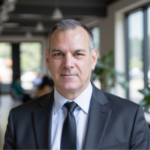
Dr. Theodore N. Bibbes
Dr. Theodore N. Bibbes is the President of TNB BPM Consulting, a business process management and process improvement consulting firm that helps small and midsize organizations improve operational performance through practical, sustainable change. With more than two decades of experience in business process improvement, project management, and organizational transformation, he works collaboratively with executives, managers, and frontline employees to identify inefficiencies, streamline workflows, and create measurable improvements in productivity, customer service, and organizational effectiveness. Before founding TNB BPM Consulting, Dr. Bibbes directed the Process Improvement Program for the Georgia Governor’s Office of Customer Service, where he led Lean process improvement initiatives across state agencies and trained employees in business process management, project management, and change management. His consulting experience spans government, healthcare, higher education, nonprofit organizations, and the private sector, where he has helped clients align operational processes with strategic goals while building internal capabilities to sustain long term success. His leadership philosophy is rooted in a simple principle: everything is a process, and better processes create better outcomes for organizations, employees, and customers alike. Dr. Bibbes earned his Doctorate in Business Administration from Georgia State University, where his research explored the relationship between project management and organizational knowledge creation. A Project Management Professional (PMP), he is passionate about helping organizations solve complex business challenges through process excellence, data driven decision making, and continuous improvement. Through consulting, teaching, and speaking, Dr. Bibbes continues to help leaders transform operational complexity into lasting organizational success.