

15 Mar March 16, 2026 – Born Dead Mikael Avatar, Annuity Association Jeremiah Konger and USAging CEO Sandy Markwood
Transcript
0:04 Intro 1 : Broadcasting from am and FM stations around the country. Welcome to the Small Business Administration award winning school for startups radio where we talk all things small business and entrepreneurship. Now here is your host, the guy that believes anyone can be a successful entrepreneur, because entrepreneurship is not about creativity, risk or passion. Jim Beach,
0:25 Jim Beach : Hello everyone. Welcome to another exciting edition of School for startups radio. If you think you have bad Our first guest is going to make you really reconsider. After that, we’re going to talk about annuities and programs for the aging in the United States. It’s a great show, cram packed with three great guests, and we’re going to go and get started right now. Thanks for being with us. How often do you feel down in the dumps like the entire world is against you? Something in your back hurts and it hurts to get out of bed. I want to introduce you to the person that we all need to think about when we’re having a bad day. His situation is a little bit more difficult than our situation, and he’s still having a great day. So stop complaining and stop bitching. This is going to change your mind on what how you should be acting. Please welcome Mikael avatar to the show. He was born clinically dead 45 minutes without a breath. He had cerebral palsy diagnosis right then, and the doctors wrote that he would be dead, that he was dead for 12 minutes. I think he, at age 10, decided that he was going to change his journey, and he began studying energy and presence and what it takes humans to become alive. 10 years after that, he sailed the Atlantic under the UN flag. He had chronic pain every day, but he kept going. In 1996 here in the Atlanta Olympics, he set a world record for the long jump and used rest as an important part of his training. In 2009 he had his first pain free day after 40 years. It was the 1% method that was born that day, and helps him become pain free. Since then, he has coached some 30. Let me make sure I get the number right. Yeah, 20,000 coaching hours. 300,000 people have heard his message, and now he has gone for 6200 plus days, unbroken days of golden days. We will ask him what that means. He is right now 100% by himself, building the Mikael avatar method app, which will give you 180 days of daily 1% Joy increases. Do you still feel like you deserve to complain. Mikael, welcome to the show. How are you doing today?
3:07 Mikael Avatar : Thank you. I’m doing great introduction to my world.
3:18 Jim Beach : Well, it has been an amazing story. What is a golden day.
3:21 Mikael Avatar : Mikael, golden day is when you woke up in morning. You take a quick five minutes, 20 minutes, to figure out what is the best day I can plan for my goals, my world today, and then after that, you have a plan, then you go out and do it. Many people in the world, good morning. They have a good plan, but they have no action. The action part, this short version of a golden day, unbelievable.
4:07 Jim Beach : How do you stay so happy and wake up happy every day or most days, talk to me about mental attitude, and how you change your mental attitude.
4:19 Mikael Avatar : Okay, I had a client who was raised down in his life. He sat up on the bed and said, day today too. And I said to him, if he should lie to yourself, lie big. What do you mean? Yeah, you are not down bad. You can say, what a fantastic day. And he said to me, really, and he brought me back two weeks later, and you woke up every day for two weeks, what a fantastic day. He. Is only in your head. And if you want to lie to yourself like big I try to bark every day and say to myself, What is fantastic day that’s easy.
5:17 Jim Beach : It’s amazing. Your ability to do that. Tell us about coming to Atlanta for the Olympics. I’m in Atlanta now. I’m a lifelong Atlanta resident, and we sure were proud to host the Olympics. Tell us your story about the Olympics.
5:36 Mikael Avatar : My story about the Olympic it begins when I was 10 years old, and I ran my first 200 meters, and it was down the hill and up the hill, and then I was knocked out totally. My friend tried to pick me up, but it was then I decided I want to go to the Olympics. I started to train and train, read books, and 10 years later, they told me, there is this thing called Paralympic. Then I knew I was going to go to the Paralympics. I turned 10 years for the normal Olympics. So when I came there, I was so focused. So, you know, I met so many people. They were better than I was, but they didn’t have the mental kick, or whatever I should call it to be in the Olympic to achieve something incredible there. So for me, it was really used in other days, because I have prepared so many hours, so many days, and when I came back from there, I knew what I have done. I don’t know it’s it’s a good expression of his experience in Atlanta, 1996
7:19 Jim Beach : And what event did you get the world record in the long jump?
7:24 Mikael Avatar : I broke the world record in the long jump for 98 meters, and it was the world record for nearly 12 years. And then I broke the Paralympic record, and I think I had it for Olympics Paralympics, but I didn’t get the gold medal. Why? Because I was the only in my injury class that qualified and compete with less cerebral palsy, people,
8:12 Jim Beach : That doesn’t sound right. I think you deserve the gold medal. That’s ridiculous. Thank you. And tell me about sailing across the Atlantic Ocean. What an experience. Tell me about that, please.
8:28 Mikael Avatar : Okay, we are in Newport Rhode Island. I think from there we were going on the sailing boat to Europe and votes are the UN flagging. At that time, I was young, wow, shale that I have never said before. Never say laughter. So we went on this boat first. Trip to the air source. In the middle of the climb, we had three storms. One was nearly, or can, I don’t know what it’s called, and we came to the port. There was me posing with a guy who was dying. We had a girl without arms. We had a doctor on the ship with legs. We had a crazy American. We had a chef who cooked in the captain, an American guy. He went home. Incredible experience with girls, teens, sharks, old. All these things you can do when you cross the Atlantic Ocean. It was the first fabled boat over the Atlantic, 1988
10:17 Jim Beach : Wow. And tell me about 2009 in Thailand when you developed your 1% method. What is the 1% method?
10:28 Mikael Avatar : Okay, I came here 2009 on a vacation first, because I had so much pain in your body with muscle reflections all the time, because cerebral palsy is a muscle thing, and you shake all the time, develop pain in your body. Many people with cerebral palsy, they don’t even need to be 50 years old, because they take medicine when they are 40, and then they medicine destroy the organs. I came here 2009 and after five days, I was pain free. I have never experienced that whole my life, and I went back to Sweden, called Sweden, and I got paid back straight away. I decided I moved to Thailand. They sold everything, divorced my wife. She didn’t want to come here, and I started his new life when saw the sun go up, so the sun go down for two years, what I want to do rest of my life, then take this 1% the 1% shift every Day. When you go up in the morning, you focus, what is your 1% today? And then it developed more and more. And now I call it the avatar method, the Mikael Avatar method. It’s a method where you change a little bit every day. I have this app that force you to say you listen to it for 180 days. It’s like you train your brain to develop and so on. Hello. That is amazing.
12:52 Jim Beach : I’m on the app right now the 1% revolution, and it’s an amazing idea that someone who has pain could get rid of the pain. Did you do that entirely with your brain?
13:10 Mikael Avatar : Oh, it came. I wanted to write my third book in my life, and I have all these notes, every notes, and I thought, in diaries and so much stuff. Then I asked, AI, what can I do with this? So I thought, Oh, maybe I will do my apple with these notes every day, like my notes, my original notes, but I give it evidence based how. Where do you need to start? If you start on zero, yeah, probably you can only stop for one minute the next day, maybe two minutes. Except by Step. Change Your Brain. Of it 20 days this happened. 40 happened is evidence based on my notes from my diary in 14 years. Are you mad at God? Not really, not really. We all have our angle of things, and I think I came to this planet to be undercover. If I have had this knowledge, if strange as normal person, they haven’t let me in. But because they have civil policy, i. Come closer to people, be more animal angry people, because they are not scared of me. But if I was the normal person talking like this, it will not I wouldn’t have the same effect, if you know what I mean? I’m not angry at God at all.
15:27 Jim Beach : That is amazing. You have an amazing attitude when you have a coaching client. What are most of your clients, problem or issue that needs to be dealt with? Who do you help the most? What kind of client
15:42 Mikael Avatar : I have the most, they are successful on the eyes. Outside, they have a perfect profile on LinkedIn or whatever. They have newspaper, news, they are in TV or whatever. But inside is something empty, something that needs some attention. And the longer they go with this, the more it goes and it’s like to hide like half life and half deadlines. So I That’s my perfect client. Since I have a former world record, I had done it, and then I started looking but what’s the point of my life? I burned out. I was misled so many times in my life, but now I know where I’m going, what I want to create, and I want to close these type of people that have this effect. We have all the stuff, traveling, car or whatever, again, something empty. And I call it the mask off, because they can use authentic life pool. So I want to give that to people to live authentically within all the things they have, all the knowledge, whoever they are, that’s a typical client of mine.
17:36 Jim Beach : And how long do you work with them? And what do you hope they feel and can improve over the time that they spend with you.
17:46 Mikael Avatar : Okay, I work with them, normally 12 weeks. When I started this, I didn’t know how to shorten the time, sometimes 12 months, but now I developed this 12 week thing. And in the beginning, is a big conflict, but in the end, what I’m sure of, I tell everybody, maybe I can’t help you at all, but I can help you see a different angle from your life. Through my knowledge and through the knowledge that you think you have, you will have a different angle, and that will change the way you act and control your life after these 12 weeks, 100% I have many stories, but this is a short Video. It’s not fitting perfectly now, right?
19:01 Jim Beach : I heard Mikael that you wanted to play our game, the quick 10,
19:07 Mikael Avatar : Absolutely awesome. All right. Are you ready?
19:13 Jim Beach : I’m ready. All right. Number one, your favorite creativity hack,
19:20 Mikael Avatar : One minute of silence before start empty.
19:26 Jim Beach : Number two, favorite bootstrapping trick
19:31 Mikael Avatar : Give before yourself every first.
19:40 Jim Beach : Number three, name your top passions,
19:45 Mikael Avatar : Moment, music, painting, transforming and silence.
19:52 Jim Beach : Number four, the first three steps in starting a business are,
19:59 Mikael Avatar : Find the good. You personally survive, find one person with the same pain, solve it before you change anything. Number five, the
20:15 Jim Beach : Best way to get your first real customer is
20:20 Mikael Avatar : Tell your real story, not your success story. You break down.
20:30 Jim Beach : Number six, your dreamiest technology is
20:35 Mikael Avatar : And up it gives you the first moment of real inner China.
20:45 Jim Beach : Number seven best entrepreneurial advice,
20:50 Mikael Avatar : Don’t build the disease around what you know. Build it around what you survive. Just
21:03 Jim Beach : Number eight, worst entrepreneurial mistake,
21:08 Mikael Avatar : Coaching 1000s of people while wearing the mask I was helping them to remove.
21:18 Jim Beach : Number nine, favorite entrepreneur and why
21:23 Mikael Avatar : Elon Musk? Because he generally doesn’t care what people think that the kind of freedom is very rare,
21:36 Jim Beach : And number 10 favorite superhero
21:41 Mikael Avatar : Before year old. Version of me, doctor said I will never walk, decided to become a mountaineer, climber. Instead, that kid never gave up.
21:57 Jim Beach : I love it and fantastic answers. You get a 100% the first person I’ve ever given 100 Mikael,
22:05 Mikael Avatar : Whoa, thank you so much. Where
22:08 Jim Beach : Can I look at your paintings and your artwork?
22:13 Mikael Avatar : Okay, they are coming on my new website. There is some painting if you go to picture on my Facebook, but I will upgrade my new website with my artist part of my life too. It’s coming soon.
22:36 Jim Beach : Okay? How soon will it be up? Will it be up within a week or so, or after that,
22:49 Jim Beach : And you have written two books, is That true life reset
22:56 Mikael Avatar : Is on Amazon. It’s a TD. PDF, and it will come on my website soon.
23:13 Jim Beach : Okay, well, I’m going to buy the book Life reset, for sure, because I want to support you, but I also want to learn from you so much so in the life reset, you have the five practical steps. Can you give us just the first one to wet our appetite?
23:35 Mikael Avatar : I think the second book that I wrote is before the one on the Amazon. That’s why I call it several. And that first step is to absorb, to observe, where are you really? Most people don’t know where they are. That is one of the biggest thing. You have to understand. Where are you in life, with all the things you have not to be as authentic in life, you have to know where you are. So that’s one of the most important steps to really know, very hard in life.
24:29 Jim Beach : Yes, absolutely critical. Absolutely critical. Mikael, I am blown away by your positivity and your fighting spirit to keep getting better. You are an inspiration for absolutely all of us. Just amazing. You’re an amazing person. Thank you for sharing your story.
24:49 Mikael Avatar : Thank you for being here, thank you for being here.
24:54 Jim Beach : Really, you are always wanting to know about where, what. What URL
25:03 Mikael Avatar : The best is Mikael, avatar.com and it’s Mikael, We came and Avatar, that’s really my real name. I have it in my passport. So Mikael, Avatar does come that’s if you get the most update you get whatever.
25:31 Jim Beach : No, did you when the avatar movie came out? Did you think they were making a movie about you? Kind of trigger? Oh, it’s m, I K, A, E L, and then avatar, M, I K, A, E, O, A, E, L, and then avatar, listener, so Mikael, thank you so much for being with us. You’re an amazing inspiration, and I hope you’ll come back and share more of your story another day.
26:03 Mikael Avatar : Yeah, thank you. You for being here that will be really interesting further down in our lifetime.26:13 Jim Beach : Take care. You too, Mikael, thank you so much, and we will be right back.
26:28 Jim Beach : We are back and again. Thank you so very much for being with us today. Very excited to welcome Jeremiah Conger to the show. He is the CEO of the annuity Association and also Best Easy annuities. He is obviously an annuity educator, speaker and podcaster as well. Probably the best website is nest easy annuities.com he’s had a very successful career and has grown his business really rapidly. It’s been on the Inc 5000 list, number 21 for financial services, which is just incredibly impressive. Jeremiah, welcome to the show. How you doing today? I’m doing well, happy to be here. Likewise, thanks for coming on. So explain what an annuity is for the people who don’t understand that.
27:16 Jeremiah Konger : Yeah, absolutely. And annuity is a financial tool that allows people to either secure a guaranteed income stream in their retirement years or safely grow their nest egg as they enter preservation mode, which is often associated with retirement. Okay?
27:36 Jim Beach : And how does it work? When do you pay in? And then, how does it start paying out? And all those kind of things.
27:42 Jeremiah Konger : Yeah, it’s kind of this follows this. The adage of, you know, the best time to plant a tree was 30 years ago. The second best time is today, or now. The earlier you can start planning for retirement, the better. So typically, someone would be, you know, looking at funding an annuity within 10 years of their retirement date would generally be optimal. And they can up, you know, either invest a lump sum of money, or they can fund one over time. It’s pretty flexible in that regard.
28:15 Jim Beach : All right, so how much do I have to put in to say, Get $5,000 a month when I turn 65 that a question that makes sense for an annuity?
28:24 Jeremiah Konger : Yeah, so generally, people are looking to secure a guaranteed retirement income stream that would supplement their social security and or pensions if they’re blessed to have one. To answer that question, we would need to know a bit more data, but generally, we would reverse engineer that that equation based on the goal for income in your scenario, you you said 5000 a month. And we would need to know a bit more you know regarding your age at the time of opening the annuity, how long you would plan to defer the income stream, and then last but not least, whether or not it’s a single or joint life structure to cover either yourself, only for income and retirement, or if you’re married, you know, do you want it to cover both you and your spouse? But generally, you know you’re going to look at in today’s interest rate environment, payout rate of anywhere depending on the age. So it’s based on actuarial tables and a few other components, but generally, the payout ratios that we see for someone in that age range that you mentioned, you know, we’re going to see anywhere from seven to as high as 10 and a half percent. You know, the older you are, the higher the income payout will be.
29:37 Jim Beach : Okay and give you a
29:42 Jim Beach : Little bit more help than that. So $5,000 I’m 50 years old. How much do I need to spend to get the 5000 at retire? At retirement roughly. Just give us a rough idea. Is that 100,000 1,000,005 million, what?
29:58 Jeremiah Konger : What age would you be to. Earning on the income. What age would be retirement, 70.
30:03 Jim Beach : So we’ll let it have 20 years to percolate, and I plan on, you know, 70. Okay, so
30:09 Jeremiah Konger : You’re 50 today, looking to open an annuity and fund it and then defer it for 20 years, activating the income at 70. Good enough. Let’s go with that. And then we’ll just assume a single life structure.
30:23 Jim Beach : Yep, my wife could deal from with herself.
30:27 Jeremiah Konger : Okay, that actually that’s sometimes common in today’s day and age. You just never know everybody’s different. But to answer the question, down to the penny, so to get 5000 a month guaranteed for your life, assuming you’re 50 years young, turning on income at age 70, when you retire, that would require a premium investment of $168,864
30:51 Jim Beach : 168, how after 70? How long does it pay out, until I die, or only a certain amount of time, as long as you have a pulse. Okay? Well, that certain depends on days, you know, some days I don’t have a pulse, I’m pretty sure. What happens if I die at 71
31:12 Jeremiah Konger : So in these annuity types there, and this is one of the biggest misconceptions of the world, you know, of the word annuity is that a lot of people often think, if you die, the insurance company keeps your money. That is a fallacy. That does not happen in 99% of annuity products out there today, in general, if you died in that scenario, one year into the income stream being received, there would be an account value that’s remaining, which would be based on your initial premium investment that you made at 50, and how that premium investment grew over time. According to the market linked index returns, whatever that value is, at 71, would pass on as a death benefit to your designated beneficiaries, and in often cases, it would also avoid probate.
31:58 Jim Beach : Okay, so it does, doesn’t go away forever. It seems to me that annuities catch a lot of flack, flack a lot of times that there are a lot of people that dislike annuities. Why is that? Why are certain people turned off by that product? So far?
32:15 Jeremiah Konger : Sounds compelling, yeah, and annuities are tools, and when looking at annuities for retirement, it’s the appropriate application of that tool to determine whether or not it you know it was the best thing for that person. And there’s a few reasons why annuities, in general, may receive a bad a bad rap, and that is because a the bias that exists from Wall Street or investment managers that you know are against annuities, but it’s because of how they’re generally compensated in their line of work. You know, they get paid a fee and assets under management fees, so any money that goes into an annuity cannot be charged that assets under management fee. So if that’s how you make your living, you’re generally going to be against something that’s taking away from your income on, you know, from the business perspective, business side of things, right? In addition to that, Wall Street’s just done a banner job over the last three decades, just, you know, for lack of better terms, shunning annuities and saying that they’re bad, just because they want people to continue to be remain in the market, they want people to remain in a vehicle that, again, they’re compensated by. And so there’s a bias that’s again, around that the second part of that taboo, if you will, around the word annuity, is just like anything else out there, there’s good products, there’s average products, there’s bad products, by design that applies to any industry, you know, any consumer good, right? And so sometimes people get put into the wrong product. So again, an inappropriate application of the tool or the product was misrepresented by the agent or advisor that sold it just just because they may have been incentivized by a commission or their upline said, if they sell a lot of this one product, they might win a trip to Mexico. Who knows? But there’s a lot of reasons that that could exist. But like anything out there, it starts with understanding the appropriate application and how it can play a role in your retirement and serve a key role if used appropriately in an optimal way. But there’s a multitude of reasons, but the main reason is just because of Wall Street, the bias that exists and the inappropriate application or positioning of a product. That’s why that exists, and generally as a whole. To another myth, if you will, around the word annuity is that they’re often highly feed. And that’s a load of BS. Most annuities have ZERO FEES. There’s only one annuity type historically that has been notorious for an exorbitant amount of fees and. That is what we call a variable annuity. Generally, there can be anywhere from three to five different fees wrapped into those products. That could be as high as 5% a year. So that’s an annuity that we stay clear of. We don’t advocate for those. But in general, most annuities have ZERO FEES.
35:18 Jim Beach : Okay, very interesting. I grew up in a nice neighborhood, and the lady across from us was, this is Thornton, and believe it or not, her husband owned the concrete company that sort of built Atlanta in the 1910s and 1920s and stuff like that. And he died early of a heart attack, and he had all of his money set up for her in annuities, and it turned out just great for her, because she one she lived to be 98 so I think she probably collected for a long, long time. But also she wasn’t capable of dealing with stocks and bonds and, you know, real estate. You know, a lot of, you know, I think elderly are not able to deal with that kind of stuff. You know, those aren’t things they want to be dealing with. And she had a wonderful life. Was just as happy as could be. She loved knowing that every month she was getting whatever, $10,000 or something, and it gave her a consistency and a peace of mind that I don’t think any other product could have. And she was just it was the perfect product for her. It made her feel very comfortable she knew what was going to happen and lived to be 9998 years old. We should all interview her, shouldn’t we?
36:41 Jeremiah Konger : I would love to. I mean, that’s just a perfect, you know, perfect avatar scenario, right?
36:47 Jim Beach : Well, it is. I mean, that’s, that’s what so struck me about it. It was perfect for her, considering her abilities and limitations. You know, she kind of grew up still when you had an upstairs made in a downstairs maid, you know, and so absolutely, she lived on a one story house, by the way, that’s also a registered Georgia monument, architectural monument, because it was, you know, a beautiful, beautiful house and immaculately decorated and stuff like that. So we always used to go over there. She would give us candy and stuff, as I guess a lot of elder people would, what else do we need to know?
37:31 Jeremiah Konger : What are the can I? Can I speak on that example you gave,
37:35 Jim Beach : This is your time. Jeremiah, do whatever you want, get your banjo out.
37:38 Jeremiah Konger : Yeah, that’s that’s often one of the most ideal scenarios for, again, the appropriate application of an annuity. And oftentimes it can be one that scenario is one that we, as you know men, and I’m not trying to generalize or stereotype anything here, but in general, especially within the baby boomer demographic, it’s very common that the male was typically the breadwinner in some cases or most cases, and also the one more involved in the financial side of the decision making, whereas the spouse, the female or wife, she was more of the traditional role of that generation and doesn’t really care to have involvement in the financial decision. So annuities are perfect for that scenario, because it does a couple things really, really well, in my opinion. Call it bias, if you will. But it does it probably better than any other financial tool out there, and that is how it optimizes the peace of mind for that joint couple, for that married couple, it does a op, an optimization on the future events that we don’t know if or when, or we know they will happen, but we just don’t know when. But a lot of cases that it makes the transition during a surviving spouse mourning their loved one. It provides them the peace of mind and clarity that they don’t have to worry about their income or any investments of how they’re going to get income when that time arrives. And in addition to that, the male in this case, in this scenario, generally a few years older. That’s pretty common in the baby boomer generation. Actuarial tables say the male in that scenario would pass away before the wife, assuming health is equal, right? And they’ll you know that that male, that that husband, gets the peace of mind and clarity that my commitment to my loved one, my wife will be fulfilled of taking care of her even after I’m gone because I don’t, she will never have to worry about where her income comes from. It’s on autopilot and like that’s one of the unsung hero stories of an annuity and the power it can have to provide an optimization. On peace of mind for both spouses now and after they’re gone. And that’s just so powerful when you think of it in that
40:07 Jim Beach : Way, it is. What about the taxes? How does the taxes fit into this?
40:11 Jeremiah Konger : Yeah, so taxes, it’s going to depend on the funds that are used to fund the annuity, whether they’re qualified funds coming from a 401, K or an IRA. Those funds remain tax deferred, and that rollover process while they’re going from the 401 k or IRA into the annuity, and then upon the income distribution starting, that income would be taxed as ordinary income, no different if you were just to withdraw it out of the existing 401 K on the non qualified front, which is defined as funds that have already had taxes paid. So it’s just general savings that you have in your checking account or money market or what have you. Those funds that go into the annuity are taxed based on the distribution, and depending on the annuity type, there’s either either an exclusion ratio that’s applied to where a portion of that income is taxed as ordinary income, which is oftentimes very minimal, or if it’s another annuity type, the income would be taxed based on the gains within the contract. So the gains are taxed first. So the terminology we use is LIFO last in, first out. So any interest that’s been credited last in the account or policy upon income distributions, those gains would be taxable once the gains have been fully taxed out of the policy, then the remaining income is little to no tax after the gains have been taxed, right?
41:42 Jim Beach : That makes sense. Jeremiah, great job of explaining it and clearing up some of the mysteries and misconceptions. Thank you so much for being with us. How do we get in touch find out more and send you some of our money?
41:53 Jeremiah Konger : Yeah, absolutely. So the best place to start your research journey, if you’re new to annuities, would be to go to nest, easy annuities. That’s plural.com, if you’d like to speak to me directly, you can look up, look me up on LinkedIn, just linkedin.com, I believe it’s forward slash. Jeremiah, conjure, K, O, N, G, E R fantastic.
42:13 Jim Beach : Jeremiah, thank you so much, and we’d love to have you back. Thanks a lot.
42:17 Jeremiah Konger : Thank you. Appreciate the time, and we’ll be right back.
42:27 Jim Beach : We are back, and I would like to thank our next guest for being with us. Please welcome Sandy Mark Wood to the show. She is the CEO of us aging. It is an association of 600 plus area agencies on aging. She is an advocate for helping all senior citizens, and in particular, Native Americans, get the food nutrition that they need. Sandy, welcome. How are you doing today? I’m doing well. Thank you for having me My pleasure. How big a problem is this how many seniors are missing meals?
43:04 Sandy Markwood : It is a big problem. Almost 13 million older adults in this country experience food insecurity, and about one in four older adults is malnourished. What this means is these older adults don’t have consistent access to enough nutritious food to live an active and healthy life.
43:25 Jim Beach : Okay, what is the problem? Is it distribution problem, supply problem, money problem. What is the cause of this?
43:34 Sandy Markwood : No, it’s about
43:36 Sandy Markwood : All of the ones that you mentioned. I think the major problem for older adults is, as you know, so many older adults are living on fixed incomes, so the cost of food is an affordability challenge for older adults who don’t drive or have access to public transportation, just getting to a grocery store is a challenge, and also an older adult’s health itself can pose challenges. For instance, mobility issues or cognitive impairment may prevent an older person from shopping for food or cooking, and additionally, health conditions and medications can impact an older adult’s diet and and their appetite. But also social isolation and loneliness can affect eating habits too, especially for the large number of older adults who live alone.
44:29 Jim Beach : What percent are living alone? This is such a hard thing for me to understand, Sandy, because both of my parents and one of my in laws lived with us for the last two years of their lives. We had a huge period of our life where we were three generations in one house. When I was a kid, I remember my grandmother moving into our living room. What percent are having family support the way we are supposed to
44:56 Sandy Markwood : Well at this point, 28% of. Older adults are living alone. So it’s it’s a major issue. Very few families have the situation that you are lucky to have, which is a multi generational family.
45:12 Jim Beach : We loved it, and I look back on those times, those were some of the best times that I’ve had, especially my father, he didn’t want the living room, so he moved into my office, and I would be there all day, and he would be there all day, and we talked and talked and talked, and it was a great time. And so I wish more people would do that. What is the biggest challenge older adults face with eating?
45:34 Sandy Markwood : Well, well, I think, you know, as far as eating, well, it’s, you know, the affordability challenge getting access to healthy foods, fruits, vegetables, you know, the right kind of protein and dairy. You know, there’s way too much access to convenience foods, overly processed foods, which aren’t good for anybody, but particularly for older adults that have health conditions already. So, you know, there’s, there’s a range of issues, but there are solutions out there too. And the area agencies on aging that that we represent nationally, you know, have instituted programs through the National Older Americans Act, community based meal programs that really bring older adults together in places where they’re already gathering, like senior centers or community centers, churches, even in restaurants that partner with area agencies to provide that important, nutritious meal and at that meal site, at that congregate site, they also are providing another opportunity, which is the opportunity to socialize, which is key and critical as well.
46:51 Jim Beach : Yes, they want to tell their stories so they don’t get forgotten, I think, right.
46:56 Sandy Markwood : Additionally, for older adults who can’t go to those congregate meal sites, Area Agencies on Aging provide home delivered meals that are brought to the doorstep of older adults who have difficulty leaving their homes, and these are fresh or ready to heat frozen meals developed by registered dietitians so they’re very nutritious. And some home delivered meal providers also offer medically tailored meals for individuals with health conditions like heart disease and diabetes. These meals are delivered by vetted staff meal providers or community volunteers, as I said, directly to that older adult’s door. But they’re not just delivering that meal. They may be the only person that older adults sees in any given day
47:44 Jim Beach : That’s so sad. What are the home delivery qualifications and cost?
47:51 Mikael Avatar : Well, the cost
47:53 Sandy Markwood : For both the congregate meal program and the home delivered program. These are typically covered by the Federal Older Americans Act which the eligibility for that is to be over the age of 60, but they’re often supplemented by state and local government dollars and private donations as well, as far as the cost for participants, voluntary contributions are encouraged, but they’re not required.
48:23 Jim Beach : Okay, tell me about us aging. The organization. How long has it been active? What are you doing? Exactly? Give me the US aging. Feel sure
48:36 Sandy Markwood : Us aging. We just celebrated our 50th anniversary last summer, and 614 area agencies on aging, and there’s over 250 title six native Native American aging programs that serve Indian elders. And the goal of Area Agencies on Aging is to be able to provide a range of services and supports to help older adults and their caregivers, but primarily targeted to help older adults be able to live well and age well where they want to, which is at home and in the community. So those programs are like the nutrition programs we just talked about, but it could also include medical transportation, caregiver support and other in home care that is needed.
49:25 Jim Beach : Yes, the transportation is one of the key things. I remember taking my dad to the doctor, and it took an extra hour on each side to make that work. If I were going to the doctor, I could do it in two hours with commute with him, it would take four hours because it was just more difficult. He had trouble getting in and out of the car and those sort of issues. So I see that what is the elder care locator?
49:53 Sandy Markwood : Well, the elder care locator is a national information referral service funded by the US administration. For community living and administered by us aging, that can help an older adult or their families connect to area agencies on aging or other organizations in the communities that offer those critical services I just outlined, nutrition, transportation, caregiver support and to contact the elder care locator. It’s pretty easy. You can either call or text 800-677-1116 again, that’s 800-677-1116 to talk to a trained specialist who can help you. Or you can go online at www eldercare.acl.gov or you can also go directly to us Aging’s website@usaging.org, all of those are options to get to the resources you need.
50:53 Jim Beach : All right, impressive group of help. Is this a national problem with a national solution or a local problem. With a local solution, do we do better when we’re doing this locally?
51:07 Sandy Markwood : It’s a national issue. When the statistics I gave you, the 13 million, the one in four, those are national statistics, but the solutions, and the Older Americans Act is a national program, but when you look at the area agencies on aging, they are really targeted to bring those national issues and the national resources down to the community level and uniquely help older adults and caregivers in the communities where they live. So it’s a combination of national and local.
51:42 Jim Beach : How can a 4050, year old who maybe doesn’t have parents in the area help? What can we do to volunteer?
51:52 Sandy Markwood : Go to the Area Agency on Aging. They would love to have volunteers. In fact, most Area Agencies on Aging, their staff is doubled by the number of volunteers that come to support them.
52:04 Jim Beach : All right. What about the holidays? I got to think those are the absolute worst times for someone who’s alone like that.
52:12 Sandy Markwood : You are absolutely right. It is absolutely the hardest time for older adults and and is a time especially where social isolation and loneliness comes into play. But Area Agencies are there, and they partner with other community organizations to be able to provide and to garner the information and supportive services that really help older adults at those critical times. So I you know again, I really encourage all of your listeners to go to the elder care locator and also to find more information about all of the issues that I just have highlighted. You can go to us aging.org backslash Nutrition Month, and all of that information will be provided to you in a fact sheet.
52:59 Jim Beach : Fantastic. And is this month, Senior Nutrition Month.
53:02 Sandy Markwood : March is Senior Nutrition Month. So that’s why we are launching this very important campaign.
53:08 Jim Beach : All right, fantastic. Give us the URL one more time. Sandy, sure
53:12 Sandy Markwood : It is to get the fact sheet. It’s us aging.org backslash Nutrition Month and the 800 number, the 800 number is 800-677-1116
53:27 Jim Beach : Fantastic. Andy, thank you so much for being with us and bringing these issues to our forefront. And I’m glad this is the Senior Nutrition Month. We will air this and hopefully bring some attention to it. So thank you so much for being
53:40 Sandy Markwood : With us. Oh, appreciate it so much. Thank you so much.53:44 Jim Beach : You are very, very welcome. We are out of time for today, but you know what we do? That’s right, we come back tomorrow. Be safe, take care, go, make a million dollars. Bye. Now
Mikael Avatar – Coach, Paralympic World Record Holder, Abstract Artist, Composer, Inner Freedom Architect
Don’t build the business around what you know.
Build it around what you survive.

Mikael Avatar
Mikael Avatar is a coach, speaker, Paralympic world record holder, abstract artist, composer, and creator of The Mikael Avatar Method. Born in Sweden and now based in Thailand, he has built a life and body of work centered on resilience, authenticity, and inner transformation. His story begins with extraordinary odds: he was clinically dead at birth and later told he would never walk, yet he went on to become a world record holder in the long jump at the 1996 Atlanta Paralympics, a record he held for 12 years. That journey of defying limits became the foundation for decades of work helping high performers, entrepreneurs, executives, and leaders reconnect with purpose, energy, and what he calls authentic power. Today, Mikael combines the mindset of an elite athlete, the insight of a seasoned coach, and the soul of an artist. Through his coaching, writing, music, and visual art, he helps people move beyond external success and into deeper personal freedom. His work is rooted in the belief that achievement without inner peace is incomplete, and that real transformation begins when people stop performing a false version of themselves and start living in alignment with who they truly are. Whether he is guiding clients through personal breakthroughs, creating abstract art, or composing music, Mikael’s mission is the same: to help others live with greater truth, joy, and freedom.
In addition to his coaching and speaking, Mikael is developing a multidisciplinary abstract performance art project that blends music, video, theater, and live performance. An early collaboration video with German artist and musician Sacha Alexander von Oertzen can be viewed here: The Mask
You can view his artwork and explore more here: Mikael Avatar Flame Art Page

Jeremiah Konger – CEO of Annuity Association & NestEasy Annuities, Annuity Educator, Speaker, Podcaster
An annuity is a financial tool that allows people to either secure
a guaranteed income stream in their retirement years or safely
grow their nest egg as they enter preservation mode.
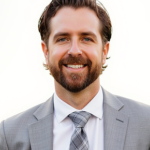
Jeremiah Konger
Jeremiah Konger is founder and CEO of Annuity Association and America’s First Direct to Consumer Annuity Buying platform where my team and I help pre-retirees and retirees make smarter, safer, fully informed decisions about annuities. Our demographic, 50–75yo who want clarity, confidence, and guaranteed income strategies—without the confusion or high-pressure sales tactics that plague the financial industry. We’re 100% independent and product-agnostic, and our mission is simple: educate first, empower always. I’m most proud of the fact that we’ve built one of the fastest-growing annuity education platforms in America – earning a spot on the Inc. 5000 list (#294 overall and #21 in Financial Services)—while staying true to transparency and consumer advocacy. We’re proving you can scale without compromising ethics.
Sandy Markwood – CEO of USAging
The goal of Area Agencies on Aging is to help older adults be able to live
well and age well where they want to, which is at home and in the community.

Sandy Markwood
Sandy Markwood is CEO of USAging, the association representing the national network of 600+ Area Agencies on Aging and advocating for the Title VI Native American Aging Programs. USAging and its members help older adults, people with disabilities and family caregivers live with optimal health, well-being, independence and dignity in their homes and communities. They offer supportive services in a range of critical areas, including elder rights, nutrition, caregiver support and health and wellness. Sandy will talk about the importance of good nutrition for older adults’ health and independence; different meal programs and nutrition services typically available to older adults; and the Eldercare Locator, an information and referral center that helps people find meal and nutrition services in their communities. USAging, the national association representing the network of Area Agencies on Aging, has a new campaign to educate older adults and their families about how vital nutrition is to healthy aging. The campaign provides real and meaningful support to older adults facing inflated prices at grocery stores and lack of access to nutritious food.