
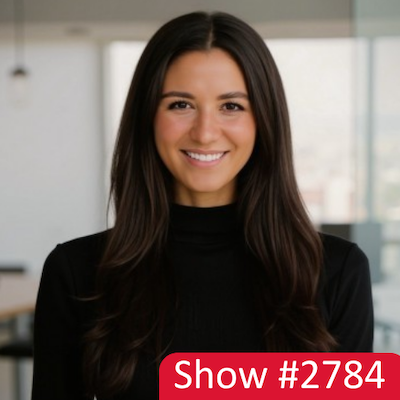
05 May May 6, 2026 – Volition Capital Isabelle Tashima and Greatest Hits Restaurant Star Steve de Haan
Intro 1 0:04
Broadcasting from am and FM stations around the country. Welcome to the Small Business Administration award winning school for startups radio where we talk all things small business and entrepreneurship. Now here is your host, the guy that believes anyone can be a successful entrepreneur, because entrepreneurship is not about creativity, risk or passion. Jim Beach,
Jim Beach 0:26
hello everyone. Welcome to another exciting edition of School for startups radio. I hope you’re having a great day out there making millions of dollars teaching your family that there’s a different model and that they don’t have to follow the path that everyone else tells them about, and just out there having some fun as an entrepreneur, I think that’s one of the best parts of it. Lot more fun, I think, than working for the man got a fantastic show for you today, two incredible stories and two great entrepreneurs that I’m excited for you to meet. First up we have Isabel Tashima. She is with a venture company, venture capital company out of Boston called volition. And Isabel is here today to talk about how it works the entire market, how her particular company works, how to get venture capital out of them, how to get on the career path of becoming a venture capitalist. What kind of money that they give out? Who they give it out to? The interesting thing is, they give it they’re looking for a different niche than almost everyone else. There’s a model or a marketplace, and they’re sort of in the middle where no one else is. And so Isabelle is going to talk about that. And growth equity, we talk a lot about. It’s just a great interview. And I think Isabelle was fantastic, and so I’m excited for you to meet her after that, we have Steve dehan. He is one of our greatest hits. Steve is one of my friends here in Atlanta, and he represents one of the models to grow a restaurant business. Steve started off as a cocktail maker, you know, working at the bar, but he was the very, very high end bars where the waiters would throw the bottles over their head and catch them and all of these tricks. He could do it blindfolded. And listening to him talk about how he learned to do that. It’s amazing. He actually, I think, if my memory, he serves, he came in seventh in the world in the cocktail you know, like Tom Cruise movie cocktail bar tending competitions. Anyway. Now he owns many, many units of amazing bars and restaurants around the south of the United States, and he’s a very popular consultant, and a lot of other businesses are asking him to come and help with their business. I keep trying to get together with him to have a update drink, and he’s almost impossible to get together with these days, because he’s just so damn successful. Anyway, he is one of two business models that we support here on the show. To become a successful restaurant tour, you build up a clientele, get an SBA loan, have a little help from some friends, maybe a little of your own money, and start that way. Or then we have the Joey Tatum, and he’s also been on the show, and we have him also in the greatest hits. Start with $5,000 of Bootstrap, a lot harder, a lot different model. But anyway, two great interviews for you today. Thanks for being with us. We’re gonna get started right now.
Jim Beach 3:41
We are back in again. Very appreciative that you are with us. I’m very excited to introduce another great guest. Please welcome Isabel Toshima to the show. She is with volition capital. They are based in Boston. They are an equity growth equity firm, and they partner with high growth founder owned tech companies. They specialize in software and internet businesses, and they usually invest around 50, or, I’m sorry, five to $50 million maybe they’re backing revenue at that level, we’ll have to ask
Isabelle Tashima 4:16
yes, yes, that’s right.
Jim Beach 4:19
And they have $2 billion under management. Isabel has a very impressive career. She started off working with Goldman Sachs and KKR. KKR is one of the most fascinating companies out there, all the companies they have bought. And then went and got her MBA, and then came and started working with Olis and Isabel. Welcome to the show. How you doing?
Isabelle Tashima 4:43
I’m doing well. Thanks so much for having me. Looking forward to the conversation.
Jim Beach 4:48
Yeah. So you back entrepreneurs in the five to $50 million in revenue rate?
Isabelle Tashima 4:54
Yes, that’s right. We’re typically then writing checks anywhere in the 20 to $70 million Range and come in often as the first significant minority partner. So we say kind of a Series A, Series B, stage,
Jim Beach 5:08
all right? And what kind of company? So internet, obviously, any niche games or financial software. Where you going?
Isabelle Tashima 5:18
We’re generalists across the tech landscape. So enterprise, SaaS tech enabled services, kind of like high volume, scalable Internet businesses, and then a bit of consumer as well,
Jim Beach 5:30
all right? And how do companies get into the process?
Isabelle Tashima 5:37
Yeah, so I think it’s helpful to understand kind of where growth equity plays. I think a lot of founders out there don’t even realize that it’s an option for them. They think of, okay, we know early stage venture and what that looks like. And then they think about an exit, kind of on the PE side of things, and growth equity kind of sits in a specific middle ground. So if you think about early stage venture as high risk, high reward, you’re underwriting potential, often underwriting an idea, and most of the VCs portfolio is expected to fail in exchange for a few very outsized winners. And then on the other end is traditional private equity. So lower risk, more predictable returns. You’re often driving those returns with some combination of leverage and operational changes. It changes in more mature businesses, but where we sit is kind of in the middle. So we’re investing in companies that have already proven out their product market fit. You know, they have customers, they have a product that those customers love, and real revenue, real traction. So the business risk is lower than venture, but we’re coming in earlier than PE. We’re taking a minority stake, and we’re really partnering with the founders, no leverage. We’re not typically taking control, and so our returns are driven by execution and growth. And so the profile is lower risk than early stage venture, but we have that meaningful upside on the back end that’s tied to how well the company actually scales. So usually we’re coming in when a company is looking to raise that their first growth round. So we say in the five to 50 million of revenue range is where those companies typically are. And then we’ll come in with a pretty sizable check.
Jim Beach 7:23
But they didn’t take series A somewhere else, so they bootstrapped all the way to 5 million or 50 million in revenue.
Isabelle Tashima 7:32
Some, yes, some have raised a little bit of outside capital, but we do tend to focus on very capital efficient businesses. So it’s founders that either they’ve bootstrapped along the way and now they’re ready to take on their first outside capital, or maybe they’re looking for some liquidity and to de risk along the way on the path to a much bigger outcome. But the idea is that we’re looking for founders who have done a lot with a little so our sweet spot, really is these, like capital efficient companies that maybe they’ve raised a little bit of seed funding, maybe nothing at all, but now they’re ready to take on kind of their first major outside partner.
Jim Beach 8:13
And you said something interesting, taking some equity off the table. Normally, this kind of a deal, or maybe a series, a doesn’t let founders take equity off the table, right?
Isabelle Tashima 8:27
Yeah, I would say our view on it is, you know, these founders often have their entire lives tied up in their business, and every day it’s the biggest business that they’ve ever run. And so we understand that along the way to a very large outcome, which can often take 10 plus years. Founders might want to take a little bit off the table, and we don’t view it as a bad signal, as long as we’re aligned with, Hey, we’re going to build a big company, a category defining business, and this is going to be a big swing. This isn’t going to be a lifestyle business that chugs along kind of for a small to medium outcome, we’re looking for founders that have big aspirations to be category defining businesses, and as long as we’re lying there, we’re okay with founders taking some chips off the table, because we know often their whole net worth is tied up in the business.
Jim Beach 9:19
So they could maybe take two or 3 million to go buy that first house in the right neighborhood that their social status suggests nowadays.
Isabelle Tashima 9:27
Yes,
Jim Beach 9:30
all right and right. So we’ve had this spectrum that you very skillfully laid out with normal kind of high risk VC on one end, and then fewer equity deals on the other end, right? And so, as you said, most VCs have seven failures and three successes, or one super success in a fund, and do well. L, right. So what is your ratio? Are you trying to have a five out of 10 ratio or a nine out of 10 ratio, since they’re further along and the risk is lower and they already have proven customers, what’s your ratio trying to be at volition
Isabelle Tashima 10:16
when we underwrite a new investment, we think about it as we want to have the 1x downside protection. So we don’t want to lose our capital. We want to be able to at least return what we invested. So we want to feel like there is downside protection. This company is real. It has customers that like it, and they’re solving a problem in the market. And then we think about every investment as having 5x plus upside potential. So could this be a category defining business with an outsized outcome as well? And so the idea is that we’re building a concentrated portfolio. We’re not investing in 50 companies. We’re maybe investing in 15 to 20 companies, and treating each portfolio company as a portfolio of one, because the idea is that we want them all to do well.
Jim Beach 11:02
And you mentioned no control. Do you take a board seat or two? How do you go ahead?
Isabelle Tashima 11:11
Yes, we typically take a board seat, given we are leading the rounds and the check sizes are fairly large, so we take a board seat, and we’re aiming to be that thoughtful partner alongside the company’s next phase of growth. So we want to be helpful in any way that we can. We’re not looking to come in and make changes to what’s already working, but oftentimes it can be helpful for founders to have a sounding board as they work through all of the challenges that the next phase of growth brings, and ultimately navigate and exit somewhere down the line. And so we do take a board seat
Jim Beach 11:49
all right on the other side, right, your volition. What they do is they go and raise money, and then they go and put it in deals, and then hope, hopefully you make more than the stock market or real estate, and then your investors make a 2030, 40% return, right? Can you talk to us about the part of the business where you’re maybe the partners of the business, or whoever I don’t know, goes out and raises fund money and finds investors. Maybe they are family offices, or, you know, large pension funds or something. Can you tell me about that? Isabel,
Isabelle Tashima 12:26
definitely. So every time we raise a new fund, we go out and funds.
Jim Beach 12:31
Do you have now
Isabelle Tashima 12:33
we’re on our fifth fund.
Jim Beach 12:35
Okay,
Isabelle Tashima 12:37
yes. So every time any similar firm goes out and raises capital. They’re raising from LPS limited partners, and those can be a mix of, as you mentioned, family offices, endowments, pension funds. It can pretty much it can. It can range and depending on the end LP and who they are and how much capital they have to allocate, that ends up filling up the fund. And every time you go out and raise a new fund, you’ll have a mix of typically, like existing LPS that were in your prior funds and new LPs. Because the idea is, as you raise additional funds, typically the fund size goes up over time, and so these LPS have specific allocation strategies around what they’re putting into the private markets, the public markets, they have different risk return profiles, and they’re typically allocating their capital depending on their strategy, across some of those different strategies as well.
Jim Beach 13:41
Okay, I’m on your website, and just kind of looking around you’ve been involved in some really cool businesses that I recognize. So for example, chewy and PetSmart. Are those two separate companies? Or is chewy a name for Pet Smart or did you invest in two pet businesses? The
Isabelle Tashima 14:03
company that we invested in and at the time, it was somewhat of a contrarian investment, so all the other investors that the CEO was trying to raise capital from had passed. It was a low gross margin business in a category that at the time was pretty low tech. It was pretty boring. Nobody had really come in and disrupted it, and we saw that potential and underlying their customer cohorts were really loyal, sticky customers that were highly emotional. They cared a lot about their pets and and the underlying cohorts, from a retention standpoint, were very strong. And so we ended up being their first kind of institutional, outside investor. We came in. Obviously that company did extremely well, became kind of that category, defining business, and exited to PetSmart. So that’s probably why you see the PetSmart logo as well. But that was that was the inception of our internet and. Consumer team, which is where I spend most of my time today. And the idea is that we’re looking for kind of scalable, high volume, more transactional in nature businesses, because there are really great outcomes there as well. We also still invest in enterprise software businesses, so we have those two teams that make up the firm.
Jim Beach 15:21
Okay, can you tell us some of the other consumer investments that you’ve already made and made public?
Isabelle Tashima 15:29
Definitely, if you look at our website, we have, it’s a pretty diversified portfolio from an industry standpoint. So we are generalists. We’re looking for the best opportunities across industries, and that will make that’s what makes it exciting about being a part of this firm, is that I’m constantly learning about different industries, different business models. Another company I’m involved with is a company called us mobile. They are An MVNO, and that company has done incredibly well. They are, well they’re doing consumer film plans, and they are, it has been incredibly successful and very amazing to see their trajectory north of 200 million of ARR and continuing to grow with pretty interesting distribution and marketing strategy around really leveraging socials, leveraging community, and building a product with really, really strong technology at its core. So that’s been an awesome one to be able to watch grow.
Jim Beach 16:36
And as you say, watch it grow. What kind of interaction would you have with them? Do you talk to the CEO once a month, or what kind of interaction is there?
Isabelle Tashima 16:49
So we are part of every board meeting, and then in between that, we’re always in constant communication with our founders. We have an operations team we’ve built out here internally that’s very much a pull, not a push, method. So to the extent that our founders want to leverage any of the resources that we have here internally, which could include anything from recruiting to marketing to finance expertise, etc, they can, they can contact us, be looped in with our ops team, and we’re there to help in any way that we can. But we’re, of course, always in constant communication with our founders, but on a more formal basis, we’re at the quarterly board meetings in person, typically, at least you know that occur every quarter,
Jim Beach 17:38
walk us through the process of actually getting an investment and how long that might take. The various stages of due diligence walk us through the process.
Isabelle Tashima 17:49
Typically, it starts with an introductory call, and from there, we get to know the business. Is it a good fit for our mandate? And we’ll typically spend a couple weeks, three to four weeks of business diligence, getting to know the team, taking a closer look at some numbers, understanding the business better, and then from there, assuming that we’re aligned on a term sheet and we move forward with it. It’s about another three to four weeks of confirmatory diligence. So the whole process for us takes, on average, two months, but there’s situations where we’ve moved quicker than that as well, but I’d say that’s the average process on our end.
Jim Beach 18:32
And what do the companies usually do with the money? Is it for a lot of marketing and a lot of growth bring on 20% more talent. It’s a
Isabelle Tashima 18:46
good question. It definitely varies depending on whether it’s primary versus secondary capital, but oftentimes it is growth capital. So it goes toward things like growing the team, building out a sales org, investing in products. But a common use case is often hiring. It’s like these companies are constrained by people, and usually they have a repeatable motion from go to market perspective, and so they know what’s going to happen when they go out and hire more sales reps. So that’s often a pretty common use case, or use of proceeds when we invest, and that’s also part of the reason we’ve built out resources internally on the hiring front to assist our founders in growing their team.
Jim Beach 19:32
How does a person get involved in venture capital? What kind of a career path Have you been on? Isabel, for example.
Isabelle Tashima 19:41
I think that path has shifted probably in the last five ish years. I think it used to be a pretty linear path in terms of you would do a couple years in investment banking, and then you would get the opportunity to move to the buy side and either go into private equity or something like growth equity. Be, and that used to be a very common path that people would take. And I think in the last few years, it’s gotten a lot actually easier to go right into the buy side out of undergrad. And so me, personally, I did a few years in investment banking. I didn’t know exactly what stage of investing I wanted to do, but went to business school, and then one of our managing partners was a guest speaker in one of my classes there, and the philosophy around the fund and the mandate resonated with me, which led me to join the firm. But I think the path of getting into investing growth equity specifically, is now not as linear. There are people that have joined the firm from consulting, people that have joined right out of undergrad, some people that have come from banking, some people that have been entrepreneurs themselves. And I think that’s what makes this job so interesting, is you have people from all different you know, previous career paths, some people that have started their own companies, and especially being here at a firm that values a more contrarian view, it brings in different viewpoints, and we often end up looking at different investments that maybe one person wouldn’t have looked at if they had the exact same background as another person. So the path, all that to say the path is not as linear as I think it used to be to get into this, this industry.
Jim Beach 21:28
What about the overall market right now? So do you think the venture market is active, slow, frothy, depression level? Where is it right now?
Isabelle Tashima 21:41
Honestly, I think this is one of the most exciting times to be both investing and building. Everyone is talking about AI, of course, but it really is reshaping how companies are being built from the ground up. So for us, focusing on capital efficient businesses now we’re seeing super small, high quality teams that are accomplishing what used to require entire departments and the cost of experimentation has dropped, creating essentially a whole new generation of capital efficient companies that are reaching real scale faster, with less capital than they’ve historically needed. So for a firm like ours, where we value capital efficiency and the companies that we partner with, that’s kind of exactly the type of company that we love backing. So with that said, I think the bar is getting higher, and you’re seeing a bifurcation in the market, like the best companies, especially ones that are positioning as AI native or AI enabled, those rounds are getting done very quickly and competitively often on the companies in the on the West Coast, in the Bay Area, whereas simply using AI isn’t really enough to clear that bar anymore. So the companies that are winning the attention and getting rounds done quickly are the ones where AI is meaningfully changing unit economics or the delivery model or the margin profile of the business, not really ones where it’s a feature add on, because that’s kind of table stakes at this point. So it’s definitely, I’d say, a market right now that’s rewarding exceptional companies, especially ones that are truly leveraging AI in a native way. But the ones that aren’t, I think it’s it’s becoming harder to get rounds done,
Jim Beach 23:38
really harder. Okay? And do you call your portfolio companies and say, Guys, we’re doing an AI audit. What are you doing to incorporate AI to bring costs down?
Isabelle Tashima 23:53
It’s definitely a question that we’ve been asking ourselves internally and discussing with our portfolio companies is one, how can we use AI on the back end to become that much more efficient? And we’ve actually had some of our portfolio companies rebuilding what used to be a third party vendor that they were paying 1000s of dollars for and rebuilding it internally with, you know, Claude or vibe, coding it or finding ways to save money on tools that now they can just build. So that’s been a conversation with the portfolio. But it’s also Hey, where are we headed from a product perspective, as AI continues to evolve, where can we layer it in? Where can we make sure that our offering is defensible long term, as AI continues to get make sure that there’s collaboration into a portfolio as well among portfolio companies. So we have ways in which our portfolio companies are sharing best practices, how they’re leveraging it, how they’re thinking about the risks going forward with our other portfolio companies. And we. Think that those are insightful conversations that are helpful, regardless of the industry that a company’s operating in.
Jim Beach 25:07
And how does the macro economy just the normal economy of the United States, which they tell us, is going into recession, and feel like they’ve been telling us that forever, now, for decades. Does a recession slow your business down? Does it slow down the amount of new rounds that you would do? Does it materially affect the portfolio companies?
Isabelle Tashima 25:33
We take a long term approach to our investments, so we’re typically partnered with a company for five to 10 years. Sometimes it’s slightly north of that as well. And so I think we know along the way there’s going to be ups and downs in terms of macro cycles. So that’s something that we think about at the onset of an investment, is macro risk, what this company would look like in a downturn. And we take a pretty long, long approach in terms of time horizon, so ideally it’s smoothed out along the way. But in terms of the broader market right now, we’re not really seeing any slowdown, especially with how quickly things are moving with AI, and how how much companies are able to innovate, and how quickly they’re able to innovate. And so we’re not seeing a slowdown from an innovation or a new opportunity perspective, but in terms of our longer term view, it’s kind of inevitable that there will be ebbs and flows in the broader market, and we hope to invest behind founders that are able to navigate those alongside our our help as well.
Jim Beach 26:40
Fantastic Isabelle, great stuff. You did a fantastic job of presenting all that information, and we appreciate it. And hope you’ll come back and send your portfolio entrepreneurs as well.
Isabelle Tashima 26:53
Awesome. Thanks so much for having me. This is
Jim Beach 26:55
great,
Jim Beach 26:55
and we will be right back.
Jim Beach 26:57
You.
Intro 2 27:17
oh my gosh. I love the opportunity to do this. Thank you, Jim,
Intro 2 27:20
wow, that’s, that’s, that’s a great one. You know, that is a phenomenal question. That’s a great question. And I don’t have a great answer.
Intro 2 27:28
That’s a great question. Oh, that is such a loaded question. And that’s actually a really good question. School for startups radio.
Jim Beach 27:36
And welcome back to school for startups radio again. Thank you so much for being with us today, I hope you’re using today to go start a business, grow a business, just do something productive with your life, set yourself apart. And I’m very excited to introduce you to my first guest who has done exactly that. His name is Steve Dahan, and he started tending bar before he was legal to drink, and pretty soon they ran him out of the city and said, You need to go to the big leagues and move yourself up to Atlanta, because this town is just too small for someone of your talent. And he worked his way up the Atlanta bar scene and became you remember that movie Tom Cruise cocktail where he was flipping the bottles and everything. He actually did that and came in seventh in the world at a Walt Disney global competition in what they call flare cocktails. But he also had a deep passion for making excellent cocktails, not just a gin and tonic, but the perfect gin and tonic, and studying it and buying old books. He actually collects old cocktail menu, recipe books and things like that, and he wanted his own place. About 1213, years ago, he was given the opportunity to become a partial owner at a one restaurant, place called East Andrews, and pretty soon he became the president there. And since then, they have grown it into eight establishments all in the same venue. Again, it’s just like the way Disney would do it. It’s an entire entertainment district in the Buckhead area of Atlanta. And Steve runs the whole thing. And it’s got about 100 employees, 30,000 square feet. It is probably the most successful Bar Restaurant story in the southeast. One of the concepts I heard a rumor is one of the top 10 most profitable bars per foot in the United States. They also have an improv comedy club there. Wow. Steve, pretty damn impressive story. Thanks for being with us today.
Steve de Haan 29:40
Good morning. Jim, thanks for having me on. Yeah, I guess my work here is done. You have dated my life.
Jim Beach 29:51
It’s a pretty impressive introduction. Steve, I mean, that’s a you got to be proud of that success, aren’t you? Yeah.
Steve de Haan 30:00
You know, it’s interesting. I am proud of the opportunities that I’ve created in my life, for my peers, for bringing people, growing people, and for my family, but I really look at this, everything that you just painted as the first chapter of my career, and it’s interesting, moving into my 40s now, you know, looking at and saying, okay, you know, I’ve I’ve cut my teeth, I’ve spent the time learning and developing and creating and crafting, and now what do I want to go do? What is going to be my legacy?
Jim Beach 30:40
Well, I love it, you know, it just makes me think of some of the other famous Atlanta restaurant tours that we have. You know, Longhorn steak, which has 3000 units around the United States, was born two miles away from where your district is, right there on Peachtree with George mccarro. You’re on path to do something like that, Steve, Does that scare you? The fact that people like me are now expecting you to become a household name around the country and own yachts and the Caymans like George does.
Steve de Haan 31:12
I don’t know about the yachts, but what I do aspire to is the success that these individuals have been able to achieve. I remember hearing a story I believe, I believe, when George had one location and here in Atlanta, getting going and moderately successful, and then one of those Atlanta ice storms comes in and shuts down the city, and he manages to stay open through the ice storm, providing food and beverage to you know, Atlanta’s finest, the police, the fire, the emergency workers, the road personnel, and from there, you know, his success is skyrocketed. And you know, couple that with with a great mind and great leadership, now that’s who I aspire to be is someone that that takes lemons and make lemonade and and the whole while is is empowering people around them. Well,
Jim Beach 32:12
you know, I actually remember that ice storm. It was February of 73 and the location you’re referring to is on Peachtree, and we ate there three times during the ice storm, because it was the only place in Atlanta still open. And he did build his career on that. Can you think of one defining moment in your career, Steve, that set you apart, that you know, I’ve been to some of your establishments with you, and gotten, you know, the privilege of being there. And you’ll point out, oh, that person used to be my boss at this place, or I used to work pen to bar with that person back in the day. Something set you apart from those people that they now work for you, whereas 15 years ago, you worked for them. Is there a defining moment then that big change happened?
Steve de Haan 33:02
Yes, yeah. Yeah, it really was a conscious decision on who I wanted to be, what I wanted to accomplish. What I mean by that is I originally went to Georgia Tech to start a study computer science, and I was moderately successful at some of the courses, and really didn’t have a passion for it. And found myself going back to the industry that had paid for accessories and evenings out during high school, you know, going back to the restaurant business. And what I found is that I truly, truly had a passion for it. So one day, I really woke up and made the conscious decision that if I was going to stay in this industry, and I was going to put my life to hospitality and guest service, that I was going to have an uncompromising attitude and quality and trying to be The best at whatever position I was in at that point, when I think I made that decision, I was, I was a server and ultimately I was a server trainer within the month. Two months after that, I was the bar manager, you know, three months after that, I was the head bar center two Jack Fridays. And five months after that, I was here in Atlanta, so the it really has been a conscious decision say, if I’m going to take this life that’s been given and this opportunity has been given me that I need to try and make every second count and make everything as amazing and productive as it can be. And so far, it’s been working out.
Jim Beach 34:40
I love it. I love that attitude, and I think that is the essence of entrepreneurship, is saying I am going to be one of the different people, and I love to see how you’ve done that. But you said something else that interests me, Steve, you said that you have this passion, and I see that in you, you do have a passion for service and for running the. Best Places in town. I, on the other hand, have several businesses that I have zero passion for except that they make money. I do certain businesses because it allows me to support the lifestyle I want of working at home, largely going and picking up my kid at two o’clock from school. Right? Do you look down on me because I do things that I’m not passionate about? And feel free to say, Yes, I’m a scumbag, despicable person
Jim Beach 35:30
because of that answer, honestly,
Steve de Haan 35:32
okay, honestly, no, I think it’s just different personality types. I think that growing up as a boy visiting my grandfather in Minnesota at his Lake House, who was a very successful entrepreneur with five pharmacies, and the conversations I have with him late at night, where he would mentor me on you know, do what you love, you’ll be successful at it. Focus on your happiness first, and everything else will come. Taking that approach has just been something that I’ve held dear. Doesn’t mean there’s other wrong ways. I don’t I don’t believe you’ve made the year. You do these businesses to make money. I don’t believe you’re stepping on people to do that. I know you to be a man of integrity. So that would be the only thing that would cause me to potentially turn and question somebody’s motives, but making making a financial decision to better their life or their family. Now, I completely understand that,
Jim Beach 36:33
but all the gurus, Steve, the people smarter than you and I say that if you’re not passionate, you won’t get up at six in the morning and do the work you won’t work hard if you’re not passionate. Passionate
Steve de Haan 36:45
about money.
Jim Beach 36:47
Okay,
Steve de Haan 36:47
incorrect. You can be passionate about success. You can be passionate about wanting to be able to pick your child up from a baseball game at two in the afternoon. And in order to do that, you need to do X, Y and Z, which may include having a business that you’re not passionate about?
Jim Beach 37:02
Well, I would hope that I’m not passionate about money, because that sounds really horrible. I would like to say, though, that I’m passionate about the freedom, the lifestyle and working for myself, as opposed to having one of those j o b things. Would having a j o b be one of the worst things that you can think of now at this point in your career,
Steve de Haan 37:23
it’s interesting. I I wonder what it would be like. It’s hard to envision whether, whether that would be the greatest curse or the greatest release, because of, you know, every day I wake up and say, you know, I need to better myself and better my company for the people around me. I guess I feel, if I had just a job, that I would show up, I punch in, punch out, and I wouldn’t think about it, you know, at 830 at night or 630 in the morning. And yet, I still choose to run that path and be that entrepreneur, and to make that, make that decision, to try and make it a better, better place for the people around me. But
Jim Beach 38:07
you
Jim Beach 38:07
know, you just mentioned another interesting point. It is a burden to be an entrepreneur, because even when I’m on vacation, my mind is thinking about work. You know, when I’m sitting in the carpool lane. I’m texting about work, right? I have trouble turning it off ever. What about you? Can you turn it off and actually relax or, you know, I can for a little bit, but I still, after an hour, my mind goes back to work. You know, at 11 o’clock at night, I I’m going to be surfing the internet, watching TV with my wife, doing something productive, you have the problem to wear it off
Steve de Haan 38:47
the way I’m going to answer this, you would think of a Gemini. Because I’m split on this. I don’t turn it off necessarily, because I’m excited about it. I’m excited about the next project that’s that’s my hobby. People, you know, some people, you know, ride horses, play golf, whatever. I research cocktails and techniques for my birthday this year. You know, my wife purchased another antique cocktail book, you know, that I’ve been enjoying so, you know, turning off is some is can be difficult, but I don’t I will have been talking about the Gemini side. Conversely, I don’t know I’ve been, I’ve been married for 14 years at this point, and to a wonderful woman and very blessed and her and her family with two beautiful daughters. And somewhere along the way, I learned that I had to turn it off for my family, and sometimes that’s very, very difficult. You know, we’ll go on a beach vacation. It’s probably two or three days in before I can actually catch my breath and feel like I’m on vacation and but it is a conscious. Decision to try and turn it off, more out of respect of the others around me and being involved in in what they’re doing and excited about what they’re doing, I
Jim Beach 40:11
haven’t even given you the opportunity, Steve, to talk about your business. Tell us some of the history of the business, some of the concepts that you have now for people who are not in Atlanta, give them a sense of what the East Andrews entertainment district is all about.
Steve de Haan 40:28
Oh my goodness. So we opened in 2002 and as you mentioned, we’ve grown to 30,000 square feet, which today includes still house craft burgers and moonshine, where we feature our Buckhead burger with a fantastic ground beef, pickled beef, spinach, goat cheese and foie gras, traditional Buckhead fashion. Adjacent to that, we have the solid 56 which is our wine bar and tapas restaurant. It’s one best wine bar several times over the years. And it’s interesting, you know, with with a wine bar in Buckhead, you have this sense of an upscale nature, and it is upscale, by all means, but we still have our servers and genes, because at the end of the day, when you’re in Napa Valley or you’re in France, really, these are farmers making juice. And so we try and have a light hearted, spirited nature about about our wine and enjoyment of life in that in that venue. Also we have Scott, which is our casual softball Dart league pint of Guinness fish and chips, you know, lunch, dinner, late nights, you know, come in and enjoy some great conversation with your friends at any time. You know, where, where everybody knows your name. As cliche as that is. You know, it really is kind of a family, their family of regulars and staff members, adjacent to that we have two and a half years ago become the 24th us location for the improv comedy club. You may remember 80s and evening at the Improv
Jim Beach 42:09
Yep.
Steve de Haan 42:10
So that was founded 50 years ago by Bud Freeman in New York City, and has expanded to now 24 US locations and has been a fantastic endeavor for us both from financially, but also it’s, it’s been just quite a bit of fun. I actually, today I’m booking, book the AX for the improv and and we have Chris Delia this weekend with five sold out shows. We just had, you know, Whitney Cummings two weeks ago, and Kevin Smith and and so to get to know these individuals and see these people, you know, you know, as a as entertainers and as viewers, and that they are in their own field, is there’s been a lot of other fun across the way. We have our ice bar, which has, over 400 vodkas on top 10 vodka bars in America by the USA Today, and features the sushi from Master sushi chef Saito. Saito, classically trained, born Fukushima, Japan, amazing man, great energy, Great Spirit and fantastic food. And then adjacent to that, we have burn Social Club, which is our latest endeavor. We we had Andrews Upstairs there for about 12 years, and thought that we need to refresh and rebrand and really creating a modern day supper club. We have live entertainment, whether it be salsa lessons on Wednesday to wrap pack on Thursday, our high energy house band playing everything from Michael Jackson room five to Tina Turner on Fridays and Saturdays with engaging late night and the fantastic, fantastic dinner menu, amazing cocktail program, our beverage director, Thomas wire, one of the houses that you might enjoy here with the our household fashion is features a smoked ice cube, which in itself is a feat with a fantastic seven year bourbon is an amazing old fashioned. So we’re very proud of that. And then, kind of our crown and our cap has been prohibition, which is our 20s error. Speak Easy. You enter through a antique London red phone booth. You walk in, you’re going to see a hand painted, backlit ceiling lounge, Italian leather sofas. This cigar friendly. We bring in 300 pound black spice by hand. Every juice is squeezed fresh and uncompromising approach to quality and craftsmanship, for the cocktail and for that lounge experience where you can go after dinner with your date, we do serve food close a business deal in there. It’s really been something near and dear to my heart, but once again, I. Been very, very passionate about and so that’s what we’re doing in the in the district. So you know, every night there’s something going on, and we feature some of the nation’s best comedians and amazing entertainment, great cocktails. So yeah, we’re very proud of what we’re
Jim Beach 45:14
doing. You mentioned the improv the and I’ll be very blunt, it’s put other famous comedy clubs in town out of business. There used to be one up in Sandy Springs, close to where I live. That’s gone now, because everyone wants to go to the improv does that. How does that make you feel? Steve,
Steve de Haan 45:37
I guess naive, because I don’t look at it that way, I don’t know.
Jim Beach 45:42
Okay.
Steve de Haan 45:43
I mean, maybe that might, might be some truth to that. What I I don’t know. I don’t I don’t know if that really is true, though, because yes, we came in and we’ve been very successful and but even during the booking process, we would not find ourselves booking the same comedians as the punch line if we were competing for the same which technically we could have been competing for the same comedians to be on our roster and our calendar. But they would, they would typically book some of the older, more established comedians, you know, the marreros and the pit bull comedy, Bobby Slayton, individuals like that, whereas we typically book a little bit younger with the Chris Olis, Anthony jesle, next of the world. And so, you know, that was a punchline, a fantastic comedy club, you know, very, very established, and they had a very, very loyal talent being, you know, good business owner. As as we progressed, you know, we looked and to see how our competition was faring fair to us. And we honestly didn’t see their numbers drop off, at least outwardly, as much, or, you know, any significant amount that would lead you to believe that they close so, you know, I so, you know, there is less competition at the 300 seat room in the city currently. I don’t know, I don’t know, really how much that was me versus what other factors or forces they had internally?
Jim Beach 47:24
Well, I know one thing, I quit going there because the carpet smelled like last month’s beer, and now I would go to your place because it’s cleaner and nicer and so part of why I think that other places have trouble is they get complacent. How are you not going to become complacent, Steve, you’re obsessed with quality. How do you maintain that when you’re George mccaro, rich and famous,
Steve de Haan 47:52
the one of my Steve isms that I walk around with my management team and my trading career and all that is, afraid Disney World clean. I love it. And everybody knows what that is. It’s interesting everybody or, I mean, it seems as if everybody knows that in Disney World, you never find never find a piece of gum, never find litter, trash on the on the ground and and so that’s, that’s where we aspire to. We have ways to grow but, but that’s, that’s where we’re trying to get
Jim Beach 48:30
to. That’s a good standard. One of my favorite stories is Eisner, during his interview to become CEO, was picking up trash during his interview when they were walking around Disney because he knew that that’s what they expected of him. How do you come up with so many different concepts? Steve, it seems like you know, with burn, you took a your number, your oldest place, and took it out and replaced it with a cool new concept, with a hip DJ. How do you do that? How do you come up with czar vodka bar. How do you, you know, look at the landscape and see what you need the most to add to, you know, not only not infringe on any of the other concepts, but make the entire district hip again.
Steve de Haan 49:16
Oh my gosh. Well, I mean, a lot of things go into it. Some of it is, you know, just speaking to different different groups that I know that are out and, you know, influencers and you know, what are they looking for? What do they think is lacking in the Atlanta nightlife being so, that’s part of it, really. It can be anything. I remember czar came from? The inspiration for czar came from walking into a clothing shop and going, Wow, this would make an amazing cocktail bar. So taking inspiration from their color scheme, and then, and then, which then researching the TS over. Extra and the Winter Palace, for example, and the sitting room in the Winter Palace going okay, so you know, how can I apply some of these moldings and these techniques and infuse them and make it, you know, a place where the mod, you know, modern days are would want to relax and enjoy cocktail and enjoy some amazing food and great company. So it really can be anything from, you know, from being a picture to just passionate about cocktail culture and history. So I do believe, you know, at some point you know what’s what’s old is new again. And you know, the idea of going to a supper club and and having dinner and busy the night away, to me, that sounds like a fun night out, you know? So that’s, that’s really where it comes from. I can’t say that. You know, there’s, there’s been some books that I open up and go, Okay, well, now it’s time to do page 32 concept number 14. It’s really just looking at the space and trying to find inspiration and a vision on on how to create, on what’s create next. So I don’t know it’s one of the things that I enjoy most about what I do, quite honestly, is that creativity and development of the concept and thinking not only what does it look and feel like, but how does the experience progress? You know, at burn, you’re going to walk in, you’re going to be greeted by a young lady at a desk, and you know, then from there, there’s going to be a fine maitre d is going to walk you and introduce you to concept on the way to your table, make sure that you’re seated, introduce your to your server. So these are usually sets of service that elevate the experience along the way. And you know, creating each of those as well, to me is that whole concept. So it’s not just the brick wall over here or the illuminated ceiling or the time of okay, what is our maitre d going to explain to you or introduce you? How are you? How are you going to be treated throughout the experience? So what’s your farewell is going to look like?
Jim Beach 52:15
All right, so far, we’re up through chapter one of the book of your life. What is Chapter Two about Steve. What’s next for you?
Steve de Haan 52:25
Well, and I kind of started that and saying, I really feel as if I’ve written a good introduction. I’m very proud of the team and what we’ve accomplished inside the district. You know, now we need to take what we learned, have learned, and and grow, go with young man. So the you know, we have some things in the fire. Really can’t just right now. I don’t want to, I want to jinx them, but some great opportunities that we’re very, very excited about and look forward to expanding and creating more opportunities for our team and more experiences for our guests.
Jim Beach 53:07
Well, fantastic, Steve. Thank you so much for being with us. People can learn more about the district by going to east. Andrews entertainment district.com, is that correct? Did I get that right?
Jim Beach 53:20
Andrews district.com,
Jim Beach 53:22
Andrews district.com Okay, great. Well, congratulations on all your incredible success. It is an amazing story, and I love all of your concepts. So thanks for being with us
Jim Beach 53:33
today.
Steve de Haan 53:34
Thank you for having me great talking to you today.
Jim Beach 53:37
Likewise, we are out of time for today, but thank you so much for being with us. We will be back tomorrow with more great school for startups. Radio, bye. Now go make yourself a millionaire.
Isabelle Tashima – Growth Equity Investor at Volition Capital
The companies that are winning the attention and getting rounds
done quickly are the ones where AI is meaningfully changing unit
economics or the delivery model or the margin profile of the business.

Isabelle Tashima
Isabelle Tashima is a Senior Associate at Volition Capital, a Boston based growth equity firm that partners with founder owned, capital efficient technology companies. At the firm, she focuses on sourcing, evaluating, and executing investments in high growth businesses, typically working with companies generating between $5 million and $50 million in revenue that are positioned to become category leaders. Since its founding in 2010, Volition has managed approximately $2 billion in assets and built a reputation for backing disciplined, high performing entrepreneurs. Prior to joining Volition in 2024, Isabelle worked in investment banking at Goldman Sachs in New York as part of the Cross Markets Group, where she focused on middle market mergers and acquisitions. She further expanded her investing experience during her MBA through time at KKR, gaining exposure to large scale private equity investing and strategic growth initiatives. Isabelle earned her Bachelor of Arts in Economics with a minor in Psychology from Harvard University, where she was a member of the Varsity Women’s Volleyball team. She later received her MBA from MIT Sloan School of Management as an early admit, further strengthening her expertise in finance, strategy, and innovation. Originally from the Chicago area, she maintains an active lifestyle outside of work, with interests that include skiing, scuba diving, travel, and exploring new food destinations.
Steve de Haan – Former President and Founder of Andrews Entertainment District
It really was a conscious decision on who I wanted to be,
what I wanted to accomplish.

Steve de Haan
Steve de Haan worked at a Little Caesar’s Pizza in high school, and by graduation, he had advanced to being assistant manager. He became bar manager of a TGI Fridays before he could legally drink. His regional manager told him he “had learned as much as you’re going to learn here,” so the following weekend, he drove to Atlanta and walked into The Tavern at Phipps, which had just been on the cover of the Hudspeth Report. He put on a whole Tom Cruise “Cocktail” show for them. Within one year, the bar had doubled their revenue. Soon, Steve was recognized in the premiere issue of Jezebel Magazine as one of the top bartenders in Atlanta. He was invited to attend the Skyy Vodka Quest World Bartending Competition at Disney World. Steve placed seventh in the world as a “flair” bartender and won the state of Georgia title three times. When Steve was 29 years old, he was approached about becoming the beverage partner for a new property to open in Atlanta. Completely under-funded and totally naive, he said, “Okay, let’s do this.” He emptied his bank account to fund the initial deposit on the lease and later secured the funding through a friend of a friend, and soon became President. The company has been a debt-free company and growing organically for 12 years, including 8 bars and restaurant and has won national awards like the USA Today Top Ten Bar in the US.